Rep. Mike Collins Wins Georgia GOP Runoff in Senate Race
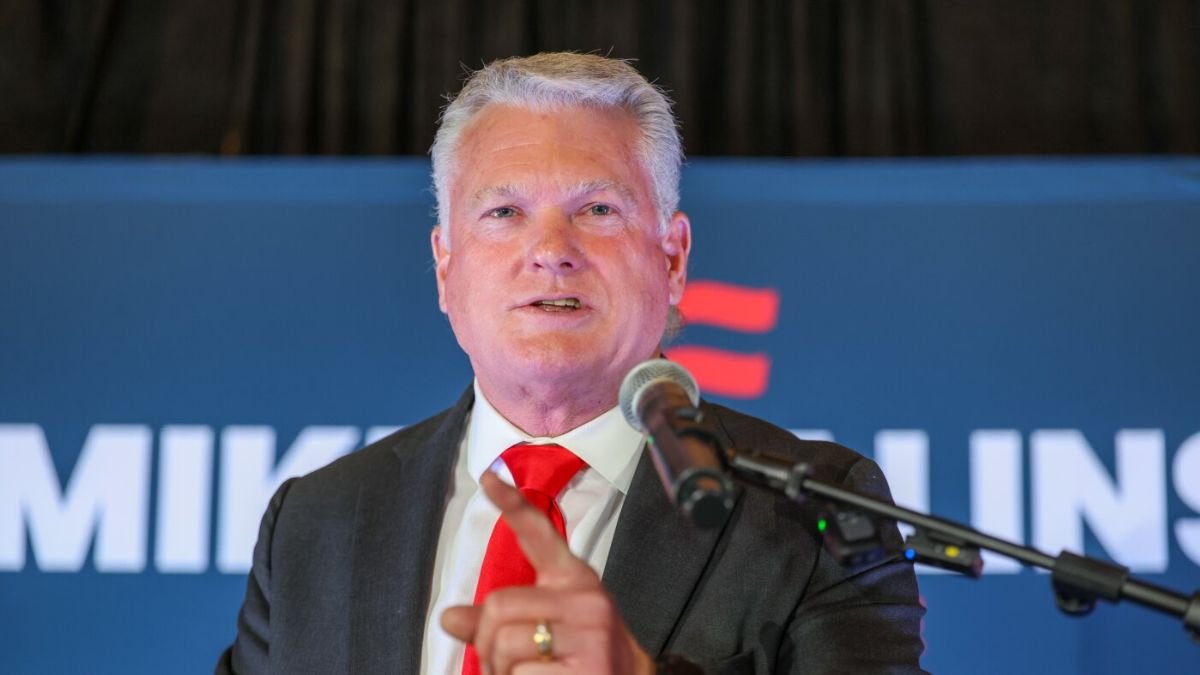
Rep. Mike Collins has won the Republican Senate runoff in Georgia, according to a projection from NBC News, officially setting the stage for a major general election battle against Democratic Sen. Jon Ossoff.
The Georgia Senate race is expected to become one of the most closely watched and expensive contests in the country, with both parties viewing the seat as crucial to the fight for control of the U.S. Senate.
Collins Defeats Derek Dooley in GOP Runoff
Collins defeated former college football coach Derek Dooley in the Republican runoff. The victory also marks a political win for President Donald Trump, who endorsed Collins only days before the runoff election.
Dooley, meanwhile, had the support of Republican Gov. Brian Kemp, who campaigned aggressively on his behalf. Kemp argued that Republicans needed an outsider candidate to beat Ossoff in November.
The runoff was triggered after no candidate secured a majority in the May 19 Republican primary.
Jon Ossoff Prepares for a Tough Re-Election Fight
While Republicans battled through the primary and runoff, Ossoff has been preparing for what is likely to be a highly competitive campaign.
Ossoff is the only Democratic senator seeking re-election in a state that Trump won in 2024. That makes Georgia a must-win contest for Democrats, who are aiming for a net gain of four seats to regain control of the Senate.
Ossoff first won his Senate seat in a runoff after the 2020 election, defeating Republican Sen. David Perdue in January 2021 by just over one percentage point. That victory helped Democrats capture the Senate majority at the time.
Collins Campaigns as a Strong Trump Ally
Collins, who was first elected to the House in 2022, has positioned himself as a firm supporter of Trump and the America First agenda. During a recent debate, he described himself as a “conservative workhorse.”
He has already started sharpening his message against Ossoff. At a rally in Cumming before the runoff, Collins argued that Ossoff does not represent Georgia or reflect the state’s values. He also attacked Ossoff’s background, claiming the senator had never held what Collins called a real job and suggesting he was backed by liberal donors from states such as California and New York.
Ossoff has also begun attacking Collins, recently saying that Collins is only in Congress because his father had previously served as a congressman.
Laken Riley Act Becomes a Key Campaign Point
Collins has frequently highlighted his support for Trump and his role in authoring the Laken Riley Act, an immigration detention measure named after a Georgia nursing student killed by a Venezuelan man who entered the United States illegally.
The bill became the first legislation Trump signed into law during his second term. It also received some bipartisan support, including from Ossoff.
Collins represents a heavily Republican district and has maintained a consistently conservative profile. When asked last month whether he disagreed with any action Trump had taken during his second term, Collins joked that the only disagreement was over how many hours of sleep a person needs to function, noting that Trump gets very little sleep.
Collins said he ran on Trump’s policies, the America First platform, and what he believes those policies can do for the country.
Economy and High Costs Enter the Race
At a rally Monday night, Collins was asked about voter concerns over rising costs and Trump’s handling of the economy. He suggested that economic conditions would improve soon.
Referring to an agreement aimed at ending the war with Iran, which had contributed to higher gas prices, Collins said it appeared the Iran deal was complete. He later added that while gas prices remained too high, he expected them to begin falling soon.
Ethics Probe and Campaign Controversies
Ossoff has signaled that he plans to focus on a House Ethics Committee investigation involving Collins. The probe is looking into whether Collins misused congressional funds by allegedly paying a former aide for campaign-related work and employing the aide’s girlfriend despite claims she did not perform official duties.
Collins has dismissed the allegations as false.
The former aide, Brandon Phillips, who served as Collins’ chief of staff, was removed from both the campaign and congressional office after posting a disparaging message from Collins’ campaign account on X.
At Collins’ Monday rally, a supporter asked how he planned to respond to the issues that had appeared repeatedly in campaign ads from Dooley and his allies, including the ethics probe and Phillips controversy. Collins responded that he believed he could still win and said his real opponent was Ossoff.
Collins Predicts Republican Unity
Although the GOP primary battle became negative, Collins expressed confidence that Republicans would come together after the runoff.
He said Republicans often have intense primaries but ultimately unite because they share the same goal: putting a Republican in the U.S. Senate seat.
Georgia Remains a Major Battleground
Georgia has become one of the most competitive political states in the country. Trump won Georgia by only 2 percentage points in 2024, while Joe Biden carried the state by less than half a point in 2020.
That narrow history makes the Collins-Ossoff race one of the most important Senate contests of the cycle.
Spending Expected to Soar
The race is already attracting major outside spending. The two leading super PACs involved in Senate campaigns have pledged a combined $64 million for the Georgia contest, and that number could grow significantly as the election gets closer.
Ossoff currently holds a major financial advantage at the candidate level. His campaign has raised more than $80 million and had $32 million available as of April 29, according to his most recent campaign finance report.
Collins, who was required to file a more recent fundraising report because of the runoff, has raised $4.9 million and had $1.2 million in his campaign account as of May 27.
Ossoff Says He Is Ready for November
Ossoff has projected confidence about the general election, saying he believed he could defeat either Republican candidate. At a recent rally, he characterized both Collins and Dooley as corrupt political insiders and accused them of being pro-war, pro-tariff, supportive of healthcare cuts, and loyal to Trump.
Now that Collins has won the runoff, Georgia voters are set for a high-profile Senate matchup that could help determine which party controls the chamber.
Mike Collins’ runoff victory gives Republicans their nominee for one of the most consequential Senate races in the country. Backed by Trump and running on a strongly conservative message, Collins will now face Jon Ossoff in a state known for extremely close elections. With major fundraising, outside spending, economic concerns, ethics attacks, and national Senate control all in play, the Georgia Senate race is expected to remain a central focus through November.