Two People Injured After Plane Crashes in White County Field
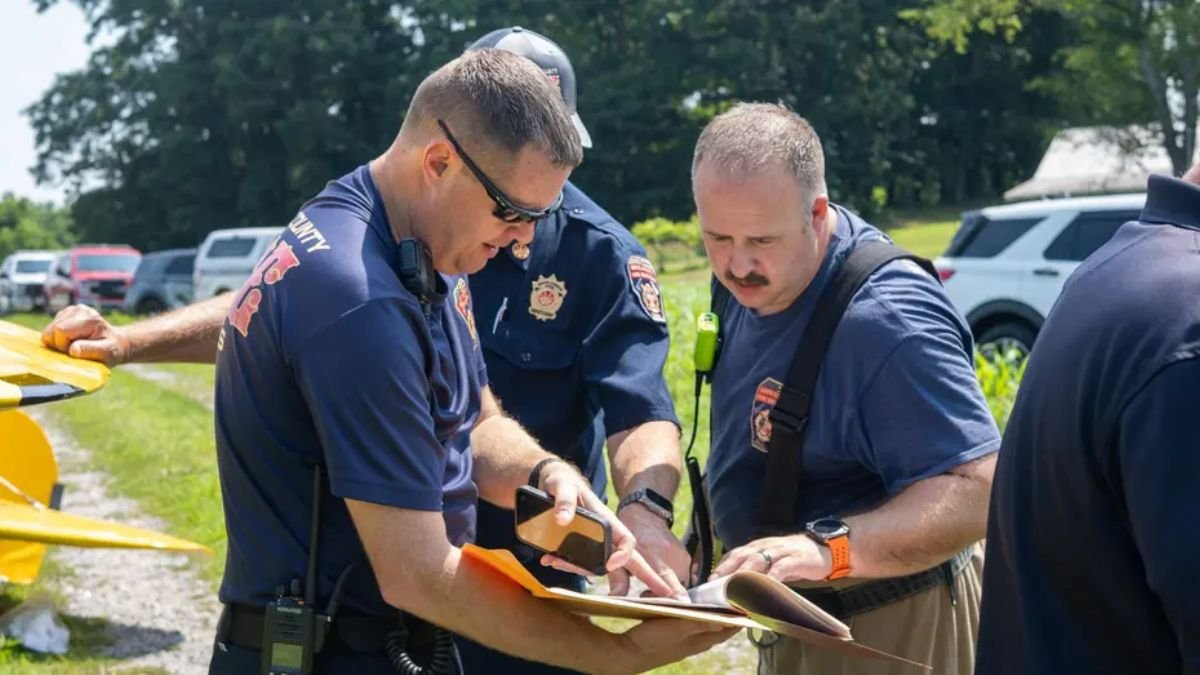
Two people were injured Friday morning after a small aircraft crashed in a field in White County, Georgia, officials said.
According to White County Public Safety, the crash happened along Black Road near Hampton Hills Lane on June 26, 2026.
Emergency Crews Respond to Crash Scene
White County 911 received the crash report at approximately 10:47 a.m.
First responders from White County Fire Services, White County EMS, White County Emergency Management and the White County Sheriff’s Office were sent to the scene.
When crews arrived, they found a small aircraft in a nearby field.
Aircraft Identified as Boeing PT-17
Officials identified the plane as a Boeing PT-17.
The aircraft had reportedly taken off from Mountain Airpark in Cleveland before the crash occurred.
Two people were inside the plane at the time of the incident. Both occupants were injured and evaluated at the scene by emergency medical personnel.
Injured Occupants Taken to Hospital
The two injured occupants were transported by White County EMS to Northeast Georgia Medical Center in Gainesville for additional treatment.
Officials did not immediately release further details about the extent of their injuries.
FAA to Lead Investigation
The Federal Aviation Administration and the Georgia Emergency Management and Homeland Security Agency were notified after the crash.
White County Public Safety PIO Bryce Barrett said the FAA responded to the scene and will lead the investigation into what caused the aircraft to go down.
A small Boeing PT-17 crashed Friday morning in a White County field after departing from Mountain Airpark in Cleveland. Two people aboard the aircraft were injured and taken to Northeast Georgia Medical Center for treatment. The FAA is now investigating the cause of the crash.
Lawmakers From Georgia Seek ICE Response on Disability Treatment Concerns
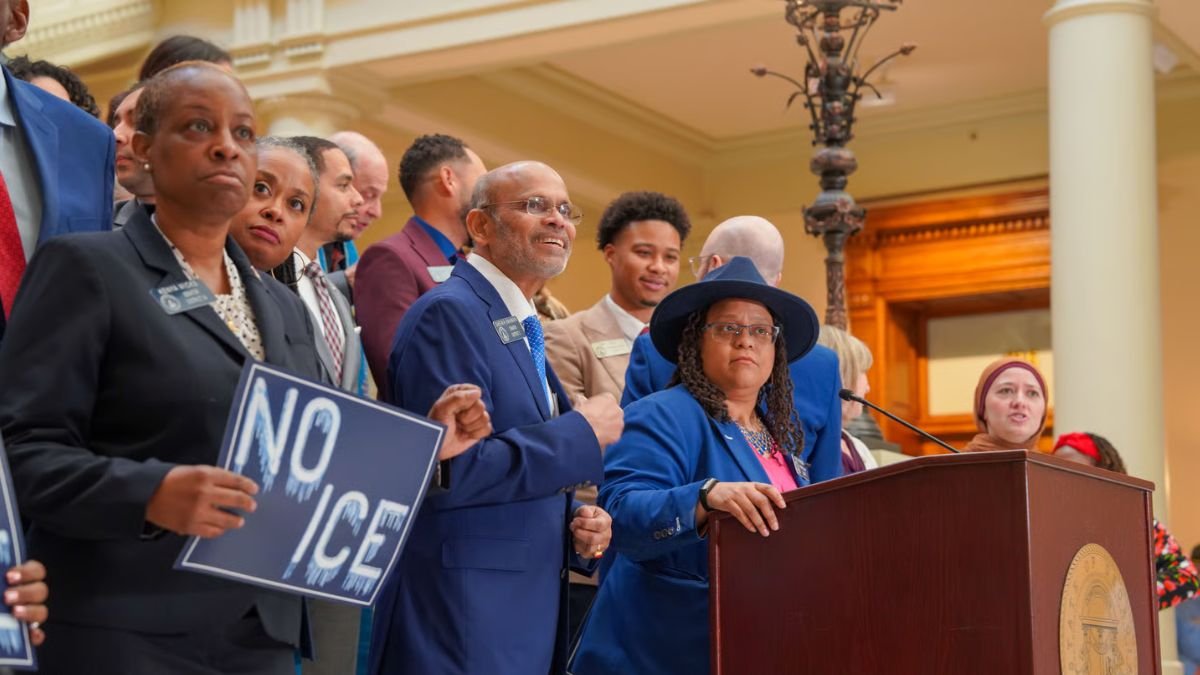
U.S. Sen. Jon Ossoff and U.S. Rep. Lucy McBath of Georgia are calling on the Department of Homeland Security and Immigration and Customs Enforcement to ensure that people with disabilities in immigration detention receive proper accommodations.
In a letter sent to federal officials this week, the lawmakers said they have received reports of medical neglect inside detention facilities.
They warned that delays or denials of medical care can be especially harmful for people with disabilities.
Lawmakers Point to Reports of Medical Neglect
Ossoff and McBath said individuals with disabilities may face greater risks when detention facilities fail to provide timely medical care or necessary accommodations.
Their letter asks federal agencies to explain how they identify detained people with disabilities and how they ensure compliance with disability access requirements.
Rodney Taylor Case Cited as High-Profile Example
One widely reported case involved Rodney Taylor, an Atlanta-area man who was held in immigration detention for more than a year.
Taylor, a double amputee, said he was forced to crawl across dirty bathroom floors at Stewart Detention Center in South Georgia because of inadequate accommodations.
He was released earlier this year. Taylor and his wife have said they plan to continue advocating for other people with disabilities who remain in detention.
Letter Signed by Dozens of Lawmakers
The letter from Ossoff and McBath was signed by dozens of senators and representatives, including other lawmakers from Georgia.
Nearly all of the signers are Democrats, along with one Independent who usually votes with Democrats.
Questions Sent to DHS and ICE
The lawmakers are asking DHS and ICE to answer several questions about disability access in detention facilities.
They want to know how ICE identifies people with disabilities during intake, how the agency monitors compliance with disability accommodation rules and whether any of the billions of dollars in recently approved immigration enforcement funding will be used for health care needs or disability accommodations.
Agencies Did Not Respond by Deadline
DHS and ICE officials did not respond to WABE’s request for comment before the deadline.
Jon Ossoff and Lucy McBath are pressing federal immigration officials to address disability accommodations and medical care in detention facilities. Their letter highlights concerns about medical neglect, asks how ICE identifies and supports people with disabilities, and questions whether new immigration enforcement funding will help cover health care and accessibility needs.
Secret Restroom Recordings Trigger Major Federal Investigation in Georgia

The FBI Atlanta office is asking for the public’s help to identify young boys who may have been secretly recorded in public restrooms and at high school athletic events across North Georgia.
Federal agents are investigating a series of illicit videos believed to have been recorded between February 2024 and March 2026.
A freelance photographer is facing state charges for possession of child pornography after investigators discovered recordings taken in Gwinnett, Jackson and Oconee counties.
Suspect Allegedly Targeted Restrooms and Sports Events
Authorities said the suspect mainly targeted boys inside men’s restrooms and at high school sports games.
Federal investigators identified five locations where recordings were made, with footage captured on dozens of different dates.
Agents found the videos after seizing the suspect’s devices during a separate federal investigation.
Georgia Locations Connected to Recordings
The FBI said the recordings were made at five North Georgia properties, including schools, parks and businesses.
The identified locations include Mountain View High School baseball fields in Lawrenceville, where recordings may have occurred on 18 dates.
Investigators also identified 17 possible dates at the Publix men’s restroom at Butler’s Crossing in Watkinsville.
Other locations include Rabbit Hill Park baseball fields in Dacula, with three possible dates, Mill Creek High School basketball stadium in Hoschton, with one possible date, and the Kroger men’s restroom in Jefferson, with one possible date.
Officials said all school-related incidents happened outside normal school hours.
Suspect’s Name Not Released
The FBI has not publicly released the name of the freelance photographer accused of creating the hidden recordings.
Investigators also do not yet know the identities of all children who may have been filmed. Because the videos were recorded secretly, some victims and families may not realize they were affected.
Federal authorities have not disclosed details about the separate federal investigation that originally led to the suspect’s arrest and the seizure of his devices.
Community Members React With Concern
Parents and community members have expressed alarm after learning about the investigation.
Rob Robinson, a father who helps coach his son’s baseball team at Rabbit Hill Park, said it was disturbing to hear about the allegations involving a place he regularly visits with his children.
FBI Special Agent in Charge Marlo Graham said the suspect allegedly used his position as a photographer to gain access to local spaces and record people without their knowledge.
Graham said many of those recorded were young children and called the allegations egregious, adding that places such as schools and parks should be considered protected community spaces.
FBI Opens Confidential Online Portal
The FBI is asking anyone who visited the listed locations during the two-year period, or anyone who knows someone who regularly went to those places, to contact investigators.
Federal law requires the FBI to identify victims of federal crimes.
The agency has created a secure online portal for legal guardians and potential victims. Families who visited the locations can use the official FBI Victim Services website to review known dates and submit information through a confidential questionnaire.
The FBI is working to identify young boys who may have been secretly recorded at Georgia restrooms, parks and school athletic facilities between 2024 and 2026. Investigators say the footage was discovered after devices were seized from a freelance photographer facing state child pornography charges. Families connected to the listed locations are urged to review the FBI’s secure portal and provide any relevant information.
Georgia Legislature Ends Special Session With Bill Delaying QR Code Ballot Ban
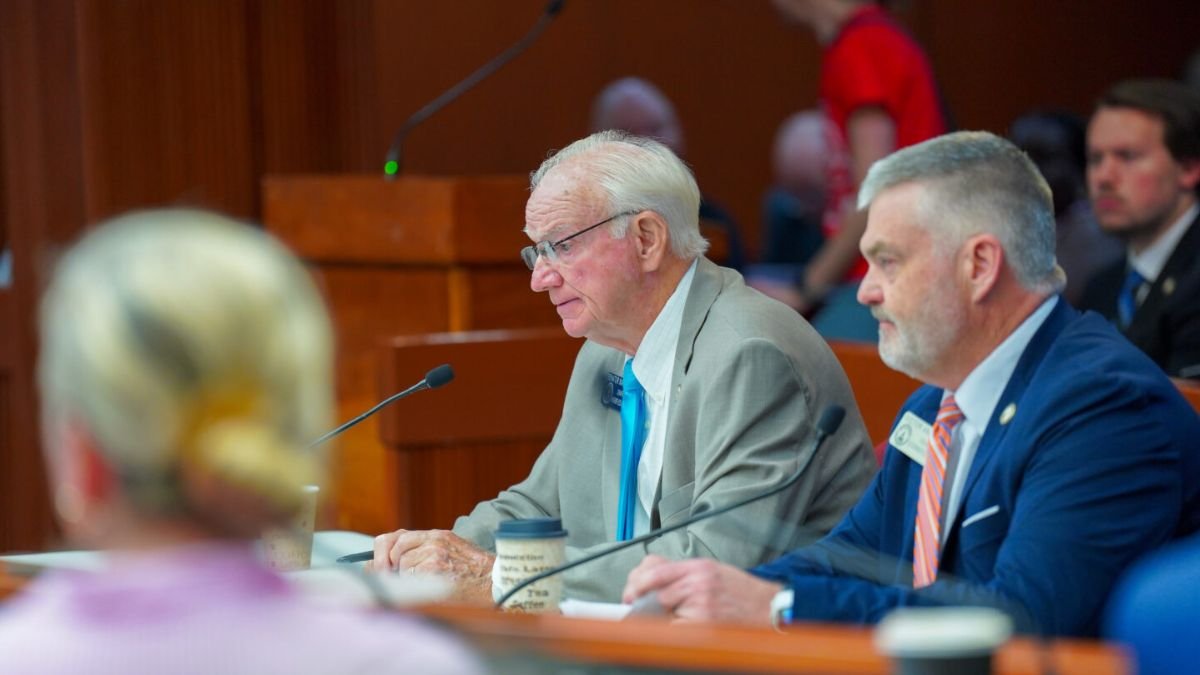
The Georgia legislature passed a bill Tuesday that would extend the use of QR codes on ballots until 2028 and require limited hand recounts in close statewide races.
The measure applies only to statewide offices such as governor, lieutenant governor and other state-level positions. It does not apply to federal races, including presidential elections.
The bill passed the House 94 to 79 and the Senate 36 to 16.
Hand Recounts Limited to Close Statewide Races
The final version of Senate Bill 3EX is narrower than an earlier proposal.
A previous version would have required hand recounts of the top two races on a ballot before certification, regardless of the margin. After objections from advocates and Democratic lawmakers, a House committee revised the bill.
Under the current version, hand recounts would only be required for the top two statewide races when the margin is within 0.5%. The recount must be completed within 17 days.
If signed into law by Gov. Brian Kemp, the changes would take effect immediately.
Special Session Focused on Election Rules
Georgia lawmakers met in a special session that ended Tuesday.
Kemp initially called the session in part because of questions around redistricting following the U.S. Supreme Court’s decision in Louisiana v. Callais, which raised concerns about protections under the Voting Rights Act. However, Republican leaders in both chambers ultimately chose not to take up redistricting because of uncertainty about how the ruling should be applied.
Instead, lawmakers addressed another major issue on Kemp’s agenda: how Georgia elections will be handled going forward.
QR Code Ballot Ban Delayed
A 2024 Georgia election law was set to ban QR code ballots starting in July.
However, lawmakers did not pass a replacement voting system during the regular session earlier this year. Senate Bill 3EX would push the QR code ballot deadline to 2028, giving the state more time to create a new system.
Advisory Committee to Study New Voting System
The bill also creates an advisory committee to recommend a new election system for lawmakers to consider during the 2027 legislative session.
Committee members would be appointed by the governor, the Senate Committee on Assignments and the speaker of the House.
The House committee also added language requiring the advisory committee to specifically study how to implement hand-marked paper ballots produced with ballot-on-demand printing.
Supporters Say Measure Could Build Voter Confidence
State Sen. Max Burns, a Republican from Sylvania and the bill’s author, said the proposal is meant to improve confidence in Georgia elections.
Burns said Georgia has used both manual counts and machine counts in the past and argued that both methods can work together to confirm final results.
After the bill was amended, Burns said he supported the final changes. He said no side gets everything it wants in the legislative process, but he believes the bill now reaches a practical outcome for Georgia.
Critics Warn Hand Counting Could Delay Certification
Advocates and Democratic lawmakers objected to the bill during Monday’s committee hearing.
They argued that hand recounting ballots could delay certification, produce less accurate results and increase costs for taxpayers.
Brittany Burns, an organizer with the Black Voters Matter Fund, said hand counting is more expensive, slower and more prone to errors than machine counting. She warned that it could slow election results and create certification problems.
Some Democrats Supported the Bill Despite Concerns
Although many Democrats opposed the hand recount provision, some still voted for the bill to avoid confusion over Georgia’s voting system after the July QR code deadline.
Senate Minority Leader Harold Jones said he considered the special session largely successful. He said some Senate Democrats supported SB 3EX because they did not want the state to face chaos without a clear voting system in place.
Jones said the vote was not an easy decision, but lawmakers had to prevent a larger risk if no election system solution was approved.
Democrats Still Object to Key Provisions
Several Democrats continued to oppose the bill, especially because it still includes hand recounts.
State Rep. Gabriel Sanchez, a Democrat from Smyrna, said hand recounts will likely produce slightly different totals from the original count because of human error, not fraud. He said thousands of people manually counting millions of ballots would inevitably create inconsistencies.
Other Democrats argued the bill revisits disputes from the 2020 presidential election and echoes claims by President Donald Trump that Georgia voting machines counted votes inaccurately.
State Rep. Jasmine Clark, a Democrat from Lilburn, said lawmakers were spending time rearguing 2020 election denial claims while presenting the bill as election integrity.
Concerns Raised About Advisory Committee Balance
Some Democrats also questioned whether the advisory committee would be bipartisan.
State Rep. Stacey Evans, a Democrat from Atlanta, asked why the bill did not require intentional bipartisan balance or recommendations from the minority party.
State Rep. Victor Anderson, a Republican from Cornelia and chairman of the House Governmental Affairs Committee, said he trusted House Speaker Jon Burns to make bipartisan appointments.
Anderson said House study committees typically include members from both parties and that he believes the speaker will handle appointments appropriately.
Homestead Tax Referendums Fail to Advance
Another issue on Kemp’s special session agenda involved local referendums on homestead tax exemptions for November ballots.
Earlier this year, Kemp signed Senate Bill 33, which allows local governments to raise sales taxes to fund property tax cuts through homestead exemptions. The sales tax is called a Local Homestead Option Sales Tax. Residents would need to approve the exemption through a majority vote in a referendum.
Republicans argued voters should be allowed to decide whether they want the property tax measure.
State Sen. Bo Hatchett, a Republican from Cornelia, said lawmakers should put the issue on the ballot and let residents vote.
However, lawmakers failed to reach the required two-thirds majority needed to place the local referendums on November ballots.
State Rep. David Wilkerson, a Democrat from Powder Springs, opposed the plan, saying it would create a new sales tax on food and everyday purchases. He argued that tax relief should not come through another tax.
Georgia lawmakers passed Senate Bill 3EX to extend QR code ballot use until 2028 and require hand recounts only in close statewide races. Supporters say the measure gives Georgia more time to develop a replacement voting system and may strengthen voter confidence. Critics warn that hand counting could be costly, slow and less accurate. Meanwhile, lawmakers failed to advance local homestead tax exemption referendums during the special session.
National Weather Service Confirms Three Tornadoes Hit East Georgia
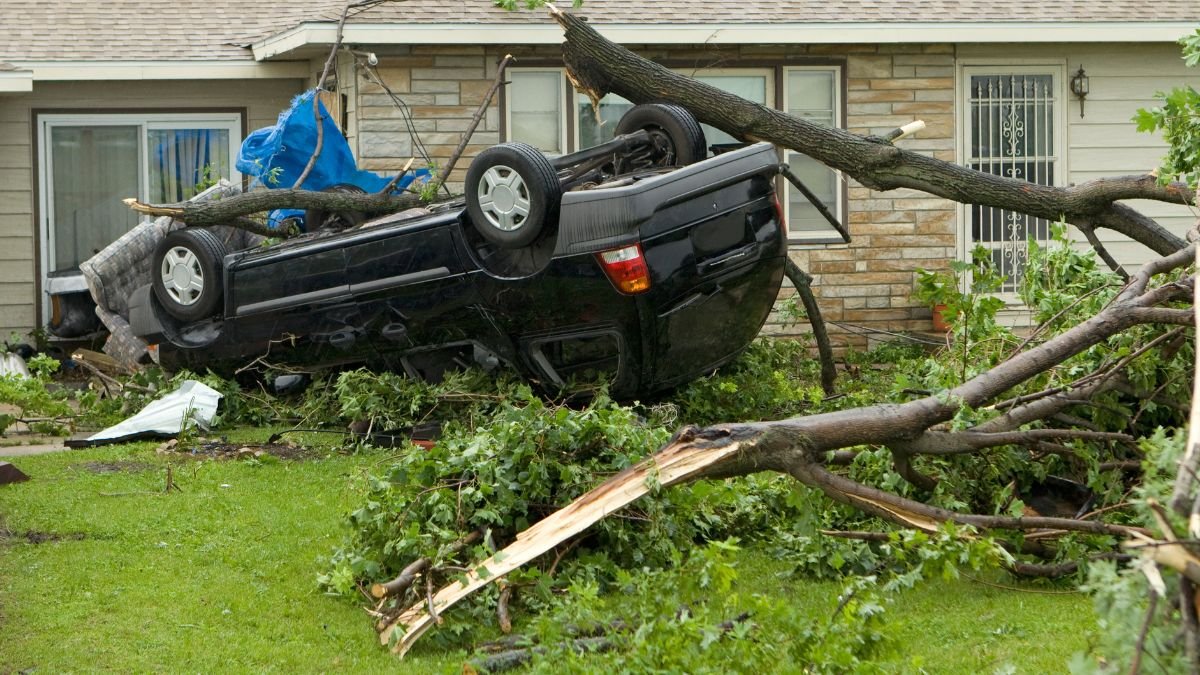
The National Weather Service has confirmed that three tornadoes touched down in east Georgia during severe storms on June 18.
One of those tornadoes may have played a role in a deadly incident in Putnam County, where two people were later killed after a tree fell onto a vehicle near the storm’s path.
EF0 Tornado Reported Near Flat Rock
Survey crews rated the tornado near Flat Rock in Putnam County as an EF0, with estimated peak winds of 80 mph.
The tornado was on the ground from about 9:04 p.m. to 9:07 p.m. and traveled roughly 2.6 miles. Its maximum width was estimated at 100 yards.
Officials said two people died and two others were injured the next morning when a tree fell onto a vehicle close to the tornado’s track. The weather service said it is likely, though not confirmed, that the storm weakened the tree before it fell.
Because the deaths and injuries happened after the tornado and were not caused by a direct tornado strike, they are being classified as indirect.
Second EF0 Tornado Moved Into Greene County
A second tornado, also rated EF0, developed around 9:19 p.m. near Rockville in Putnam County.
That storm had peak winds of about 85 mph and traveled approximately 4.4 miles into Greene County near Lake Oconee before ending around 9:24 p.m.
No injuries or deaths were reported from this tornado.
Strongest Tornado Rated EF1
The strongest tornado from the June 18 storm system was rated EF1, with estimated peak winds of 90 mph.
It touched down at about 8:51 p.m. in Jones County near Blountsville and traveled more than 10 miles through Baldwin and Putnam counties before lifting around 9 p.m.
The tornado reached a maximum width of 175 yards. Officials reported no injuries or fatalities connected to this storm.
More Survey Details Still Expected
The National Weather Service is continuing to complete storm surveys from the June 18 severe weather event.
Additional details and full survey summaries for all three tornadoes are expected to be released in the coming days.
The June 18 storms produced three confirmed tornadoes across east Georgia, including two EF0 tornadoes and one EF1 tornado. While no direct tornado fatalities were reported, one Putnam County tornado may have weakened a tree that later fell onto a vehicle, killing two people and injuring two others. Final survey details from the National Weather Service are still pending.
These Georgia Laws Will Go Into Effect Starting July 1
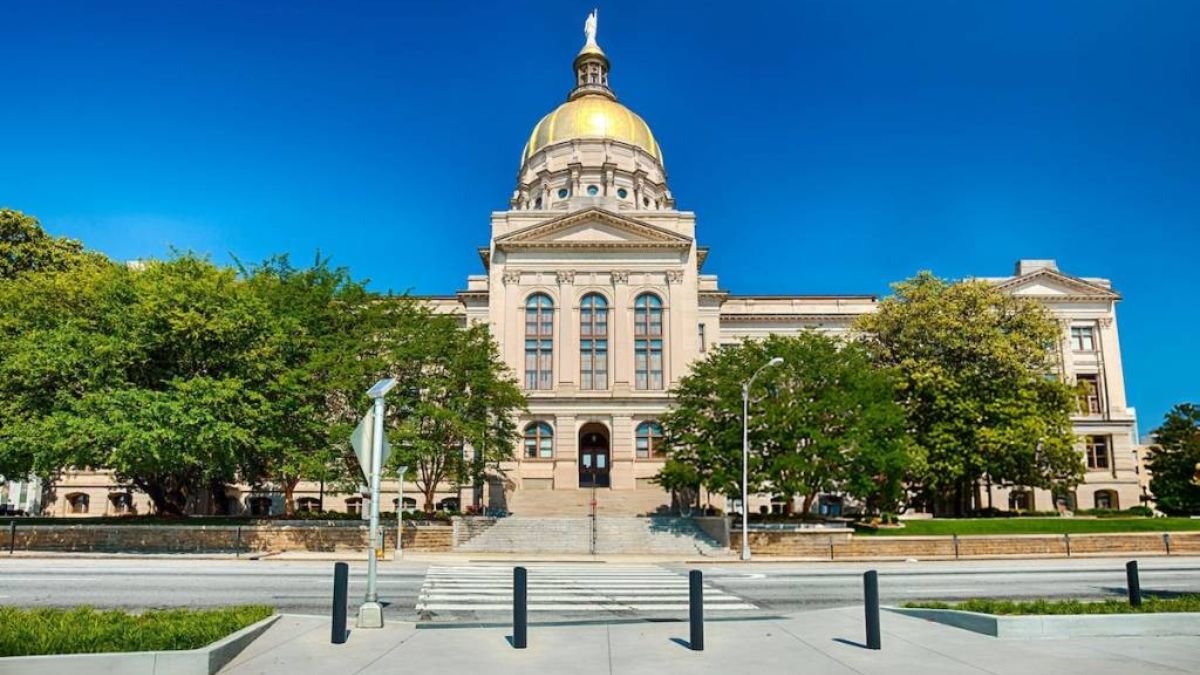
July 1 is an important date in Georgia because it is when many bills passed during the Georgia General Assembly legislative session officially become law.
Unless lawmakers include a different effective date in a bill, new laws typically begin on July 1. That timing is closely connected to Georgia’s fiscal year, which runs from July through June, a structure used by many states.
For 2026, the new laws cover a wide range of issues, including feral hog hunting, cash rounding rules if the penny is discontinued, tougher penalties for pimping and pandering, a new statute of limitations for clergy abuse cases, faster delivery robots, new restrictions on bingo games, changes to education, healthcare, public safety, transportation and more.
How the New Laws Were Reviewed
Each year after the legislative session, the state Legislative Services Committee and the Office of Legislative Counsel publish a summary of bills passed by lawmakers.
Using the 2026 summary, more than 120 laws were identified as taking effect on July 1, 2026. From that group, laws with broader public impact were filtered out from more routine or highly technical measures, such as judicial circuit renamings or narrow insurance and tax provisions.
The resulting list included 63 new laws expected to matter most to Georgia residents. These laws were then checked against the official legislative summary to ensure they were accurately described.
Aviation
Airport Safety and Land Use Rules
HB 1434 requires airport sponsors to identify areas affected by airport operations. Local governments must then create and enforce height and land-use regulations to protect airspace from obstructions. The Georgia Department of Transportation may assist, and the law includes a variance process.
Banking and Finance
Financial Exploitation and Virtual Currency Kiosk Protections
HB 945 allows financial institutions to place holds of up to 15 business days on transactions if they suspect financial exploitation of elderly or disabled customers. The law also requires notice to a trusted contact and adds new consumer protections for virtual-currency kiosks, including warnings, transaction limits and fraud refund rights.
Commerce and Trade
Cash Rounding Rules if the Penny Is Discontinued
HB 1112 creates rules for rounding cash purchases if the penny is discontinued. Merchants must accept exact change when offered, and sales tax must be calculated before rounding takes place.
Senior Living Referral Agency Rules
SB 439 requires referral agencies for senior-living facilities and personal care homes to give important disclosures to prospective residents and obtain acknowledgment of those disclosures. It also limits when agencies can charge facilities referral fees and gives the Attorney General enforcement authority.
Conservation and Natural Resources
Prescribed Burning for Forestry
HB 983 exempts certain silviculture-related prescribed burns from some notice and permit requirements. The law defines silviculture as the science and practice of managing forest growth, health, quality and composition.
Building Permit and Inspection Updates
SB 447 revises building inspection report procedures and permit issuance rules. It also requires local governments to provide real-time updates on the status of building permit applications.
Courts
Magistrate Court Jurisdiction Increase
HB 999 raises the civil jurisdiction limit for magistrate courts from $15,000 to $25,000. It also updates fee-collection rules and fixes a drafting issue in a previous magistrate election law. One section takes effect later, on January 1, 2027.
Crimes and Offenses
Pimping and Pandering Become Automatic Felonies
SB 547 makes pimping and pandering automatically punishable as felonies in Georgia.
Pharmacy Supervision and Drug Definition Updates
HB 382 requires pharmacists to be physically present when supervising pharmacy technicians, while allowing some technical tasks to be done remotely. The law also changes the pharmacist-to-intern or extern supervision ratio from 1:2 to 1:6 and updates several drug-related definitions. Certain provisions involving lysergide tartrate and crystalline-polymorph psilocybin will only take effect if the FDA approves the substances and they are added to federal drug schedules.
Signal Jammer Ban
SB 470 creates a new crime for possessing, making, selling or using cellular, GPS, radio or wireless signal jammers. The law includes mandatory penalties when public safety or critical infrastructure systems are affected. It also makes signal jammers contraband subject to forfeiture.
Clergy Sexual Abuse Offenses
SB 542 creates first-degree and second-degree offenses for improper sexual contact by a clergy member. It also sets a 15-year statute of limitations for those cases.
Abuse Victim Location Orders and Animal Cruelty Database
SB 587 allows courts to order the location of an alleged abuse victim in certain child and elder abuse cases. It also creates a statewide animal cruelty database.
Highway and Sidewalk Obstruction Penalties
SB 443 increases the penalty for obstructing a highway or street from a misdemeanor to an aggravated misdemeanor. Obstructing a sidewalk becomes a standard misdemeanor, and the law allows civil damages claims.
Disruption of Religious Services and Funerals
SB 591 makes disrupting a religious service, memorial or funeral a misdemeanor. The offense becomes an aggravated misdemeanor if it happens at a military funeral or memorial.
Gift Card Theft and Fraud
HB 447 creates new felony offenses for gift card theft, gift card forgery and gift card fraud.
Medical Cannabis Language and Rules
SB 220 replaces the term “low THC oil” with “medical cannabis” throughout Georgia law. It reduces criminal exposure for lawful possession, updates the list of eligible medical conditions for registration cards and revises duties for the Medical Cannabis Commission.
New Bingo Restrictions
HB 455 tightens bingo rules by reducing permitted locations and sessions, capping weekly prize amounts and limiting compensation for people who operate bingo games.
Criminal Procedure
Repeat Misdemeanor Felony Rule
HB 1075 makes a fourth or later qualifying misdemeanor within a 10-year period a felony. The offense is punishable by one to 10 years in prison.
Domestic Relations
Child Fatality Review Expansion
SB 383 expands child fatality review committees by adding members, requiring training and broadening the scope of reviews. It also adds new notification and reporting duties.
Safe-Haven Newborn Law Expansion
HB 350 expands Georgia’s safe-haven newborn law to include public safety vehicles, ambulances and newborn safety devices, including devices with cameras and alarms. It also protects people who help a parent surrender a newborn.
Family Justice Centers
HB 1283 authorizes Family Justice Centers that provide coordinated services to victims of family violence, sexual assault, abuse and trafficking. It also extends evidence-retention timelines in sexual assault cases.
Education
After-School Programs for Pre-K Students
HB 1123 requires schools that offer after-school programs to make those programs available to pre-K students beginning in the 2026-2027 school year. The law includes a waiver process.
New Math Instruction Requirements
HB 1030 creates new math instruction rules, including minimum instructional time in grades 4 and 5. It also sets advanced-course standards with automatic enrollment for grades 8 through 10 and adds new teacher training requirements.
Educator Preparation Program Data
HB 1107 requires the Professional Standards Commission to publish annual performance measures for educator preparation programs, including satisfaction survey results.
Diplomas for Terminally Ill Students
HB 1284 allows local school boards to award high school diplomas to terminally ill students receiving end-of-life care.
Hunting Safety and Outdoor Learning
SB 148 allows hunting safety instruction for students in grades 6 through 12. It also creates a pilot program for outdoor learning spaces, removes the physician-involvement requirement for AED programs and increases accumulated sick leave for teachers.
DREAMS Scholarship and Higher Education Updates
SB 556 creates the DREAMS scholarship, counts advanced fine arts courses toward HOPE eligibility, requires opioid-antagonist availability at university and technical college campuses, adds a medical school scholarship and increases 529 plan contribution limits. One part of the law was already effective on May 11, 2026.
Workforce and Apprenticeship Overhaul
HB 1302 makes major workforce alignment changes. It reconstitutes the Office of Student Achievement as the Office of Education and Workforce Strategy, updates the apprenticeship program and designates the Technical College System as the state apprenticeship agency. One section is delayed until January 1, 2027.
Student Political Expression Rights
SB 552 protects public school students’ right to political expression and equal access to limited public forums and political student groups.
Nontraditional Education and Virtual Student Access
SB 369 requires the State Board of Education to create rules and policies for nontraditional education programs. It allows virtual students to participate in extracurricular activities at their home school, requires total-cost-of-ownership reviews for school technology purchases and creates dropout recovery charter schools.
Computer Science Graduation Requirement
SB 179 makes computer science a graduation requirement beginning in the 2031-2032 school year. It also allows patriotic society representatives to speak to students when requested and classifies virtual-only nonpublic schools as private schools.
Foreign Funding Reports for Schools
HB 1379 requires annual reporting of foreign funding received by Georgia colleges, universities and school systems. The law defines a “foreign source of concern.” One section takes effect on January 1, 2027.
Pre-K, Kindergarten and Crisis Line Information
SB 589 allows 4- and 5-year-olds to enroll in Pre-K, permits eligible first-grade-age children to enroll in kindergarten instead and requires suicide and crisis line information on student ID badges.
Fire Protection and Safety
Truss and I-Joist Building Notices
HB 1086 requires buildings using light-frame truss or engineered I-joist construction to post notice of that construction type. Fire marshals are responsible for enforcement.
Food, Drugs and Cosmetics
Imported Shrimp Disclosure
HB 117 requires restaurants serving foreign-imported shrimp to disclose that information on menus or placards.
Egg Standards Repealed
SB 551 repeals Georgia’s egg standards, labeling and adulteration statute in full.
Game and Fish
Feral Hog Trapping and Drone Use
HB 946 allows feral hog trapping without a license, but hogs must be killed upon capture. The law also allows people to locate hogs using drones.
Reef and Migratory Fish Endorsements
SB 420 adds fees for reef and migratory fish endorsements, creates reporting requirements for endorsement holders and adjusts the effective date for related Department of Natural Resources rule violations.
Handicapped Persons
Service Dog Protections
HB 668 adds criminal penalties and restitution requirements for harming or interfering with service dogs. It also sets training rights and responsibilities and penalizes fraudulent service dog claims.
Health
GLP-1 Drug Administration in Personal Care Homes
HB 659 allows GLP-1 drug administration at personal care homes and adds optometrists to certain grant and loan forgiveness programs.
Pharmacist Access to HIV Prevention Medication
SB 195 allows pharmacists to administer HIV PrEP and PEP. It also allows physicians to prescribe long-acting injectables and creates related training and documentation requirements.
Medicaid Waiver for Mental Health Services
SB 428 directs the Department of Community Health to seek a Medicaid waiver for home and community-based mental health services for adults over 21 who do not require institutional care.
AED and Telephone CPR Training
SB 399 requires AED instructors to complete a nationally recognized course. It also requires communication officers to receive training in telephone CPR and AED guidance.
Labor and Industrial Relations
Portable Benefits for Independent Contractors
HB 987 creates portable benefit accounts for independent contractors.
Law Enforcement Officers and Agencies
First Offender Act Record Sealing
HB 162 changes when First Offender Act records are sealed and keeps them sealed unless first offender status is revoked.
Autism License Plates and Officer Training
SB 433 creates autism and developmental disability license plates. It also requires the Georgia Peace Officer Standards and Training Council to develop mandatory basic training for officers on encounters with people with autism spectrum disorder or developmental disabilities.
Local Government
Ancestral Burial Ground Access
SB 146 creates legal access and visitation rights for ancestral burial grounds located on private land. It also strengthens protections against disturbing those sites and creates new rules for family burial plots.
Mental Health
Background Checks for Care Facilities
HB 1097 requires criminal history and registry checks for caregivers, owners and staff at facilities serving children, elderly people and people with disabilities.
Military, Emergency Management and Veterans Affairs
Veterans Cemetery Eligibility Expansion
HB 985 expands eligibility for burial in Georgia veterans cemeteries to Georgians who served in Hmong or Laotian guerrilla units alongside U.S. forces between 1961 and 1975.
Motor Vehicles and Traffic
Vehicle Registration After Inheritance
HB 1181 allows registration of a vehicle received through inheritance, devise or bequest.
Faster Delivery Robots
HB 986 increases the maximum sidewalk speed for personal delivery robots from 4 mph to 7 mph. The robots must also provide an audible alert near pedestrians.
License Plate Fraud and Odometer Tampering
SB 293 raises penalties for license plate fraud and odometer tampering to felonies. It also adds VIN requirements for temporary tags, requires metal dealer plates, mandates annual dealer fraud reporting and updates used car dealer licensing rules. One part takes effect on January 1, 2027.
Emergency Vehicle and Traffic Stop Rules
HB 1161 updates rules for yielding to emergency vehicles and during traffic stops. It also penalizes fleeing or eluding officers and revises window tint and automated traffic camera rules. The window tint section is delayed until July 1, 2027.
School Zone Speed Camera Rules
HB 651 updates school-zone speed-camera warning sign rules, creates penalties for camera misuse and blocks new camera programs after 2027 unless voters approve them. Two enforcement-related sections take effect on July 1, 2027.
Penal Institutions
Drone Restrictions Near Prisons
HB 1230 tightens restrictions on drones near prisons. It bans drones used to deliver contraband or film for criminal purposes, allows a warden’s prior approval to be used as evidence against criminal intent and permits violating drones to be treated as contraband.
Professions and Businesses
Professional Health Programs
HB 219 allows state counseling, social work and nursing boards to operate professional health programs that monitor and rehabilitate impaired healthcare workers.
Stem Cell Therapy Rules
HB 1275 creates safeguards for human stem cell therapy. It bans the use of cells from aborted fetuses or embryos and restricts non-FDA-approved treatments, with exceptions.
Human Trafficking Training for Lodging Operators
SB 570 requires human trafficking awareness training for inns and short-term rental property managers. It also creates related reporting rules and penalties.
Psychedelic-Assisted Therapy Clinics
HB 717 creates a licensing and oversight structure for psychedelic-assisted therapy clinics. The framework includes hospital affiliation requirements and provider qualifications.
Public Officers and Employees
Paid Maternal Birth Leave
HB 1118 creates 120 hours of paid maternal birth leave for certain state employees. It also bars employers from taking adverse action against employees who use that leave.
Social Services
RSV Information and Sickle Cell Review
HB 334 requires child care providers to share RSV information. It also requires the Department of Human Services to review whether sickle cell disease treatment is adequate for Medicaid recipients and publish a related report.
State Government
Stone Mountain and Jekyll Island Property Rules
HB 1415 updates the Stone Mountain Memorial Association’s property powers. It also requires certain Jekyll Island and Stone Mountain land to be placed into a public benefit trust unless sold for public road right of way.
Waters of the State, Ports and Watercraft
Abandoned Vessel Rules
HB 115 requires law enforcement to check on unattended vessels. It revises procedures for removing abandoned vessels and handling liens, while adding criminal penalties for owners who fail to retrieve abandoned vessels from public waters or property after notice.
Georgia’s new laws taking effect on July 1, 2026, cover a broad range of public issues, from criminal penalties and school rules to healthcare access, transportation changes, consumer protections and environmental regulations. While some measures are technical, many will affect everyday life across the state, including how residents interact with schools, courts, businesses, healthcare providers, law enforcement and local governments.
Rambo Kubheka Relishes Honour of Leading Junior Springboks’ Title Defence in Georgia

A year ago, Junior Springbok prop Rambo Kubheka likely would not have imagined leading South Africa’s U20 team into the opening match of the Junior World Championship.
Now, in his second campaign with the side, Kubheka will captain the defending champions when they face Uruguay on Saturday in Tbilisi, Georgia. The match is scheduled for a 6:30 p.m. kickoff.
Junior Boks Begin Title Defence
Kubheka was part of last year’s championship-winning squad under head coach Kevin Foote.
As one of the returning players, he is expected to play a major leadership role as the Junior Springboks begin their title defence.
Squad captain Siphosethu Mnebelele will start on the bench, while regular captain Riley Norton is currently with the senior Springbok squad. That opened the door for Foote to give the captaincy to Kubheka, the loosehead prop.
Kubheka described the opportunity as a blessing and a major honour. He said if someone had told him a year earlier that he would captain the team in their first match, he would have thought they were joking.
South Africa Focused on a Fresh Start
Although the Junior Boks enter the tournament as reigning champions, Kubheka said the team is not relying on last year’s success.
Foote has already suggested that he plans to rotate his squad across the three pool-stage matches, with fixtures against Georgia and Wales still to come over the next two weeks.
Kubheka said the team is approaching the competition with new goals and a clean slate. He added that the leaders want to set the tone through their actions and that having players who understand the responsibility makes his job as captain easier.
He also stressed that South Africa will respect every opponent and avoid taking any team lightly.
Junior Boks Without Norton and Moyo
South Africa will have to defend their title without two important players from last year’s campaign.
Riley Norton and flyhalf Vusi Moyo are both with the senior Springboks ahead of the Nations Championship, which begins next week.
Both players would have been valuable to the U20 side, but the Junior Boks must move forward without them.
Strong Team Named for Uruguay Clash
Foote has selected a near full-strength lineup for the opening match against Uruguay.
On paper, Uruguay may be considered the least difficult of South Africa’s three pool opponents. That makes the opener an important chance for the Junior Springboks to build confidence, rhythm and momentum before tougher challenges arrive.
Georgia Expected to Pose Physical Challenge
After Uruguay, the Junior Boks will face tournament hosts Georgia.
Foote said the team’s attention is fully on the first match, but he acknowledged that Georgia will be a serious challenge, especially after their recent victory over New Zealand.
He said Georgia have improved and will likely be stronger than the team South Africa previously faced, especially with overseas-based players returning.
Foote also pointed to Georgia’s passionate home crowd and said the match is expected to be emotional and physical.
Wales Await in Final Pool Match
The Junior Springboks will close their group campaign against Wales after facing Georgia.
With squad rotation expected, South Africa will need contributions across the full group as they aim to advance and defend their title.
Junior Springboks Starting Team
The Junior Springboks starting lineup against Uruguay is:
15 Luan Giliomee, 14 Khuthadzo Rasivhaga, 13 Markus Muller, 12 Ethan Adams, 11 Jordan Steenkamp, 10 Alzeadon Felix, 9 Hendré Schoeman, 8 Vuyo Gwiji, 7 Gert Kemp, 6 Risima Khosa, 5 JD Hattingh, 4 Jaythen Orange, 3 Luan van der Berg, 2 Liam van Wyk, 1 Rambo Kubheka captain.
Replacements
The replacements are:
16 Siphosethu Mnebelele, 17 Jordan Jooste, 18 Danie Kruger, 19 Thomas Beling, 20 Wasi Vyambwera, 21 Jayden Brits, 22 Akahluwa Boqwana, 23 Cheswill Jooste.
Rambo Kubheka will lead the Junior Springboks into their Junior World Championship opener against Uruguay as South Africa begins its title defence in Georgia. With key players away on senior Springbok duty and challenging fixtures against Georgia and Wales ahead, the defending champions will look to start strongly and build momentum from the first match.
Georgia Residents Urged to Report Invasive Yellow-Legged Hornets
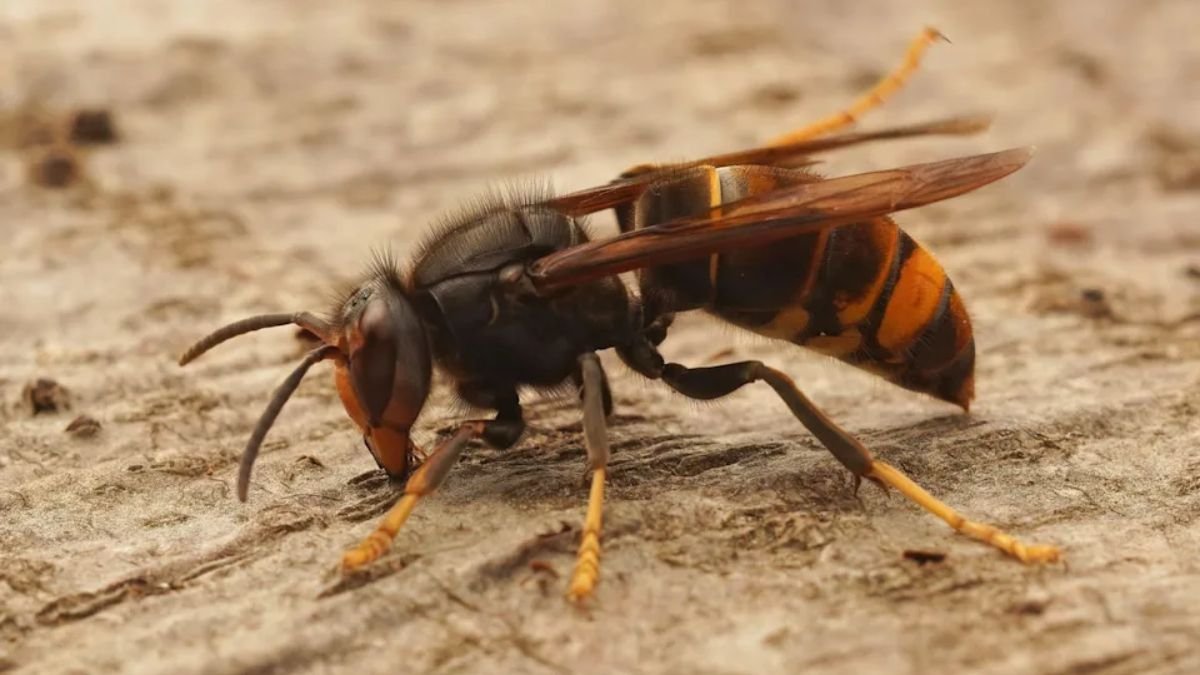
The Georgia Department of Agriculture is asking residents to remain alert for invasive yellow-legged hornets and to report any suspected nests.
Officials are warning the public not to remove nests on their own. Instead, residents should contact the state agency or a licensed pest management professional.
Counties Asked to Stay Especially Alert
Georgia Agriculture Commissioner Tyler J. Harper said residents should be especially watchful for secondary nests in several counties.
The counties include Bryan, Bulloch, Chatham, Effingham and Liberty.
State officials are continuing efforts to control and prevent the spread of the invasive species across Georgia.
Increased Activity Around Beehives
The department’s Plant Protection Division has reported increased hawking activity near beehives.
Officials said this behavior suggests that yellow-legged hornet colonies are entering their secondary nesting phase.
Hawking occurs when hornets hover near honeybee hives and attack foraging bees. This activity can pose a threat to honeybee populations and local beekeeping operations.
What Yellow-Legged Hornet Nests Look Like
According to the department, yellow-legged hornet secondary nests can grow larger than a beach ball.
Residents should look for large round or oval nests located high in trees or other elevated places. These nests are usually gray or brown and made of layered, paper-like material.
Depending on weather conditions, secondary nests may be visible from late summer through winter.
When to Watch for Hornet Activity
Georgia residents are encouraged to watch for hawking activity around beehives, especially during the morning before noon and again after 5 p.m.
Officials said these times can be important for spotting hornet activity near honeybee colonies.
What to Do if You Find a Nest
Anyone who believes they have found a yellow-legged hornet nest should not try to remove it.
Instead, residents should contact the Georgia Department of Agriculture’s Plant Protection Division at yellow.legged.hornet@agr.georgia.gov or reach out to a licensed pest management professional.
Proper removal is important to make sure the queen is eradicated and the colony does not continue spreading.
Commissioner Harper Calls for Public Help
Commissioner Harper said Georgia has made strong progress in tracking and eliminating yellow-legged hornets, but continued public support is essential.
He said the sooner a nest is found and reported, the faster state teams can respond. Harper urged Georgians to stay vigilant and help prevent the invasive species from gaining a foothold in the state.
Georgia agriculture officials are asking residents, especially in Bryan, Bulloch, Chatham, Effingham and Liberty counties, to watch for yellow-legged hornet nests and activity around beehives. Because these invasive hornets can threaten honeybees and spread quickly, residents should report suspected nests instead of attempting removal themselves.
These GA Cities Report the Most Unsafe Drinking Water Conditions, According to Data
Georgia’s tap water is generally considered safe to drink, though water quality can vary depending on where residents live in the state.
A 2026 report from PurityMap, an independent data-focused advocacy platform, rated Georgia’s drinking water slightly above the national average. However, the report also found that contaminants in several major cities may still be a concern for some residents.
The national average water quality score is 77.9, which is eight points lower than Georgia’s rating. Among the cities reviewed, Savannah had the cleanest testing results, while Atlanta ranked the lowest.
What Makes Drinking Water “Unclean”?
One of the biggest concerns in Georgia’s water data involves PFAS, also known as per- and polyfluoroalkyl substances.
PFAS are often called “forever chemicals” because they do not easily break down in the environment and are difficult to destroy. These synthetic chemicals are used in products designed to resist water, heat and stains.
According to the American Association for the Advancement of Science, PFAS can persist in the environment for long periods, making contamination difficult to manage.
Why PFAS Matter
PFAS exposure has raised health concerns because certain compounds have been linked to serious conditions.
Exposure to PFOA has been associated with kidney cancer, testicular cancer, liver damage, high cholesterol, thyroid disease, reduced fertility and pregnancy complications.
Most people in the United States have at least one type of PFAS in their blood. There is no treatment for PFAS exposure, and blood testing cannot clearly predict whether a person’s health has already been affected or may be affected in the future.
Common contamination sources include industrial sites, landfills where PFAS have entered groundwater, and areas where PFAS-based firefighting foam has been used, including airports and military facilities.
What Georgia Water Data Shows
PurityMap reviewed nine Georgia water systems serving about 1.6 million people.
The state received a B grade, placing Georgia in the middle range for drinking water quality and cleanliness.
The cities analyzed were Athens, Atlanta, Augusta, Columbus, Macon, Roswell, Sandy Springs, Savannah and Warner Robins.
As of 2026, all nine cities meet basic EPA federal drinking water standards. However, legal compliance does not always mean the water is free from health-related concerns.
EPA Standards vs. Health Guidelines
A study by Echowater, a health, wellness and water purification brand, found that some Georgia cities have notable differences between what is legally allowed in drinking water and what newer health-based standards may consider safer.
The Environmental Working Group sets its own recommended limits for drinking water contaminants, and those limits are often much stricter than the EPA’s Maximum Contaminant Levels.
EPA standards are legal limits, while EWG guidelines are health-focused benchmarks. EPA limits are enforceable, but some have not been updated for many contaminants in decades. EWG guidelines often reflect newer cancer risk research and epidemiological data.
Neither framework is the only definitive standard. They measure water safety and health risk from different perspectives.
Georgia City Water Rankings
All nine Georgia cities studied rely on surface water sources, including the Chattahoochee, Savannah and Ocmulgee rivers.
Lead levels across the cities averaged below the EPA action level of 15 parts per billion, though older homes with aging plumbing may still test higher.
The cities ranked from worst to best were Atlanta and Sandy Springs tied for the lowest score, followed by Augusta, Savannah, Columbus, Macon, Athens, Roswell and Warner Robins.
Columbus Water Data
Columbus meets all EPA drinking water standards.
The city received a Purity score of 82 out of 100. Its water hardness was measured at 1.8 grains per gallon, and no PFAS were detected.
The data also found a moderate chlorine level, which remains within EPA limits but may affect taste. Arsenic was approaching the limit at 0.2 mg/L.
Macon Water Data
Macon also meets all EPA standards.
The city received a Purity score of 82 out of 100, with water hardness measured at 3.2 grains per gallon. No PFAS were detected.
Like Columbus, Macon showed moderate chlorine levels within EPA limits, which may influence taste.
How Residents Can Improve Tap Water Quality
While some of the findings may sound alarming, Georgia’s water is still considered safe and moderately clean overall.
Residents who remain concerned can take practical steps to improve drinking water quality at home.
A common recommendation is an under-sink reverse osmosis filtration system, though these systems can cost anywhere from $150 to $1,000, plus maintenance.
Lower-cost options are also available. According to guidance from the CDC and EPA, residents can request their utility’s annual water quality report, contact their local water provider to ask which contaminants have been detected, use a granular activated carbon filter and choose filters certified to reduce the specific contaminants found in their water.
Residents can also run cold water for a couple of minutes before drinking if water has been sitting unused in pipes.
Georgia’s tap water generally meets federal safety standards and ranks slightly above the national average, but some cities still show contamination concerns. PFAS, chlorine, arsenic, aging pipes and differences between legal limits and health-based guidelines all play a role in how clean water may feel to residents. Reviewing local water reports and using certified filters can help households make informed decisions.
Georgia Harrison Says ‘Vile Manosphere’ Is the Bigger Criminal as Stephen Bear Is Convicted Again

Georgia Harrison has said her experience with former partner Stephen Bear has strengthened her determination to challenge online abuse and misogynistic internet culture.
The former TOWIE star endured years of distress after Bear illegally shared an intimate video of them on OnlyFans without her consent.
Bear was convicted in 2022 and later sentenced to 21 months in prison, but Harrison’s ordeal did not end with his imprisonment.
Stephen Bear Admits Breaching Restraining Order
Bear, 36, is due to be sentenced next month at Chelmsford Crown Court after pleading guilty to breaching the terms of a restraining order.
The order had been issued after his earlier conviction and barred him from contacting Harrison.
After his early release from Brixton prison in January 2024, Bear allegedly launched another campaign against Harrison on social media. Some posts were reportedly viewed millions of times.
Social Media Posts Left Harrison Distressed
In the posts, Bear accused Harrison of being part of a conspiracy against him and suggested his guilty verdict was connected to that alleged plot.
The posts, made while Harrison was pregnant, included photographs of her alongside defamatory claims. Harrison said the material left her distressed and traumatised.
The rhetoric has been compared to language often seen in the manosphere, where public figures sometimes claim they are being targeted by a wider system or conspiracy when accused of wrongdoing.
Harrison Says She Refused to Give Bear Attention
Speaking after Bear’s sentencing date was set, Harrison said she did not attend court because she did not want to give him the attention she believes he wanted.
She said Bear had already shared intimate footage without her consent and then returned to social media after the law caught up with him because attention mattered more to him than consequences.
Harrison said the issue is not only about one man, but about a wider online culture that rewards harmful behaviour.
Original Conviction Followed OnlyFans Upload
Bear was arrested in January 2021 following an investigation into the intimate video he had secretly recorded with Harrison and uploaded to OnlyFans.
In 2022, he was found guilty of voyeurism and disclosing private sexual photographs and films.
He was sentenced to 21 months in prison and given a five-year restraining order preventing contact with Harrison.
Police Condemn Bear’s Conduct
After Bear’s release, Harrison reported his social media activity to Essex Police, who again investigated his conduct.
Detective Constable Swarv Stafin, who investigated the restraining order breach, said Bear’s behaviour was unacceptable and should not be normalised.
Stafin said harassment causes serious stress and anxiety, and praised Harrison for the courage and dignity she has shown throughout both the original investigation and Bear’s later attempts to discredit her.
Image-Based Abuse Reports Continue to Rise
The case comes amid rising reports of image-based abuse.
Last year, the Revenge Porn Helpline recorded 22,275 reports of private images being shared online, a rise of 20.9% compared with the previous year.
Harrison has continued to raise awareness about image-based abuse through public campaigning and documentaries.
Concerns Grow Over the Manosphere
In recent years, the manosphere has gained more attention as online personalities such as Andrew Tate, Hamza Ahmed and HS Tikky Tokky have become popular among young men and boys.
These figures often promote ideas about strong men and traditional gender roles, while critics and experts say some content promotes misogynistic beliefs.
When challenged, some figures in that space claim a wider system or conspiracy is trying to silence them.
Georgia Harrison Foundation to Challenge Online Culture
Harrison is now launching the Georgia Harrison Foundation, which will focus on the online culture young people are growing up in.
The foundation aims to challenge harmful digital environments, misogyny and the influence of online spaces that reward outrage and contempt toward women.
Jess Phillips Backs Harrison’s Foundation
Labour MP Jess Phillips has expressed support for Harrison’s work.
Phillips said Harrison showed great courage by turning something done to her into legal and social change that protects other women.
She said the foundation matters because it understands that the issue goes beyond one man or one case. Phillips described the manosphere as a profitable industry that monetises contempt for women and influences boys online.
Phillips said bans and arrests have a place, but society cannot police its way out of a culture that has become financially rewarding.
Harrison’s Advocacy Work Continues
Harrison, now a mother to a daughter, has remained active in raising awareness about image-based abuse.
She fronted the documentary Revenge Porn: Georgia vs Bear in 2023 and the two-part series Georgia Harrison: Porn, Power, Profit in 2025.
Last year, she was awarded an MBE for services to the prevention of violence against women and girls.
Harrison Calls for Education and Accountability
Harrison said online outrage has become a powerful currency and that harmful behaviour is often rewarded with reach, money and relevance.
She argued that the manosphere is not just a small group of angry men online, but a business model supported by platforms and payment systems that profit from divisive content.
Harrison said banning under-16s from social media may address part of the problem, but it does not deal with the wider culture that teaches young boys to resent women.
She said the solution requires education, accountability and pressure on those who profit from harmful content.
Georgia Harrison’s campaign against image-based abuse has grown into a wider mission to challenge the online culture that fuels misogyny and harassment. After Stephen Bear pleaded guilty to breaching his restraining order, Harrison said the case shows how attention-driven platforms can reward harmful behaviour. Through the Georgia Harrison Foundation, she plans to focus on education, accountability and support for young people growing up in an increasingly toxic online environment.