‘Root for Congo’: Georgia’s Congolese Community Celebrates Nation’s World Cup Return After 52 Years

After 52 years, the Democratic Republic of Congo is back on the World Cup stage.
Members of Georgia’s Congolese community are celebrating the long-awaited return as they prepare to watch their national team play in Atlanta on Saturday.
Congolese Fans Celebrate in Atlanta
Last week, fans gathered at the FIFA Fan Festival in Centennial Olympic Park, where they sang, danced and waved Congolese flags during Congo’s match against Portugal.
The celebration became even more emotional when Congo scored its first-ever World Cup goal, creating a memorable moment for fans watching from Atlanta.
Atlanta’s Congolese Community Shares Pride
More than 3,000 Atlanta residents were born in the Democratic Republic of Congo.
The country made history in 1974 as the first African nation to compete in the World Cup, back when it was known as Zaire.
For many Congolese fans in Georgia, this year’s tournament represents a powerful moment of pride, visibility and connection to their homeland.
Fans Call the Moment Unforgettable
Difi Maancha, who is Congolese, said he is thrilled to watch his home country play in person at his first World Cup match.
He said many generations never had the chance to witness Congo return to the tournament, noting that he had not been born the last time the country qualified. He called Congo’s first World Cup goal against one of the tournament favorites an incredible moment and encouraged neutral fans to support Congo.
Expanded World Cup Brings More African Teams
This year, FIFA expanded the World Cup field from 32 teams to 48 teams.
The 2026 tournament includes a record 10 African countries, with several making their first appearances on the global stage.
African Teams Winning New Fans
Atlanta resident Alex Jordan said he usually supports Brazil, but after watching African teams perform, he is now considering buying a Congo jersey.
He said teams like Cape Verde helped make the tournament more exciting and increased his interest in African nations competing in the World Cup.
Congo’s Return Brings Global Awareness
For some fans, including Milka Jules, Congo’s return is about more than soccer.
Jules said the World Cup gives the country a chance to share its story with the world and raise awareness about its resources and global importance.
She pointed out that many people use products such as iPhones without realizing that materials used to make them come from Congo. She said people should care more about the country and that she is proud to see Congo representing itself on the world stage.
Congo to Face Uzbekistan in Atlanta
The Democratic Republic of Congo is scheduled to play Uzbekistan in Atlanta on Saturday.
Kickoff is set for 2:30 p.m.
Congo’s return to the World Cup after more than five decades has sparked excitement throughout Georgia’s Congolese community. From celebrations at Centennial Olympic Park to growing support among Atlanta soccer fans, the team’s historic run is giving supporters a reason to celebrate their heritage and share Congo’s story with a wider audience.
More Than Half of Georgia Teachers Now Use AI to Prepare for Class

A new report from the Georgia Department of Audits and Accounts shows that many teachers across the state are already using generative artificial intelligence for classroom planning and instruction.
The findings are based on more than 13,000 teacher responses from across Georgia. According to the survey, 59% of responding teachers said they use AI for teaching-related tasks.
At the same time, many educators said they worry that student use of AI could weaken learning, encourage cheating or reduce critical thinking.
Teachers Mainly Use AI for Lesson Planning
Teachers were most likely to use AI for preparing classroom materials.
Among surveyed educators, 95% said they used AI for instructional planning and preparation at least a few times a year. More than half reported using it at least once per week.
Venecia Whyte-Foster, a middle school English teacher in Savannah-Chatham County, said she adopted AI early because she believed the technology was not going away. She said her goal was to figure out how to use it effectively in her classroom, knowing students would likely use it too.
AI Used to Create Interactive Classroom Activities
Whyte-Foster said one of her approaches involves creating personalized chatbots that turn lessons into escape room-style activities.
Students must ask questions connected to the topic, receive new information from the chatbot, answer follow-up questions and solve problems before moving to the next level.
She said students enjoy the challenge and like competing to be the first to complete the activity.
Teachers Hesitant to Use AI for Grading
While many educators use AI for planning and engagement, they are more cautious about using it to grade student work.
The survey found that 62% of teachers said they never use AI for grading.
Among teachers who do use AI, nearly 90% said it has had a positive effect in their classrooms. Many said the technology saves time, improves lesson materials and helps boost student participation.
Some Teachers Worry AI Could Hurt Learning
Teachers who do not use AI told state analysts they are concerned it may lead students to rely too much on technology.
Some said AI could weaken critical thinking, encourage cheating or make students less motivated to do their own work. Educators also raised concerns about inaccurate AI responses, student data privacy and broader ethical questions.
UGA Professor Urges Teachers to Stay Open-Minded
Xiaoming Zhai, an associate professor at the University of Georgia and director of the university’s AI4STEM Education Center, said he understands why some teachers are skeptical of AI.
However, he said educators should remain open to learning how the technology works because students will likely use AI in their future careers.
Zhai said teachers need guidance on how to use AI responsibly and ethically so they can help students understand both the benefits and risks of the technology.
Older Students More Likely to Use AI
Elementary school teachers told auditors their students were least likely to use AI for school assignments.
AI use appears to increase as students get older. A majority of high school teachers reported that their students use AI on assignments at least half of the time.
Teachers whose students use AI were more likely to say the technology has hurt learning. A majority of middle and high school teachers said AI has had either a somewhat negative or very negative effect on student learning.
Teachers Try to Manage Student AI Use
More than half of surveyed teachers said they require in-class work or writing assignments to better manage student AI use.
About half said they clearly explain what counts as AI misuse or cheating. Another 43% said they use software or apps to check whether students used AI on assignments.
Teaching Students About AI Hallucinations
Whyte-Foster said she teaches students about AI hallucinations, which happen when AI produces an answer that sounds confident but is inaccurate or completely fabricated.
She said students must learn that AI should not replace their own thinking. Instead, it should be treated as a tool for gathering ideas, checking information and supporting brainstorming.
Even with those lessons, she said some students still try to submit AI-generated work as their own.
Academic Integrity Still a Challenge
Whyte-Foster said she can often identify AI-written assignments because she knows her students’ writing abilities from in-class work.
When she finds AI-generated work, she talks with the student about academic integrity and gives them a chance to redo the assignment for a reduced grade.
She said students usually prefer earning a lower passing grade over receiving a zero, and the process helps show them they were capable of doing the work themselves.
Training and Guidance Vary Across Georgia
About two-thirds of teachers surveyed said they had received guidance on AI use. Around 70% said they had received training, while 27% said they had received neither training nor guidance.
Auditors found inconsistent responses within districts. Some teachers reported receiving training or guidance, while others in the same district said they had not.
The report suggested this could mean some teachers were unaware of available district resources, or that training was offered to only certain educators. Teachers in high-poverty districts were more likely to report receiving no AI training or guidance.
AI in K-12 Education Not Yet Covered by Law
The use of AI in K-12 education is not currently addressed in federal or Georgia state law.
However, the Georgia Department of Education and the Georgia Professional Standards Commission, which licenses teachers, have both developed guidance on AI use.
In January 2025, the state Department of Education appointed an AI ethics and impact officer and released best-practice guidance for schools.
State Superintendent Says AI Should Be a Tool
State School Superintendent Richard Woods said AI use in education must involve serious consideration of ethical, instructional and privacy concerns.
Woods, a Republican running for re-election in November, said he does not want AI to replace teacher expertise or prevent students from developing critical thinking skills.
He said AI should always be used as a tool, not as a substitute for teachers or student learning.
Georgia teachers are increasingly using AI for lesson planning, classroom activities and student engagement, but concerns remain about cheating, accuracy, privacy and learning loss. The state audit shows both promise and caution, with many educators seeing AI as useful while others worry about its long-term impact. As AI use grows in schools, training, guidance and clear ethical rules will likely become more important for teachers and students.
Convicted Sex Offender Becomes Fugitive After Fleeing During Metro Atlanta Rape Trial, Deputies Say
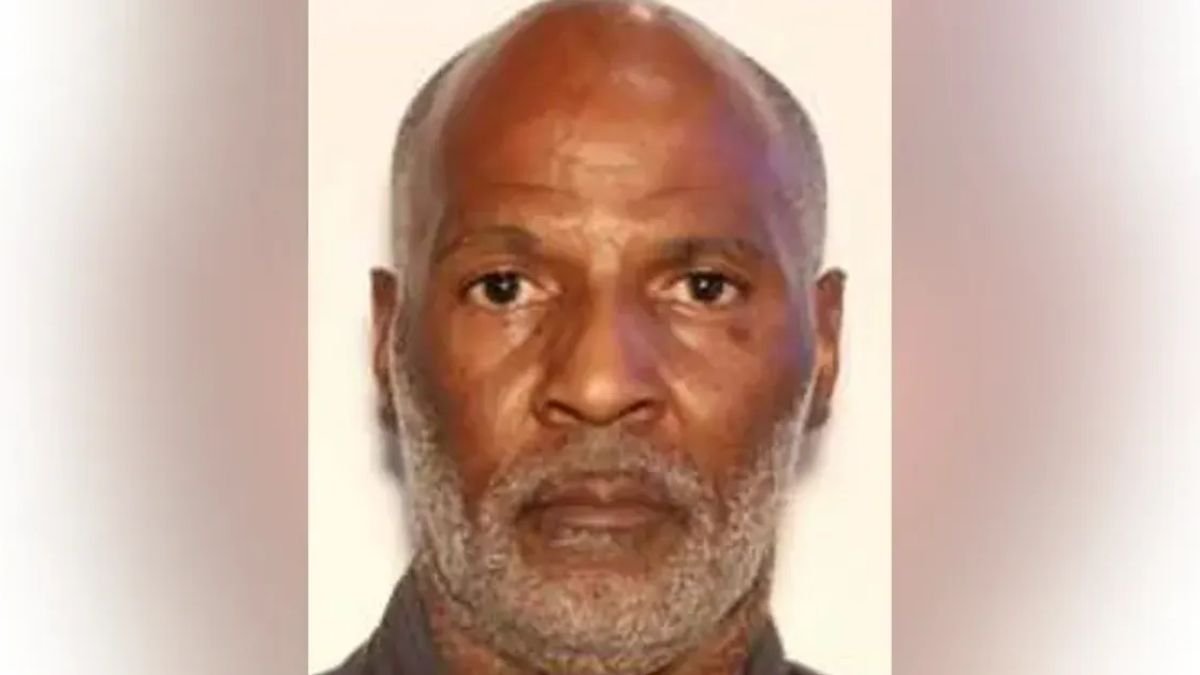
Deputies in metro Atlanta are searching for a convicted sex offender who authorities say fled during his trial.
According to officials, Gary Diggs, 61, was sentenced to life in prison by a Fulton County judge after being convicted of rape. Authorities said he is currently absconding from justice.
Fulton County Sheriff’s Office Calls Diggs High Risk
The Fulton County Sheriff’s Office described Diggs as a high-risk, violent Tier-3 sex offender.
Deputies said Diggs has a 30-year history involving rape convictions and is also known to have committed offenses connected to minors.
Diggs Failed to Return to Court
Investigators said Diggs failed to appear in court during one day of his recent trial and has not been located since.
Officials have not said where they believe he may be hiding.
Prior Convictions and Known Aliases
State records show Diggs was previously convicted in California in 1995 on two counts of rape with force or fear.
Authorities said Diggs has also used several aliases, including Gary Howard, Kerry Diggs and Red Howard.
Description of Wanted Fugitive
Diggs is described as being about 6 feet tall and weighing between 147 and 190 pounds.
Law enforcement officials are asking the public for help locating him.
Reward Offered for Information
Crime Stoppers Atlanta is offering a reward of up to $5,000 for information that leads to Diggs’ arrest.
Anyone who knows where Diggs may be is asked to contact authorities at 404-577-8477.
Fulton County deputies are searching for Gary Diggs, a convicted sex offender sentenced to life in a rape case after he failed to appear during his trial. Authorities consider him a high-risk fugitive and are urging anyone with information about his location to contact Crime Stoppers Atlanta.
GBI Arrests Former Washington City Council Member
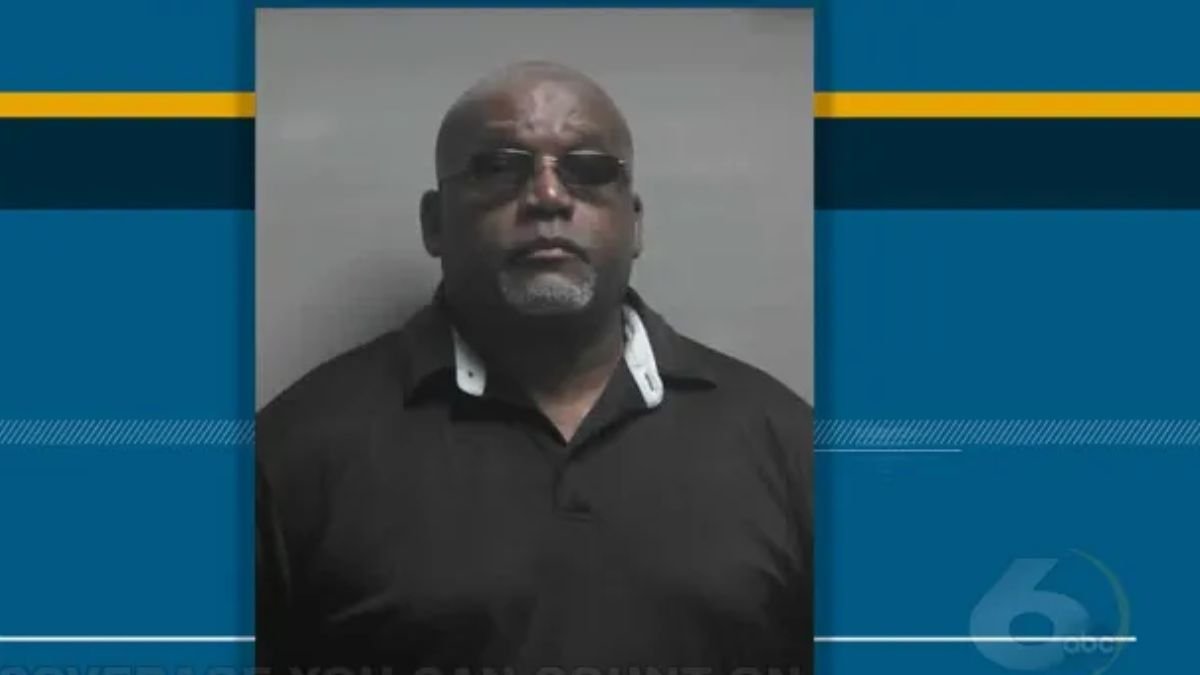
A former Washington City Council member was arrested Tuesday, according to confirmation from the Georgia Bureau of Investigation.
Nathaniel Cullars, 70, of Washington, Georgia, was taken into custody and charged with two counts of Prohibition on Nude or Sexually Explicit Electronic Transmissions and two counts of Distributing Obscene Material.
GBI Asked to Assist Investigation
According to the GBI, the Wilkes County Sheriff’s Office requested state investigative assistance on February 4, 2026.
The request was connected to allegations involving the alleged distribution of nude photographs by Cullars.
Cullars Booked Into Wilkes County Jail
Following the investigation, Cullars was arrested on June 23, 2026.
He was then booked into the Wilkes County Jail.
Investigation Remains Ongoing
Authorities said the case remains active and under investigation.
Anyone with information is asked to contact the GBI’s Regional Investigative Office in Thomson at 706-595-2575.
Nathaniel Cullars, a former Washington City Council member, is facing four charges after an investigation involving alleged nude photo dissemination. The GBI and Wilkes County authorities continue to investigate the case, and officials are asking anyone with relevant information to come forward.
Former Georgia Teacher Indicted on Nearly 30 Sex Crime Charges
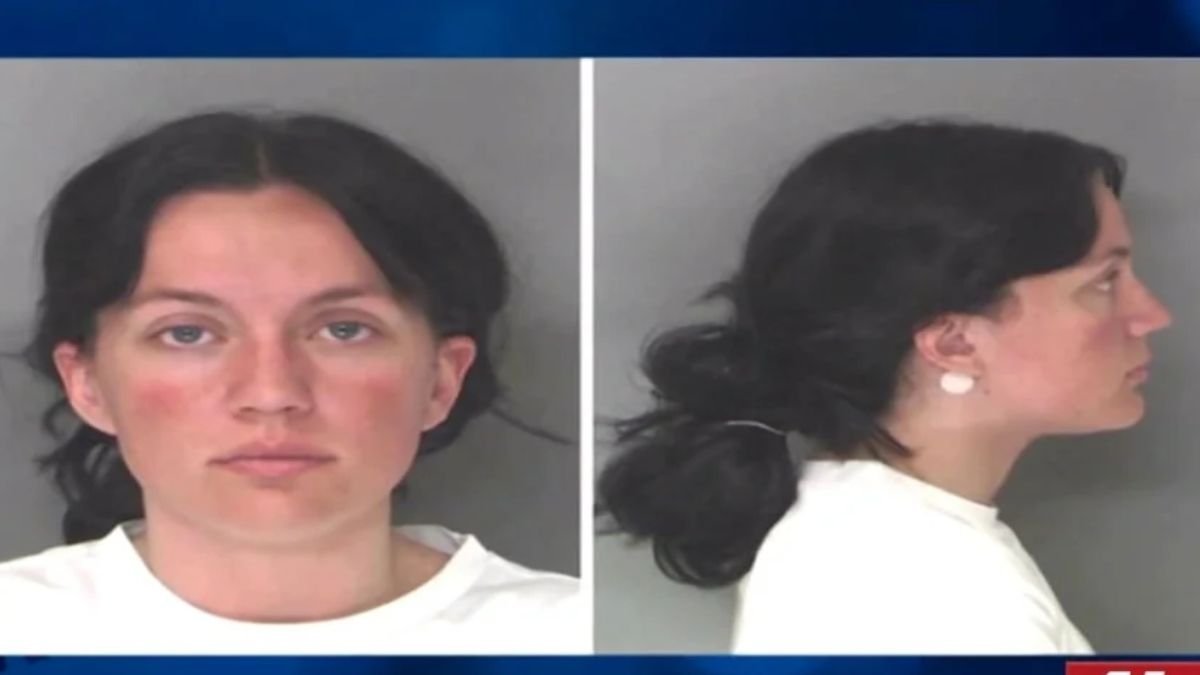
A former Alexander High School teacher is facing nearly 30 criminal charges after a Douglas County grand jury indicted her in connection with alleged sexual misconduct involving multiple students.
Maris Nichols has been charged with several counts, including first-degree improper sexual contact by an employee, sexual exploitation of children, grooming and child molestation.
Allegations Involve Multiple Students
According to the indictment, Nichols is accused of engaging in sexual acts with students both on school property and away from campus.
Prosecutors also allege that she helped record a minor involved in a lewd act.
Investigators said some of the alleged incidents happened inside a classroom closet and in a student’s truck.
Arrest Not Yet Announced
Authorities have not yet announced Nichols’ arrest.
Some neighbors have urged her to turn herself in to law enforcement as the case continues to draw attention in the community.
Nichols’ Mother Also Accused in Case
Channel 2 Action News reported that Nichols’ mother is also facing allegations tied to the investigation.
She is accused of trying to delete evidence from a cellphone and attempting to retrieve her daughter’s work laptop from the high school principal.
Family Connection Raises Questions
Officials confirmed that Nichols’ father works for the Douglas County Sheriff’s Office, though his position has not been publicly disclosed.
Some community members have raised concerns about whether that family connection could create a conflict of interest. However, the sheriff’s office has not indicated that the connection has affected the investigation.
Case Still Under Investigation
The investigation remains active, and authorities have not released all details connected to the case.
Maris Nichols, a former Alexander High School teacher, is facing nearly 30 charges after being indicted over allegations involving multiple students. The case includes accusations of improper sexual contact, exploitation, grooming and child molestation, while additional questions have been raised about alleged evidence tampering and a family connection to the sheriff’s office. The investigation remains ongoing.
First Full Weekend of Summer Brings Heat and Humidity to Georgia
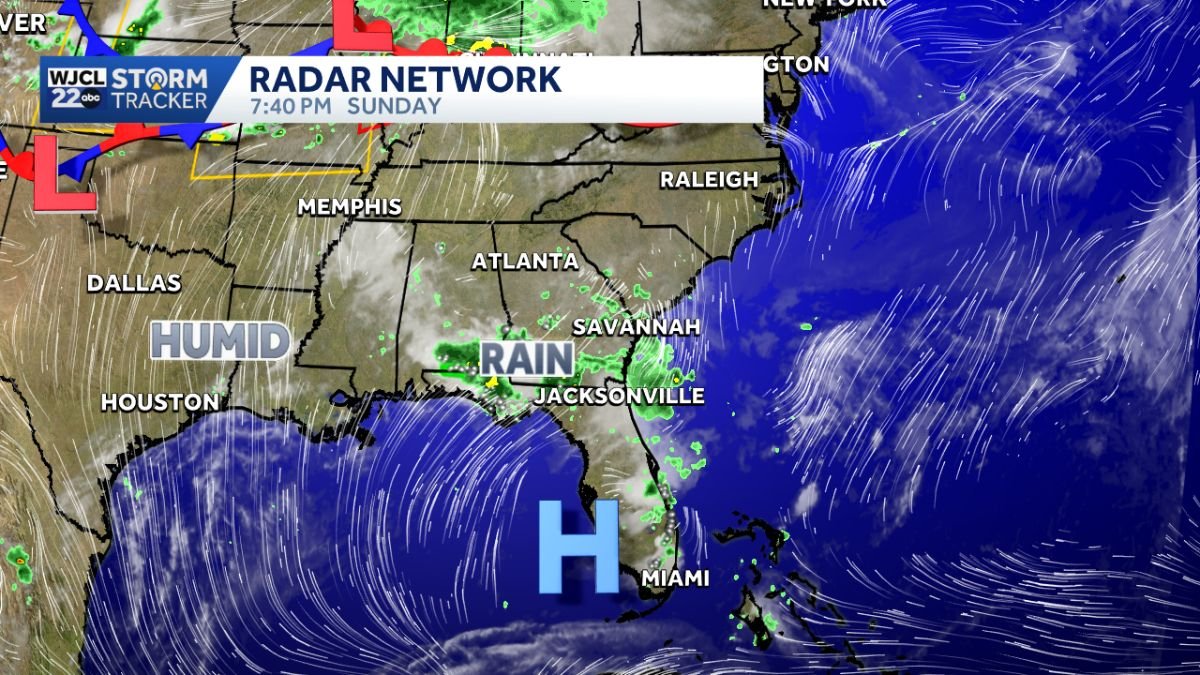
ATLANTA, Georgia — Anyone who has been waiting for summer weather in Georgia may feel it clearly this weekend.
As the state moves into the first full weekend after the summer solstice, the forecast pattern is expected to bring classic late-June conditions: rising temperatures, muggy air and heat index values that could climb above 100 degrees in some areas.
High Pressure to Drive Hotter Conditions
A broad area of high pressure is expected to develop just west of Georgia over the next several days.
That setup will help push temperatures above normal while also allowing humidity levels to increase. Many residents may be planning outdoor activities such as pool days, lake trips, cookouts or backyard gatherings, but the heat is likely to become the main weather concern through the weekend and into next week.
Humidity Will Make It Feel Hotter
The air temperature alone will be uncomfortable, but the humidity will make conditions feel even hotter.
Forecasters use the heat index to describe how hot it feels when temperature and humidity are combined. When more moisture is in the air, the body has a harder time cooling itself through sweating, which can make outdoor conditions more stressful.
Feels-Like Temperatures Near 100 Degrees
By Saturday and Sunday, heat index values are expected to reach the upper 90s across much of Georgia.
Some areas could see afternoon “feels-like” temperatures hit 100 degrees or slightly higher. Those triple-digit heat index readings may continue into early next week as the summer weather pattern becomes more established.
Classic Late-June Weather Pattern
The timing lines up with the seasonal shift.
The summer solstice officially marked the start of astronomical summer last week, and now Georgia’s weather is beginning to match the calendar. Longer daylight hours, strong sunshine and increasing humidity are combining to create a typical late-June setup across the state.
Limited Rain Means Less Heat Relief
Rain chances are expected to remain limited across much of Georgia.
While fewer storms may help outdoor plans, it also means fewer cooling showers or thunderstorms to bring relief from the heat. Without much rain, temperatures could continue building day after day.
Safety Tips for Outdoor Plans
Anyone spending long periods outdoors this weekend should take the heat seriously.
Drinking plenty of water, wearing lightweight clothing, resting in shaded areas and checking on older adults, children and other vulnerable people can help reduce the risk of heat-related illness.
Georgia is heading into a hot and humid summer pattern, with heat index values likely reaching the upper 90s and possibly topping 100 degrees in some areas. With limited rain chances and high pressure building nearby, residents should prepare for uncomfortable outdoor conditions through the weekend and into early next week.
National Park Staff Barred From Disclosing Visitor Deaths
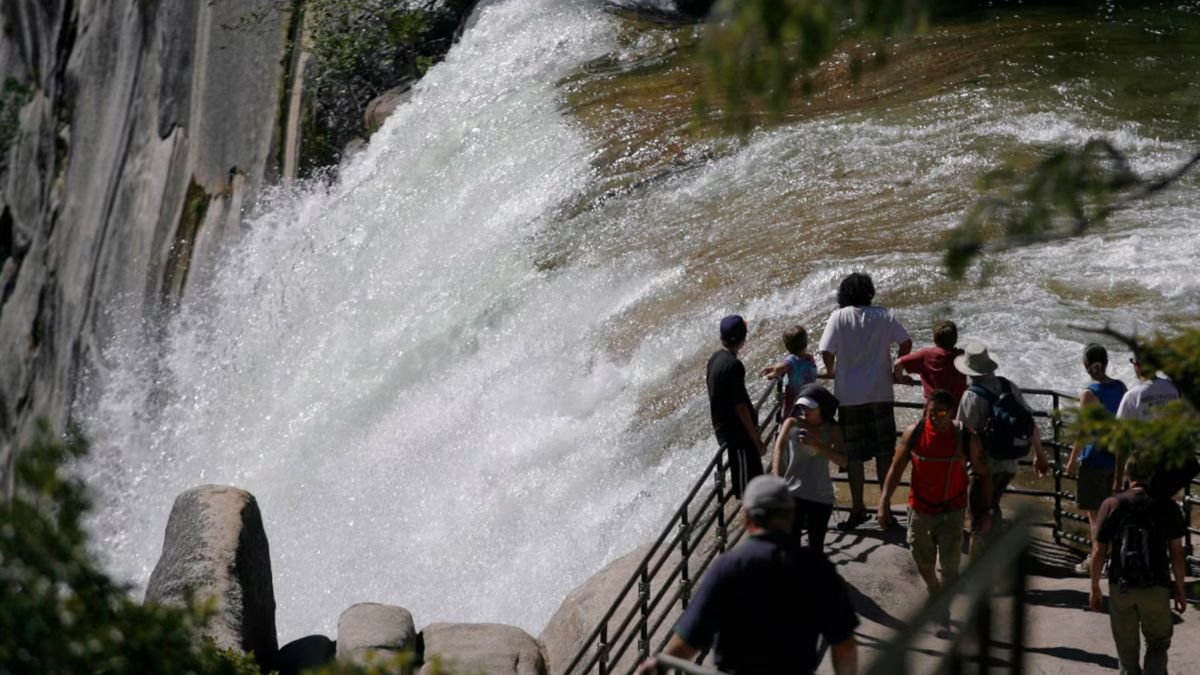
The Trump administration has introduced a new communications policy that restricts employees from confirming deaths or sharing details about serious injuries in national parks.
A December memo sent to staff at the Interior Department, which oversees the National Park Service, states that employees are no longer allowed to publicly confirm fatalities or provide details about major injury incidents that occur inside park areas.
The policy was recently revealed and represents a major shift from the department’s previous approach, which often provided public updates about deaths, injuries and safety hazards in national parks.
Change Marks Departure From Previous Disclosure Practices
The new guidance, first reported by The Washington Post, changes how the Interior Department handles public communications after fatal or serious incidents.
Previously, the National Park Service often issued news releases within days of a death, helping visitors understand potential dangers in specific areas.
Under the new policy, staff are reportedly instructed to use less specific language, such as saying that “an incident occurred,” with further information to be shared only when considered appropriate.
Recent Park Deaths Not Publicly Addressed by Interior Department
According to the report, four recent deaths in national parks had not been publicly mentioned by the Interior Department on its website or social media by Wednesday afternoon.
Those incidents included the drowning of a 17-year-old girl at Sequoia National Park, the death of a 23-year-old man who fell over a waterfall in Yosemite, a body discovered in the desert at Organ Pipe Cactus National Monument, and a motorcyclist who died in Great Smoky Mountains National Park.
Some of the incidents had been reported by media outlets with comments from the National Park Service.
National Park Deaths Occur Regularly
National Park Service data shows that about 350 people die in national parks each year, which averages to roughly seven deaths per week.
Because deaths and serious injuries can involve dangers such as extreme heat, waterfalls, wildlife, cliffs, trails or remote terrain, critics argue that timely public updates can play an important role in visitor safety.
Interior Department Defends the Guidance
Interior press secretary Aubrie Spady told The Washington Post that the guidance was created to provide a more consistent communications process across the department.
She said the policy is not meant to hide deaths or delay information.
In a separate statement to the Daily Beast, an Interior Department spokesperson rejected claims that the policy was designed to conceal information. The department said it remains committed to releasing timely and accurate information while making sure families are notified first.
The statement also said the department will continue to provide public safety information, news releases, statements and incident updates when appropriate, while considering investigations, privacy rules, next-of-kin notifications and family requests not to release identifying information.
Park Service Critics Warn of Safety Risks
Some current and former National Park Service employees have raised concerns about the policy.
Seven current and former employees who spoke anonymously to The Washington Post said that public reporting of deaths and serious injuries helps warn other visitors about dangerous areas.
Critics argue that withholding or delaying information could prevent visitors from making informed decisions about trail conditions, hazards or risky areas inside parks.
Former Yellowstone Superintendent Questions New Approach
Former Yellowstone National Park superintendent Dan Wenk said the long-standing practice was to provide as much accurate information as possible as quickly as possible after an incident.
He recalled that when a grizzly bear killed a person during his time at Yellowstone, media crews arrived quickly, and the public expected clear facts and answers.
Wenk said the goal was always to balance timely information with proper protocols.
Confusion Over Who Can Confirm Deaths
The new Interior Department document reportedly says only “appropriate authorities” can confirm a death.
However, the guidance does not clearly define who those authorities are.
That lack of clarity has raised questions among park staff and public communications officials about when and how death-related information can be released.
National Park Service Content Now Faces More Review
The National Park Service’s new communications review process was flagged earlier this year by National Parks Traveler.
A January email sent to public communications employees across the park system said that website and social media content must be completed by a Department of the Interior Office of Communications staff member unless the matter is urgently related to life, health or safety.
One park employee warned that the review process could affect both the speed and accuracy of information shared with the public, including information posted online and on social media.
Grand Canyon Deaths Raise Further Questions
Outdoor Magazine journalist Wes Siler also raised concerns in a Substack post about three deaths on the South Kaibab Trail in Grand Canyon National Park on June 12 and June 16.
According to Siler, the National Park Service did not issue a public alert or trail warning until June 19, after journalists requested information.
Siler questioned whether the delay may have affected later hikers or placed other visitors at risk by leaving them unaware that people had recently died on the trail.
The Interior Department’s new guidance on national park fatalities has sparked debate over transparency, family privacy and public safety. While officials say the policy is meant to standardize communications and protect families, critics inside and outside the National Park Service warn that delaying or limiting details about deaths and serious injuries could reduce public awareness of dangerous conditions in national parks.
Regions Bank Names New Leaders in Key Markets to Support Growth and Customer Experience
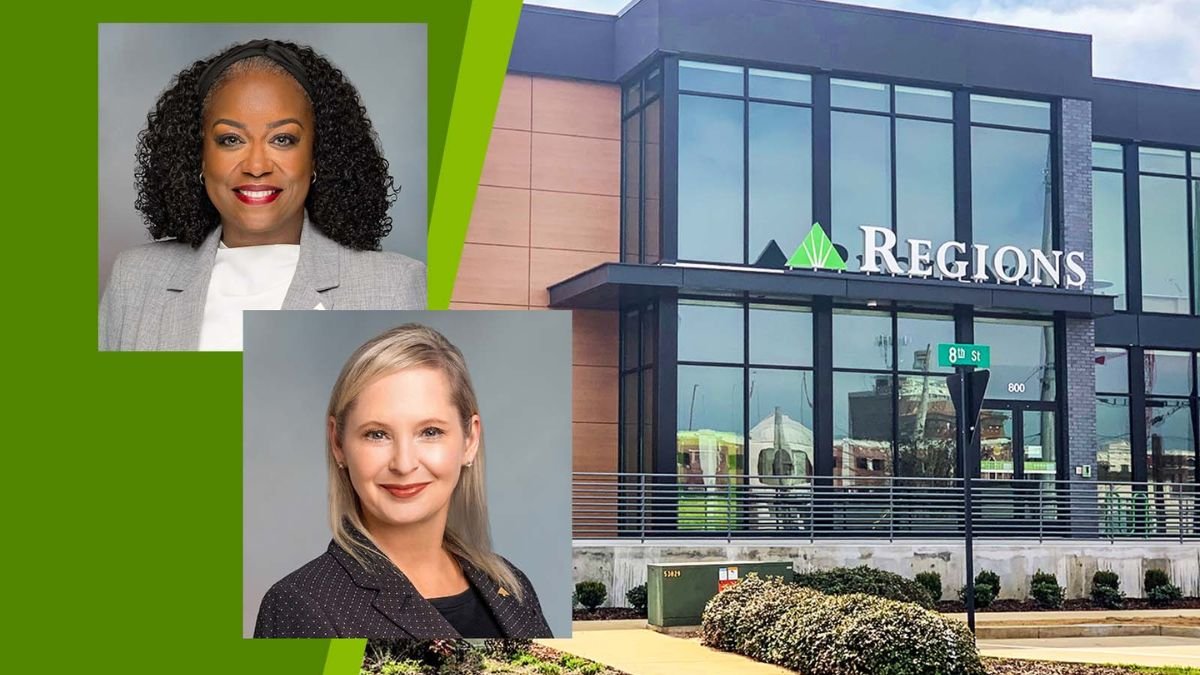
Regions Bank has announced two major leadership changes designed to support business growth in key Southeastern markets and strengthen service delivery across its full retail banking network.
Lisa Phillips will become Consumer Banking Executive for Georgia and the Carolinas, while Mia Hubbard will move into a broader role as Retail Service Delivery Manager for Regions’ entire branch network.
The appointments will take effect on July 6.
Lisa Phillips to Lead Consumer Banking in Georgia and the Carolinas
Lisa Phillips will oversee consumer banking performance and growth across Georgia, North Carolina and South Carolina.
Her new role includes responsibility for important and fast-growing markets such as Atlanta, Charlotte, Charleston, Columbia, Greenville, Spartanburg and Raleigh.
Phillips will be based in Atlanta and will focus on expanding customer relationships while supporting households, individual consumers and small-business clients with strategic and personalized service.
Phillips Brings Longtime Regions Experience
Phillips has been with Regions since 2000, when she joined the company as a branch manager.
Over the years, she has held several leadership positions within the bank. Most recently, she served as Consumer Banking Executive for Regions’ retail operations in Arkansas and Louisiana.
Regions said her successor for Arkansas and Louisiana will be announced soon.
Mia Hubbard to Oversee Retail Service Delivery
Mia Hubbard, who previously led consumer banking across Georgia and the Carolinas, will now guide Service Delivery across Regions’ full retail branch network.
Her role will cover more than 1,200 branch locations across the bank’s 15-state footprint, which includes the Southeast, Midwest and Texas.
Hubbard’s work will focus on improving service consistency, supporting community outreach and strengthening Regions’ efforts tied to Community Reinvestment Act and Fair Lending initiatives.
Hubbard’s Career Began as a Teller
Hubbard has more than 25 years of experience with Regions.
She started her career as a teller in East Point, Georgia, and gradually moved into branch management and regional leadership roles.
In recent years, she has helped guide strategies and services for Regions branches across Georgia, North Carolina and South Carolina.
Focus Areas for Service Delivery
In her new position, Hubbard will work with leaders across Consumer Banking, Community and Market Engagement, Risk, Compliance and Operations.
Her priorities will include strengthening personalized service across branches, supporting fair and responsible banking practices, aligning with regulatory expectations and using customer feedback, insights and analytics to guide future branch improvements.
Regions Leadership Highlights Customer Commitment
John Jordan, head of Retail for Regions, said the appointments reflect the bank’s focus on delivering trusted service and expanding its reach.
Jordan said Regions takes its responsibility to customers and communities seriously. He noted that the right financial solution at the right time can help consumers and small-business owners reach important goals.
He added that Regions aims to be available when and where customers need support, offering trusted advice, responsible financing and convenient banking services.
How Regions Supports Customers
Regions combines digital banking tools with in-person branch support. Customers can complete many everyday transactions online or through mobile tools while still working with local bankers for more complex financial needs.
The bank also offers Regions Greenprint® plans, which provide consumers with a personalized financial roadmap at no cost.
Regions Recognized for Digital Banking
Regions was ranked No. 1 among regional banks in the J.D. Power 2026 U.S. Online Banking Satisfaction Study, marking the sixth time in seven years the bank earned the top ranking.
Regions also ranked No. 2 among regional banks in the J.D. Power 2026 U.S. Banking Mobile App Satisfaction Study, improving by four positions from the previous year.
Ongoing Investment in Branches
Regions is also carrying out a multi-year strategy to renovate existing branches and build new locations.
The goal is to improve customer access and enhance the in-person banking experience across the company’s network.
About Regions Financial Corporation
Regions Financial Corporation, listed on the New York Stock Exchange under the ticker RF, has $161 billion in assets and is part of the S&P 500 Index.
The company is one of the largest full-service providers of consumer banking, commercial banking, wealth management, mortgage products and financial services in the United States.
Through Regions Bank, the company operates more than 1,200 banking offices and over 1,750 ATMs across the South, Midwest and Texas. Regions Bank is an Equal Housing Lender and Member FDIC.
Regions Bank’s appointment of Lisa Phillips and Mia Hubbard reflects the company’s continued focus on growth, customer service and community banking. Phillips will lead consumer banking expansion across Georgia and the Carolinas, while Hubbard will support consistent service delivery across the bank’s full 15-state retail branch network.
Conservative Georgia Radio Host Backs Jon Ossoff for U.S. Senate
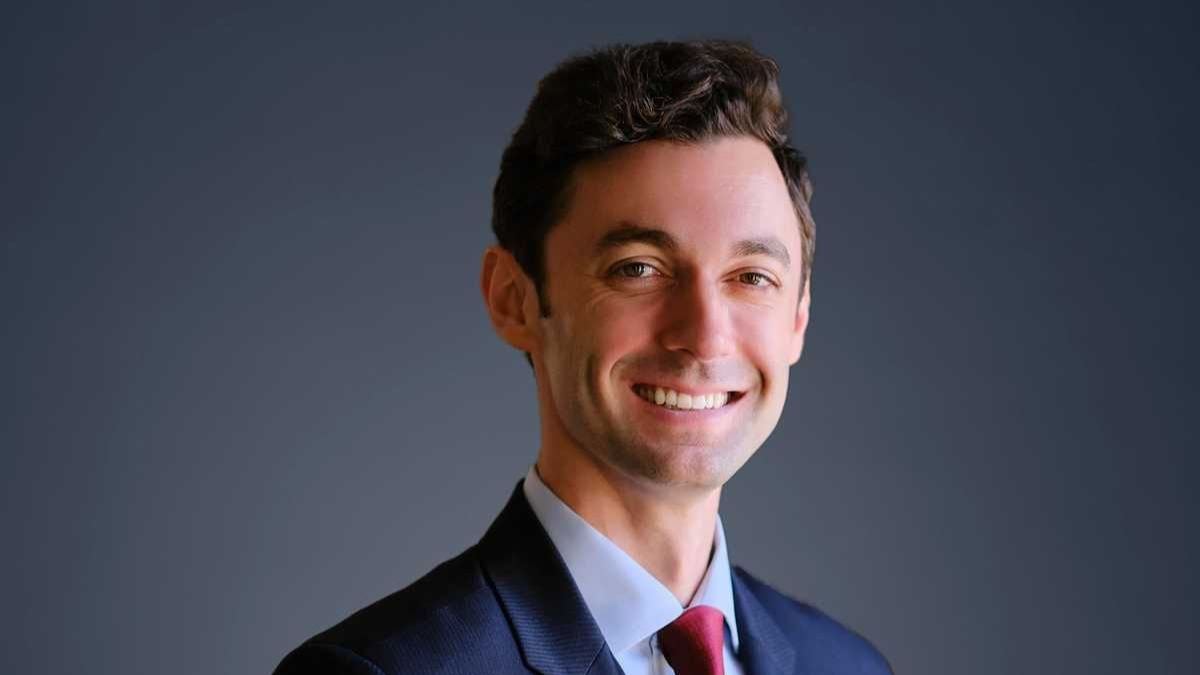
A conservative Georgia radio host has followed through on a public promise and is now supporting Democratic U.S. Sen. Jon Ossoff in Georgia’s closely watched Senate race.
Shelley Wynter, host of The Shelley Wynter Show on 95.5 WSB in Atlanta, endorsed Ossoff during a June 17 interview with the senator. The endorsement came one day after Republican U.S. Rep. Mike Collins defeated former college football coach Derek Dooley in the GOP Senate runoff.
Wynter had supported Dooley throughout the Republican primary season.
Wynter Says He Is “Team Ossoff”
After speaking with Ossoff on air, Wynter said he would support the senator for the rest of the summer and use his show to help push for Ossoff’s re-election.
Wynter said he views re-election campaigns like a job interview and argued that he had not seen anything from Ossoff that would justify removing him from office.
The endorsement marks a major ideological shift for Wynter, who describes himself as a Black conservative and has long been associated with conservative commentary in Georgia.
Senate Race Expected to Draw National Attention
Georgia’s Senate race is expected to be one of the most closely watched contests in the country.
President Donald Trump has strongly supported Collins, and control of Congress could depend in part on whether Republicans can flip Ossoff’s currently Democratic-held seat.
Why Wynter Turned Against Mike Collins
Wynter said his decision was driven by concerns about Mike Collins’ character and campaign conduct.
After Georgia’s Republican Senate primary in May, Collins and Dooley advanced as the top two candidates. Collins had led polling for weeks, while Dooley, backed by Gov. Brian Kemp, gained momentum late in the race.
During the runoff, Collins faced criticism from within his own party after one of his staffers made comments about a woman who had died by suicide. The staffer was later fired. Collins also repeatedly said he was proud of his staff and campaign.
The same staffer had previously been connected to a House Ethics investigation involving Collins, after Collins was accused of paying the staffer’s girlfriend despite no evidence that she performed work for his office.
Wynter Had Warned He Would Vote for Ossoff
At the end of May, Wynter criticized Collins on air, saying Collins had lost his moral center and describing his campaign conduct as unacceptable.
Wynter said if Dooley did not become the Republican nominee, he would vote for Ossoff instead. He said the style of campaigning he saw from Collins would never earn his support.
Dooley later lost the runoff after facing his own controversy involving allegations of pay-to-play politics connected to Kemp’s early years as governor.
Collins also received Trump’s endorsement just days before the runoff, helping consolidate support from Georgia’s MAGA voters.
Ossoff Criticizes Collins During Interview
During the June 17 interview, Ossoff said character and integrity matter in the race.
He sharply criticized Collins, calling him extreme and accusing him of holding positions that are wrong for Georgia. Ossoff said Collins supports war, tariffs and health care cuts, and added that Collins only became a congressman because his father had also served in Congress.
Ossoff Lays Out Campaign Priorities
Ossoff used the interview to highlight several issues he said he would focus on if re-elected.
He said he wants to prevent rural Georgia hospitals from closing, improve access to global markets for peanut farmers, reform the state’s foster care system, limit AI data center development and fight rising costs for Georgia residents.
Wynter said he had not heard candidates on the campaign trail discussing those issues and asked Ossoff why the race had focused on topics that may not directly affect Georgia voters.
Ossoff responded that the Republican runoff had largely become an attempt to win Trump’s approval rather than a campaign centered on Georgia issues.
Wynter Formally Endorses Ossoff
By the end of the 22-minute interview, Wynter said he was keeping his promise to support Ossoff against Collins.
He said he agreed with Ossoff on the major issues, despite having some smaller disagreements. Wynter then formally announced that The Shelley Wynter Show was endorsing Jon Ossoff for re-election.
Ossoff Campaign Calls Endorsement a Blow to Collins
Ossoff’s campaign described Wynter’s endorsement as a major setback for Collins’ effort to unite Republican and conservative voters.
The campaign also noted that Ossoff quickly appeared alongside Democratic gubernatorial nominee Keisha Lance Bottoms after the May primary, while Collins and Republican gubernatorial candidate Rick Jackson had not yet appeared together.
Trump had endorsed Jackson’s opponent, Burt Jones, in the gubernatorial race.
Shelley Wynter’s endorsement of Jon Ossoff adds a surprising twist to Georgia’s Senate race. After backing Derek Dooley in the Republican primary, Wynter said Mike Collins’ campaign conduct pushed him away from the GOP nominee. With Trump supporting Collins and Ossoff defending a Democratic-held seat, the race is expected to remain one of the most important Senate contests in the country.
Georgia Legislature Ends Special Session With Bill Delaying QR Code Ballot Ban, No Action on Property Taxes
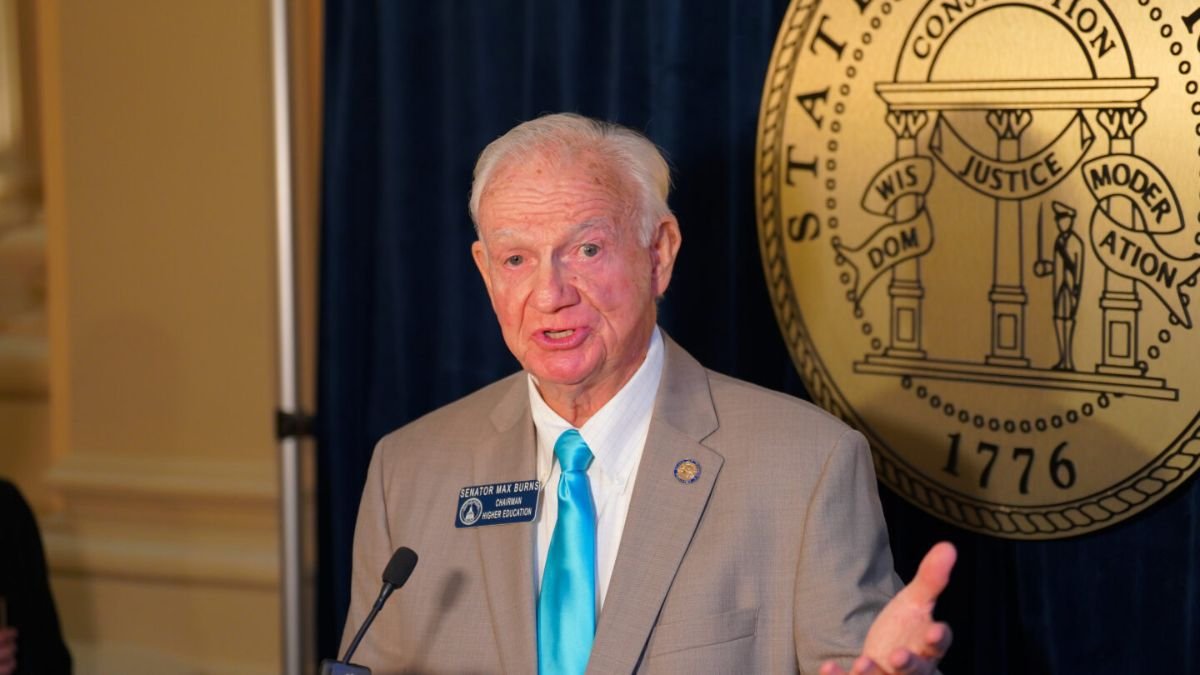
The Georgia legislature passed a bill Tuesday that would continue the use of QR codes on ballots until 2028 and require hand recounts in certain close statewide races.
The measure applies to statewide offices such as governor, lieutenant governor and other state-level positions. It does not apply to federal races, including presidential elections.
The bill passed the House by a vote of 94 to 79 and cleared the Senate by a vote of 36 to 16.
Bill Narrowed Before Final Vote
Earlier Tuesday, a Georgia House committee reduced the scope of the controversial elections proposal.
An earlier version would have required hand recounts of the top two races on a ballot under all circumstances before election certification. The revised version of Senate Bill 3EX limits hand recounts to the top two statewide races only when the margin is within 0.5%.
Under the current version, the recount must be completed within 17 days. If signed into law by Gov. Brian Kemp, the changes would take effect immediately.
QR Code Ballot Deadline Moved to 2028
The special legislative session ended Tuesday and was called in part because of a 2024 election law that would have banned QR code ballots starting in July.
Lawmakers failed to pass a replacement voting system during the regular legislative session this year, creating urgency around the issue.
Senate Bill 3EX moves the QR code ballot deadline to 2028, giving the state more time to develop a new election system.
Advisory Committee Would Recommend New Voting System
The bill also creates an advisory committee tasked with recommending a new election system for lawmakers to consider during the 2027 legislative session.
Members of the committee would be appointed by the governor, the Senate Committee on Assignments and the speaker of the House.
The House committee also added language requiring the advisory committee to make recommendations specifically for hand-marked paper ballots produced through ballot-on-demand printing.
Supporters Say Bill Could Build Voter Confidence
State Sen. Max Burns, a Republican from Sylvania and the bill’s author, said the measure is intended to improve confidence in Georgia elections.
Burns argued that Georgia has historically used both manual and machine counting, and that the two methods can work together to verify final results.
After the bill was amended, Burns said he supported the changes, noting that legislative negotiations rarely give every side everything it wants. He said the final version landed in a place that makes sense for Georgia.
Critics Warn Hand Counting Could Cause Problems
Advocates and Democratic lawmakers raised concerns about the bill during a Monday committee hearing.
Opponents argued that hand recounts could delay certification, increase costs and produce less accurate results.
Brittany Burns, an organizer with the Black Voters Matter Fund, said hand counting is more error-prone, more expensive and slower than machine counting. She warned it could delay election results and create certification challenges.
Some Democrats Supported Bill Despite Concerns
Although many Democrats opposed hand counting, some voted for the bill because they wanted the state to avoid confusion over its voting system after the July QR code deadline.
Senate Minority Leader Harold Jones said the special session was generally successful. He said some Senate Democrats supported SB 3EX because failing to act could have created chaos if Georgia had no clear election system after the QR code deadline.
Still, Jones indicated that support for the bill was not without discomfort.
Democrats Still Object to Hand Recounts
Several Democrats remained strongly opposed to the bill, especially its hand recount provision.
State Rep. Gabriel Sanchez, a Democrat from Smyrna, said hand recounts are likely to produce different results from the original count, not because of fraud, but because thousands of people would be manually counting millions of ballots.
Other Democrats argued the proposal was connected to continued disputes over the 2020 presidential election and claims made by President Donald Trump about Georgia voting machines.
State Rep. Jasmine Clark, a Democrat from Lilburn, said lawmakers were spending time revisiting 2020 election denial claims and presenting them as election integrity.
Concerns Raised About Advisory Committee Makeup
Some Democrats also questioned whether the election advisory committee would include enough bipartisan representation.
State Rep. Stacey Evans, a Democrat from Atlanta, asked why the bill did not require intentional bipartisan balance or recommendations from the minority party.
State Rep. Victor Anderson, a Republican from Cornelia and chairman of the House Governmental Affairs Committee, said he trusted House Speaker Jon Burns to make bipartisan appointments. Anderson said House study committees typically include members from both parties and that he believed the speaker would handle appointments appropriately.
Local Homestead Tax Referendums Fail to Advance
Another issue Gov. Kemp placed on the special session agenda involved local referendums on homestead tax exemptions for November ballots.
Earlier this year, Kemp signed Senate Bill 33, allowing local governments to increase sales taxes to fund property tax relief through a homestead exemption. The tax is called a Local Homestead Option Sales Tax, and residents would need to approve an exemption through a majority vote in a referendum.
Republicans argued voters should be allowed to decide whether to place these local property tax measures on the ballot.
State Sen. Bo Hatchett, a Republican from Cornelia, said lawmakers should let residents vote and have a seat at the table.
However, lawmakers did not reach the required two-thirds majority needed to place the referendums on local ballots.
State Rep. David Wilkerson, a Democrat from Powder Springs, opposed the idea, saying the proposal would have created a new sales tax on food and everyday purchases. He argued tax relief should not come through creating another tax.
Georgia lawmakers passed Senate Bill 3EX to extend QR code ballot use until 2028 and require limited hand recounts in close statewide races. Supporters say the measure gives the state time to plan a new voting system and could increase election confidence. Critics warn hand counting may be costly, slow and less accurate. Meanwhile, lawmakers failed to advance local homestead tax exemption referendums during the special session.