Flood Watch and Strong Storms Expected Saturday Across Northeast Florida and Southeast Georgia

Saturday is expected to bring cloudy skies, scattered showers, and thunderstorms across much of Florida and Southeast Georgia. For some areas, flooding is already becoming a serious concern.
Showers are forecast to move east out of the Suwannee Valley, leading to more widespread thunderstorm development from I-75 toward the Atlantic Coast.
Main Storm Threats
The strongest storms could bring several hazards, including gusty winds between 40 and 50 mph, frequent lightning, and heavy rain.
Some areas may see localized rainfall totals of 2 to 3 inches, especially where storms move slowly or repeatedly pass over the same locations.
Storms are expected to move off the Atlantic Coast late in the afternoon. However, scattered showers may continue through sunset and into the late evening hours.
Flood Watch in Effect for Southeast Georgia
Flooding remains a major concern in Southeast Georgia, where a Flood Watch is in effect until 11 p.m.
The ground is already saturated after 4 to 10 inches of rain fell across the region on Friday. Because of that, any additional heavy rain could quickly worsen flooding problems.
Thunderstorms on Saturday may produce 2 to 3 inches of rain per hour in some locations, especially along and north of U.S. Highway 82, where flood conditions could become more dangerous.
Saturday Temperatures and Winds
Cloud cover will keep temperatures slightly lower than usual on Saturday afternoon. Most inland areas are expected to reach the upper 80s, while temperatures near the I-95 corridor and across north-central Florida may climb to around 90 degrees.
Winds will come from the west at 5 to 10 mph before shifting west-northwest later in the afternoon.
Sunday Starts Summer With Dangerous Heat
Sunday marks the first day of summer, and temperatures are expected to reflect that seasonal shift.
Highs are forecast to reach the mid-90s, making the longest day of the year feel extremely hot. Heat index values could climb into the triple digits, with some locations feeling as hot as 107 degrees.
Saturday’s weather will bring strong storms, heavy rain, and flooding concerns to Northeast Florida and Southeast Georgia, especially in areas already soaked by Friday’s rainfall. While storms should gradually move offshore later in the day, scattered showers may linger into the evening. By Sunday, the focus shifts from flooding to intense summer heat, with feels-like temperatures potentially reaching dangerous levels.
Federal Officials Drop Plans for 10,000-Detainee Center in Georgia
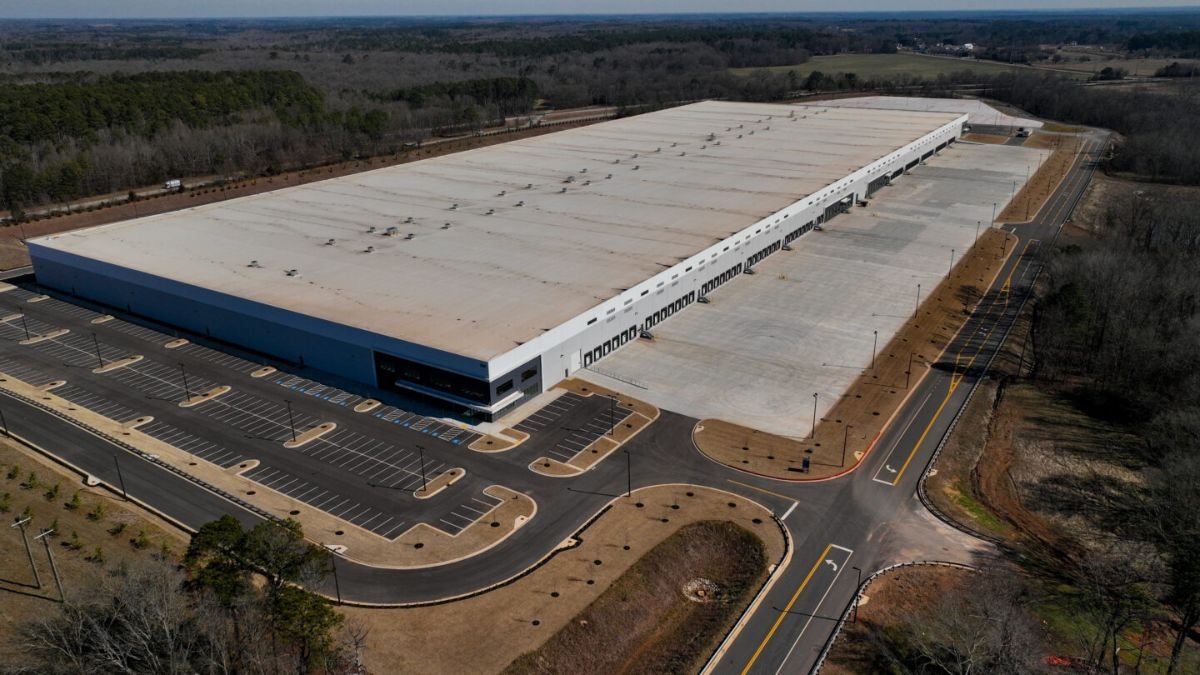
Plans to build a large federal immigration detention center in Social Circle, Georgia, have been canceled after months of strong local opposition and a lawsuit from the city.
Officials confirmed Friday that the Department of Homeland Security is no longer moving forward with its proposal to convert a massive warehouse on East Hightower Trail into a detention mega-center.
The facility had been expected to hold up to 10,000 immigration detainees, a number that alarmed residents and local leaders because of the city’s small size and limited infrastructure.
DHS Bought the Property for More Than $128 Million
The decision comes about four months after DHS purchased the land for more than $128 million.
The proposed detention center would have dramatically increased the number of people in Social Circle almost overnight. Local officials argued that placing 10,000 detainees inside a warehouse not designed for human habitation would have placed an enormous burden on the community.
City Manager Eric Taylor said the proposal would have effectively tripled the city’s population without properly considering the impact on residents, public services, roads, utilities, and overall quality of life.
City Filed Lawsuit to Stop the Project
Social Circle also filed a lawsuit in an effort to block the plan. City leaders raised major concerns about infrastructure, especially sewage capacity.
Taylor said the proposed facility would have required more than one million gallons of sewage processing per day, while the city’s sewer plant could only process 650 gallons per day and was already operating at capacity.
After learning the project had been canceled, Taylor described the decision as great news for the community.
Lawmakers From Both Parties Opposed the Facility
The fight against the detention center brought together officials from both political parties.
Democratic U.S. Senators Raphael Warnock and Jon Ossoff, along with Republican Rep. Mike Collins, were involved in efforts to oppose the project.
Warnock said the public pressure made federal officials in the Trump/Vance administration nervous. He also suggested that the administration had treated Social Circle’s concerns as an inconvenience rather than a serious community issue.
Taylor said he was relieved to see people across the political spectrum unite around protecting the city from the proposed project.
DHS Defends Its Immigration Detention Strategy
When asked about the facility, DHS said its priority remains removing serious criminal immigration offenders from the United States.
In its statement, the department said it is focused on finding the best ways to carry out removals quickly and argued that people arrested for serious crimes should not remain housed on U.S. soil at taxpayer expense.
DHS also said it is moving quickly to use existing detention space through partnerships with state and county agencies.
Questions Remain About the Property
Although the Social Circle project has been canceled, several questions remain unanswered.
Federal officials did not explain what caused the sudden reversal. They also did not say whether the warehouse property will be sold, transferred to another federal agency, or used for another purpose.
It is also unclear how much the lawsuit and community opposition influenced DHS’s final decision.
The cancellation of the proposed Social Circle ICE detention center marks a major victory for local residents, city leaders, and lawmakers who opposed the project. Concerns over infrastructure, population impact, sewage capacity, and the use of a warehouse to hold thousands of detainees fueled months of resistance. While DHS says it will rely on existing detention space, the future of the costly Social Circle property remains uncertain.
DHS Drops Plan to Turn Georgia Warehouse Into Detention Mega Center, City Says

The Trump administration is stepping back from its plan to turn a warehouse in Social Circle, Georgia, into a large immigration detention center, only four months after confirming that the federal government had purchased the property.
In a statement released Thursday, the City of Social Circle said it had been notified by Congressman Mike Collins that the Department of Homeland Security is no longer moving forward with plans for an ICE detention facility inside the city.
Facility Was Expected to Hold Thousands of Detainees
The original plan for the warehouse was massive. According to earlier facility details, the site could have held up to 10,000 immigration detainees, nearly twice the full population of Social Circle.
The project also would have brought an estimated 2,000 to 2,500 employees to the area, raising concerns about whether the small city’s infrastructure could handle such a major federal operation.
Federal Government Paid $128.5 Million for the Property
Property records show the federal government paid $128.5 million for the warehouse. That price was more than four times higher than the $29.3 million the property sold for in 2023.
City officials said it is not yet clear whether the government will sell the site or use it for another purpose. However, local leaders said they hope the property eventually returns to private ownership and contributes again to the city’s local tax base.
The city said it wants the property to support the economic strength and long-term success of the Social Circle community.
Georgia Senators Welcome the Decision
The announcement was praised by Georgia’s two Democratic U.S. senators, Jon Ossoff and Raphael Warnock, both of whom had strongly opposed the warehouse detention plan from the beginning.
Ossoff said the Social Circle community had been united against the proposal, arguing that it could have overwhelmed the city’s infrastructure. He added that the outcome showed the power of public pressure and organized local opposition.
Strong Local Opposition in a Trump-Friendly County
The detention center proposal quickly triggered strong opposition in Social Circle, even though the city is located in a politically conservative county.
President Donald Trump won more than 70% of the vote there in the 2024 presidential election, but many residents and local leaders still pushed back against the plan because of its size and possible impact on the community.
DHS Reportedly Scrapping Multiple Warehouse Plans
The Social Circle reversal comes as DHS is reportedly abandoning plans to convert seven recently purchased warehouses into immigration detention facilities.
According to a report from The New York Times, those warehouse projects stretched from Roxbury, New Jersey, to Salt Lake City, Utah.
The broader plan had been part of a more than $700 million program aimed at expanding immigration detention capacity.
DHS Reviewing Detention Expansion Strategy
A source told CNN in April that DHS began reconsidering the warehouse detention expansion program after Markwayne Mullin succeeded Kristi Noem as Homeland Security secretary.
However, the administration has not publicly provided detailed information about what will happen next with the program.
In a statement to CNN on Friday, a DHS spokesperson said the department remains focused on removing serious criminal immigration offenders from the United States and is reviewing the best ways to do that. The spokesperson said DHS is moving quickly to use existing detention space with state and county partners rather than housing detainees in newly converted warehouse facilities at taxpayer expense.
Lawsuits Target Several Warehouse Projects
Several proposed warehouse detention sites, including the one in Salt Lake City, have faced lawsuits seeking to block the projects.
As of Friday, the federal government had not filed court documents in those pending cases confirming that it planned to abandon the warehouse conversions. Because of that, officials and opponents in affected communities are continuing to watch closely.
Utah Officials Remain Cautious
The Utah Democratic Party said it had not yet seen documentation proving that DHS had changed its plans for the Salt Lake City warehouse.
In a statement, the party criticized the decision to buy and potentially abandon or sell the facilities, calling it financially reckless and unfair to taxpayers. The party also said Salt Lake City is home to immigrants, refugees, and families, and argued that mass detention facilities do not belong in the community.
A spokesperson for the Salt Lake County mayor’s office, Eric Biggart, also said Friday that the office had not received direct confirmation from DHS about the facility. However, he said the county hoped the reports were accurate and would support DHS selling the warehouse.
Oakwood, Georgia Opponents Also Waiting for Proof
Similar caution remains in Oakwood, Georgia, about 40 miles from Social Circle, where another warehouse had been planned as a detainee processing center.
Local attorney Ari Mathé, who has helped lead opposition to the Oakwood project, said residents will not fully believe the plan has been dropped until there is an official statement and a legitimate new owner or tenant moves into the property.
The Trump administration’s decision to step away from the proposed Social Circle ICE detention center marks a major victory for local opponents who argued the facility would overwhelm the small Georgia city. Still, many questions remain about the future of the $128.5 million property, the broader federal warehouse detention strategy, and similar projects in places such as Salt Lake City and Oakwood. Until DHS provides clearer documentation and final decisions, affected communities are likely to remain cautious.
Georgia’s Most Iconic Food Revealed in New Ranking

Peaches, pecan pie, and barbecue may be strongly connected to Georgia, but a new national food ranking has chosen a different state favorite as Georgia’s most iconic dish: boiled peanuts.
A recent Food Network roundup highlighting the signature food of every state named boiled peanuts as Georgia’s standout culinary symbol. Although Georgia is widely known as the Peach State, the ranking suggests that boiled peanuts may better represent the state’s food culture.
A Southern Snack With Deep Georgia Roots
For many longtime Georgians, the choice is not surprising. Georgia is one of the top peanut-producing states in the country, and peanuts are officially recognized as the state crop.
Across Georgia, boiled peanuts can be found at country stores, gas stations, roadside stands, festivals, and local markets. Served hot in salty, steaming bags, the snack has been part of Southern food tradition for generations.
What Makes Boiled Peanuts Different?
For anyone unfamiliar with boiled peanuts, the texture can be unexpected. Unlike crunchy roasted peanuts, boiled peanuts are cooked in salted water until they become soft, tender, and flavorful.
The result is a snack that people often either love immediately or need time to understand. Either way, boiled peanuts tend to inspire strong opinions.
History of Boiled Peanuts
According to Food Network, boiled peanuts have been part of Southern food culture since at least the 1800s. Farmers once relied on them as an affordable, filling snack during long workdays.
Today, that tradition continues across Georgia. Vendors and restaurants still serve classic salted boiled peanuts, while many also offer Cajun-spiced and other flavored versions.
The ranking also highlighted Finch & Fifth in Augusta, where boiled peanuts remain a popular appetizer throughout the year.
A Food That Feels Like Georgia
Some Georgians may argue that peach cobbler, fried chicken, Brunswick stew, pecan pie, or barbecue deserve the title of the state’s most iconic food. Still, boiled peanuts have a strong emotional connection to Georgia life.
They bring back images of summer road trips, SEC football weekends, roadside stands, and small-town highways. For many people across the state, few foods feel more tied to Georgia tradition than a warm bag of boiled peanuts.
Food Network’s decision to name boiled peanuts Georgia’s most iconic food may spark debate, but the choice reflects the snack’s deep connection to the state’s agriculture, roadside culture, and Southern identity. Whether served plain, salty, spicy, or Cajun-style, boiled peanuts remain one of Georgia’s most recognizable and nostalgic foods.
A Man Kidnapped and Raped a 5-Year-Old Georgia Girl. This Is When He’ll Die

Alabama Governor Kay Ivey has scheduled the execution of Jeremy Williams, a man convicted in the kidnapping, sexual assault, and killing of a 5-year-old girl from Georgia.
Williams, now 40 years old, was sentenced to death after being found guilty on four counts of capital murder in connection with the December 2021 death of Kamarie Holland.
According to the governor’s execution order, Williams is set to be executed by lethal injection on Thursday, August 13.
Williams Has Been on Death Row Since 2024
Williams has spent the past two years on death row following his 2024 trial. Although he pleaded guilty to the charges, Alabama law requires a jury verdict in any case where prosecutors seek the death penalty.
Because of that requirement, the case still proceeded to trial. Jurors deliberated for about 90 minutes before finding Williams guilty on all charges.
Kamarie Holland Reported Missing in December 2021
Kamarie’s mother reported her missing on December 13, 2021. Investigators later said the case revealed that Kristy Siple had trafficked her daughter to Williams in exchange for money.
Prosecutors said Williams sexually assaulted and strangled the child. His guilty plea and later jury conviction led to the death sentence.
Victim Impact Statement Read at Sentencing
Before Williams was formally sentenced in 2024, Kamarie’s father read victim impact statements in court.
According to WTVM, he addressed Williams directly, saying Williams did not deserve life after what happened to Kamarie. He said the family no longer had Kamarie, and Williams did not deserve to see his own children or continue living his life.
Jeremy Williams is scheduled to be executed on August 13 after being convicted in the kidnapping, sexual assault, and murder of 5-year-old Kamarie Holland. The case, which began with her disappearance in December 2021, led to a guilty plea, a required jury trial, and a death sentence. Alabama officials have now moved forward with setting his execution date by lethal injection.
Trees Down and Roads Blocked as Arthur’s Remnants Move Through South Georgia
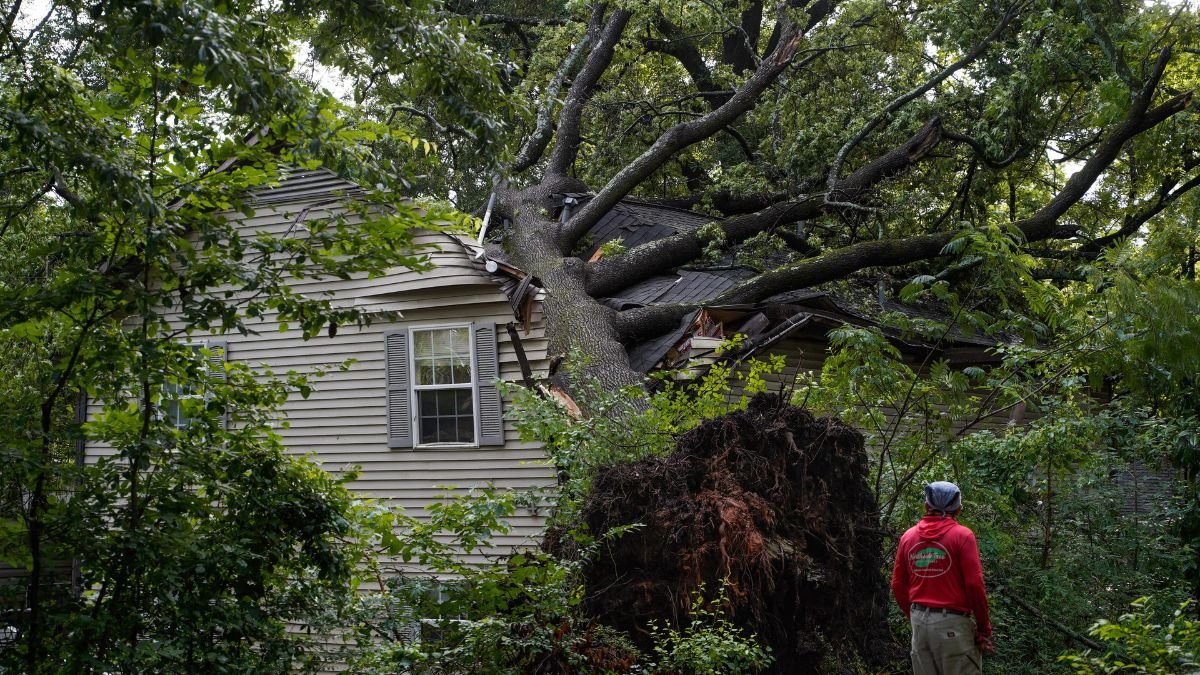
Storms connected to the remnants of what was once Tropical Storm Arthur have already caused damage across parts of South Georgia on Friday morning.
In Sumter County, emergency crews responded to several downed trees on McMath Mill Road near James Hart Road, according to Sumter County Rescue. Officials initially urged drivers to stay away from the area while crews cleared debris and worked to make the road safe again. The roadway has since reopened.
Heavy Rain and Severe Thunderstorms Continue
The damage comes as bands of heavy rain and strong thunderstorms continue moving through the region. Emergency officials across South Georgia have reported storm-related issues, including fallen trees, blocked roads, and dangerous travel conditions.
Residents are being advised to remain alert as the weather system continues to bring rain and possible flooding to local communities.
Crisp County Reports Fallen Trees and Heavy Rainfall
The Crisp County Sheriff’s Office also warned drivers to use caution on Friday morning. Officials said several trees fell across roads overnight, while rainfall totals were significant in different parts of the county.
As of 6:00 a.m., rain gauges showed 2.8 inches at the Sheriff’s Office and up to 4.8 inches in some northern areas of Crisp County.
Flash Flooding Expected in the Region
Flash flooding remains a major concern across South Georgia. Heavy rainfall could quickly create dangerous road conditions, especially in low-lying areas and places with poor drainage.
Emergency management officials have warned that the storms may lead to more downed trees, possible power outages, and unsafe driving conditions throughout the day.
Officials Urge Caution
South Georgia emergency officials are asking residents to be careful while traveling and to avoid flooded or debris-covered roads. Drivers should watch for standing water, fallen trees, and emergency crews working in affected areas.
The remnants of Tropical Storm Arthur are continuing to impact South Georgia with heavy rain, thunderstorms, downed trees, and flash flooding concerns. While McMath Mill Road in Sumter County has reopened, officials across the region are urging residents to stay cautious as hazardous weather and road conditions remain possible.
Georgia State Lawmakers Abandon Redistricting Effort
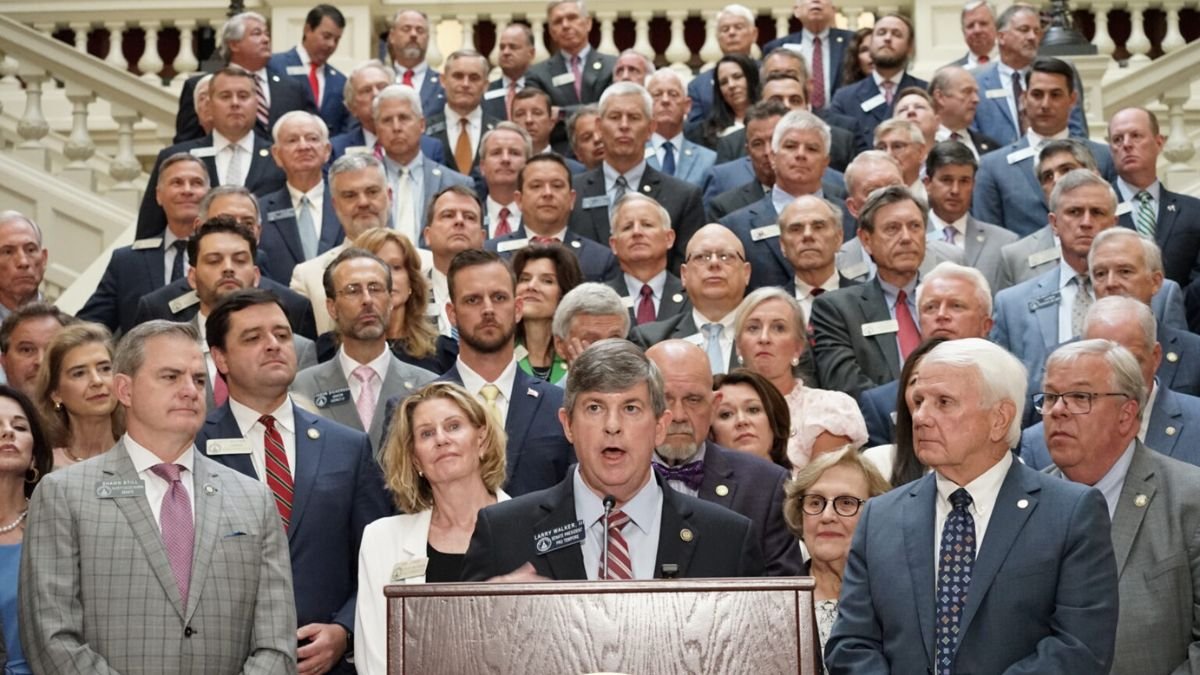
Republican leaders in the Georgia House of Representatives and the Georgia state Senate have said they will not move forward with redrawing the state’s political maps during the special legislative session that began Wednesday.
Their decision comes amid ongoing legal challenges and uncertainty surrounding recent court rulings on redistricting and the Voting Rights Act.
In a letter to Georgia Governor Brian Kemp, House Speaker Jon Burns and other House Republican leaders said they believe Georgia will succeed in pending appeals. They also said lawmakers should wait for more court guidance before making future decisions about district maps.
House Leaders Call for Public Input
Burns and the House leadership team argued that changes to Georgia’s maps should only happen after lawmakers and residents have enough time to review the facts, share opinions, and take part in meaningful debate.
Because of that, they said the House will not take up congressional or legislative redistricting for the 2028 election cycle during the current special session.
The message emphasized that map changes affect voters across the state and should not be handled through a rushed process.
Senate Also Rejects Redistricting During Session
The Georgia Senate took a similar position. In a Wednesday afternoon statement, Senate President Pro Tem Larry Walker said the Senate had also sent a letter to Kemp explaining that it would not consider redistricting during the special session.
Walker said it would be wiser to let the judicial process continue in other states and carefully examine how courts respond to newly adopted district maps across the country.
He added that with more legal guidance, Georgia’s future districts would be better positioned to survive court scrutiny.
Senate Says Redistricting Should Not Be Rushed
Walker also noted that any changes to Georgia’s congressional or legislative districts would not take effect until the 2028 election cycle. Because of that, Senate leaders believe the state should move carefully rather than quickly.
He said any redistricting action should be transparent, well-informed, and coordinated with the Georgia House.
Brian Kemp Says Delay Is Not Necessary
Governor Brian Kemp responded by saying he does not believe the redistricting process needs to be delayed. However, he acknowledged that drawing legislative districts is ultimately the responsibility of the General Assembly.
Kemp pointed to the U.S. Supreme Court’s decision in Louisiana v. Callais, saying the ruling reaffirmed that racial gerrymandering is unconstitutional in every form.
He said Georgia’s legislative maps were intentionally drawn to create majority-minority districts, a practice he argued has now been ruled unconstitutional.
At the same time, Kemp noted that the General Assembly had failed to pass legislation addressing a self-imposed deadline related to Georgia’s election system. That issue required lawmakers to return for a special session before July 1, 2026.
Georgia Was Expected to Join Southern Redistricting Push
Georgia had been viewed as the next major Southern state where Republicans might redraw voting districts after the Supreme Court weakened important Voting Rights Act protections.
Those protections had helped shape existing district boundaries in racially diverse states by requiring maps that gave minority voters a fair chance to elect candidates of their choice.
The special session was called by Kemp following the Supreme Court’s Louisiana v. Callais decision, which struck down Louisiana’s congressional map as an illegal racial gerrymander.
Kemp Took a Different Approach From Other Governors
Unlike some Republican governors who moved quickly to redraw congressional maps for the upcoming November midterm elections, Kemp wanted Georgia lawmakers to focus on districts for 2028 instead.
This was partly different from the strategy encouraged by President Donald Trump, who urged Republican-led states to redraw maps quickly to help protect the party’s narrow majority in Congress.
Kemp also went further than some other Southern governors by asking Georgia’s Republican-controlled legislature to consider redrawing its own state legislative districts.
If Georgia had moved forward, it could have become the first state to apply the Callais ruling directly to its legislature, showing how widely the Supreme Court decision could affect Southern states with large Black populations and significant numbers of Black lawmakers.
Georgia’s Civil Rights History Adds Weight to the Debate
The redistricting issue carries special meaning in Georgia. The state Capitol complex includes a statue of Rev. Martin Luther King Jr. and sits only blocks from places connected to his life, ministry, and leadership in the civil rights movement.
That movement helped produce the Voting Rights Act of 1965, making Georgia’s debate over minority voting power especially significant.
As of Wednesday morning, neither Kemp nor Republican legislative leaders had publicly released proposed map changes.
Supreme Court Shifted Redistricting Standards
Before the Callais ruling, Section 2 of the Voting Rights Act was widely understood to require congressional, state, and local maps that gave historically marginalized minority communities a reasonable opportunity to elect candidates they supported.
These districts, often called opportunity districts, have disproportionately helped elect Black and other nonwhite candidates in Georgia and across the country.
In Georgia, about one-third of the state’s 180 representatives are Black. When Latino, Asian, and other minority lawmakers are included, nonwhite legislators make up about 40% of the state House, roughly matching Georgia’s overall population.
Georgia’s U.S. House delegation also includes five districts out of 14 where the electorate is majority or plurality nonwhite. All five elected Black Democrats in 2024.
Conservative Majority Calls for Race-Neutral Maps
In the Callais decision, the Supreme Court’s conservative majority ruled that districts drawn with racial makeup in mind are discriminatory and violate the Constitution’s equal protection clause.
The justices said district lines should be drawn in a race-neutral way.
While the ruling focused on race rather than party politics, partisan gerrymandering remains legally allowed under federal court precedent. In many Southern states, however, race and party preference are closely connected, with many nonwhite voters supporting Democrats and many white voters supporting Republicans.
Because of that, critics argue the decision gives Republican-led legislatures room to redraw maps in ways that strengthen GOP seats by spreading out or concentrating nonwhite voters.
Civil Rights Advocates Warn of Hidden Racial Impact
Many civil rights advocates and election experts argue that it is extremely difficult for Southern legislatures to draw maps that are truly race neutral, given the close link between race, geography, and party politics.
Carol Anderson, a professor at Emory University and a board member of Fair Fight Action, compared the effects of the ruling and redistricting push to Jim Crow-era policies such as poll taxes and literacy tests.
She argued that those systems also used neutral-sounding language while targeting Black voters in practice.
Political Risks for Georgia Republicans
Even if Republicans eventually redraw Georgia’s maps, the outcome may not be guaranteed to benefit them.
Partisan gerrymandering usually works by either packing certain voters into fewer districts or spreading them across more districts. Around metro Atlanta, Republicans could try to spread nonwhite and Democratic-leaning voters across additional districts to make more seats appear competitive or Republican-leaning.
However, that strategy carries risks. White suburban and metropolitan voters in Georgia have become less reliably conservative, meaning new maps could accidentally create more battleground districts where Democratic candidates of any race could win.
That risk may be especially important for Georgia’s state House and U.S. House districts, even if the state Senate is already considered more favorable to Republicans.
Kemp’s request would have required many Republican lawmakers, especially those in metro Atlanta, to redraw their own districts and potentially take on unfamiliar voters.
Trump Sparked Wider National Redistricting Fight
The current redistricting fight did not begin with the Supreme Court ruling alone. Nationally, the battle intensified last year when Trump pushed Republican-controlled states to redraw congressional districts to strengthen the GOP’s narrow U.S. House majority before November.
Texas was the first state to respond to Trump’s call.
In response, California Governor Gavin Newsom and Democrats in Sacramento moved forward with their own gerrymander, which voters later approved. Other states then followed with their own efforts.
The national balance could have been closer if the conservative-controlled Virginia Supreme Court had not struck down new Democratic-drawn maps approved by voters.
Redistricting Could Shape Congress Beyond 2026
Republicans believe their redistricting efforts could help them gain as many as 16 seats, while Democrats believe they could pick up about six seats from new districts in California and Utah.
Even that may not be enough for Republicans to guarantee control of the House, especially with Trump’s approval ratings lagging. However, the strategy could reduce Democratic gains and give Republicans a stronger position heading into 2028 and future elections.
Georgia Republican leaders have chosen not to redraw congressional or legislative maps during the current special session, despite pressure from the Supreme Court’s Louisiana v. Callais ruling and broader Republican efforts to reshape districts nationwide. House and Senate leaders said they want more legal clarity, public input, and a deliberate process before making changes that could affect voters across the state. While Governor Brian Kemp argued there is no need to delay, lawmakers have decided to wait, leaving Georgia’s redistricting battle unresolved as legal, political, and civil rights questions continue to develop.
The Sideline Stars: Celebrating Georgia’s Favorite Mascots on National Mascot Day

National Mascot Day is being celebrated on Wednesday, giving fans across the country a chance to recognize the colorful characters that have become central to sports teams, schools, and local communities.
Observed every year on June 17, the day highlights how mascots help create school spirit, strengthen fan engagement, and build a shared identity around teams and institutions.
In Georgia, many mascots are more than sideline entertainers. Some have grown into beloved traditions with decades of history and fan followings that rival the athletes and teams they represent.
Uga Remains Georgia’s Most Famous Mascot
Perhaps the most recognizable mascot in the state is Uga, the beloved live bulldog mascot of the University of Georgia.
The tradition of using a live English bulldog began in 1956, and every official Uga has been cared for by the same Savannah family for generations. Uga is also known for wearing a custom game-day jersey made from the same material used in the players’ uniforms.
Whether relaxing in his air-conditioned doghouse on the sidelines in Athens or appearing at major events, Uga has become one of the most iconic mascots in college sports.
Buzz Represents Georgia Tech Spirit
At Georgia Tech, fans are energized by Buzz, the school’s yellow jacket mascot. First introduced in 1972, Buzz has become one of the most familiar figures in college athletics.
Buzz often appears alongside another major Georgia Tech symbol, the Ramblin’ Wreck, helping lead cheers and represent the school’s competitive spirit.
Pounce and Other College Mascots Across Georgia
Georgia State University is represented by Pounce, a blue panther mascot with roots dating back to the early 1990s. The current version of Pounce was introduced in 2009, around the launch of Georgia State’s football program, and has since become a regular presence at athletic events and community activities.
Other Georgia colleges and universities also have mascots that are closely tied to campus identity. Kennesaw State University has Scrappy the Owl, while Georgia Southern University is represented by GUS the Eagle.
Mercer University’s Toby the Bear, Georgia College’s Thunder the Bobcat, and Morehouse College’s King the Maroon Tiger are also familiar faces at games, school events, and campus celebrations.
Blooper Becomes a Braves Fan Favorite
In Atlanta professional sports, few mascots have gained popularity as quickly as Blooper, the furry and playful mascot of the Atlanta Braves.
Blooper made his debut in 2018, replacing the longtime mascot Homer the Brave. Since then, he has become a major fan favorite at Truist Park, earning attention for his comedy, social media personality, and interactions with fans.
Today, Blooper is considered one of the most recognizable mascots in Major League Baseball.
Freddie Falcon and Harry the Hawk Carry Atlanta Sports Tradition
The Atlanta Falcons are represented by Freddie Falcon, who has entertained fans on the sidelines for decades. Freddie is a major part of game days at Mercedes-Benz Stadium and regularly appears at community events throughout Georgia.
Meanwhile, the Atlanta Hawks are represented by Harry the Hawk, who has been part of Atlanta basketball culture since the 1980s. Known for acrobatic stunts, high-flying dunks, and crowd interaction, Harry has become one of the NBA’s most famous mascots. He was inducted into the Mascot Hall of Fame in 2022.
Together, Blooper, Freddie Falcon, and Harry the Hawk continue Georgia’s strong mascot tradition in professional sports.
The Deeper Meaning Behind Mascots
Although mascots are often known for entertaining crowds, posing for photos, and creating fun moments during games, their history goes deeper.
The word “mascot” comes from the French word “mascotte,” meaning a lucky charm. Over time, mascots evolved into symbols of pride, unity, and identity for schools, sports teams, alumni, students, and fans.
In Georgia, that tradition remains especially strong. From Uga in Athens to Buzz in Atlanta and mascots at colleges across the state, these characters continue to energize crowds and represent the spirit of their communities.
National Mascot Day gives Georgia fans a chance to celebrate the characters who help define their favorite teams and schools. Whether it is Uga, Buzz, Pounce, Blooper, Freddie Falcon, Harry the Hawk, or one of the state’s many college mascots, these figures remain an important part of Georgia’s sports culture. They may never score a touchdown, hit a home run, or make a game-winning shot, but they often become the face of the teams fans love most.
Georgia Republicans Refuse to Redraw Congressional Map Despite Trump’s Push
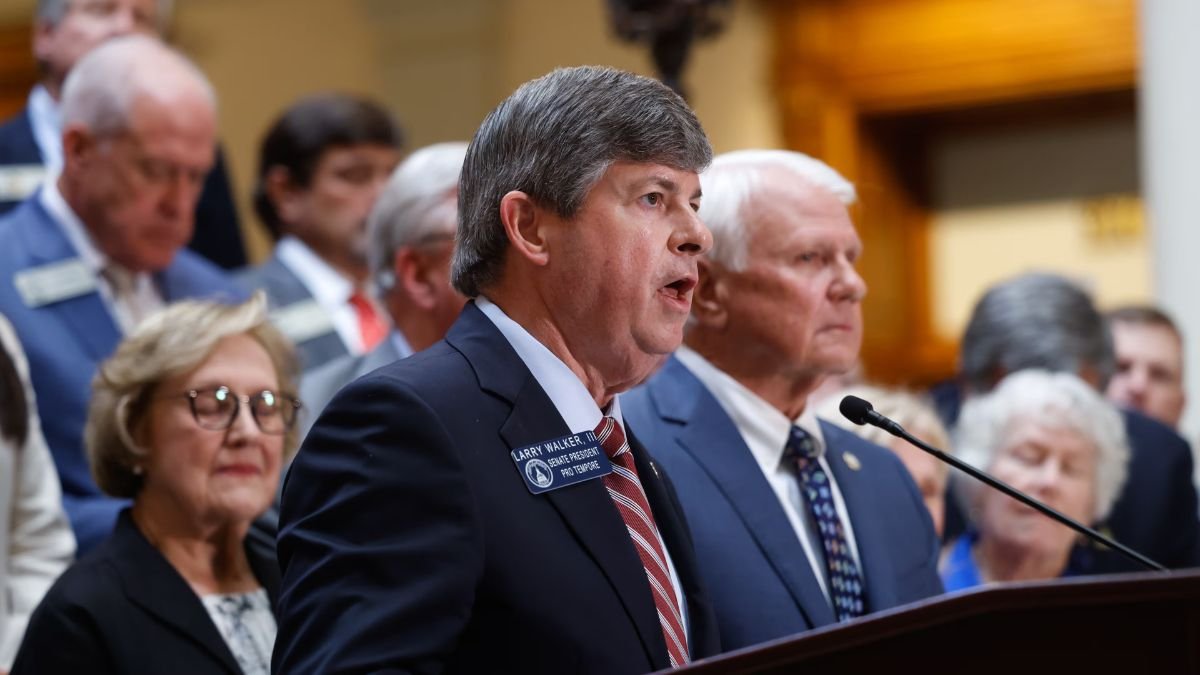
Georgia Republicans have chosen not to redraw the state’s congressional map during a special legislative session, resisting pressure from Donald Trump for a broad redistricting effort after a recent U.S. Supreme Court ruling weakened a key part of the Voting Rights Act.
The decision marks a more cautious approach from Georgia GOP leaders at a time when some Republican-led states have moved quickly to revise voting districts in ways that could benefit the party ahead of future congressional elections.
Jon Burns Says Georgia Needs a Careful Process
Georgia House Speaker Jon Burns defended the decision, saying lawmakers should handle the issue in what he described as “the Georgia way” — responsibly, openly, and with enough time for public feedback.
Burns said the timeline was too rushed and that lawmakers still did not fully understand the impact of the Supreme Court’s April ruling, which reduced protections for minority voters under the Voting Rights Act. That ruling triggered a wave of Republican interest in redistricting as the party seeks to protect its narrow majority in the U.S. House of Representatives.
While Trump has urged states to act quickly, not all Republican-led states have responded at the same pace.
Brian Kemp Called Session With 2028 in Mind
Georgia Governor Brian Kemp called the special session, but not specifically to redraw congressional districts for the upcoming 2026 elections. Instead, the focus was tied more to elections in 2028, separating Georgia’s approach from states that are moving quickly for the next election cycle.
Speaking to reporters on Wednesday, Burns also said the legislature had other urgent issues to address. These included restoring a moratorium on gasoline taxes, exploring ways to reduce property taxes, and fixing part of a 2024 law that could create uncertainty over the legality of vote-counting machines before the November election.
Burns stressed that changes to district maps could affect every voter in Georgia. For that reason, he argued that citizens deserve a careful, accurate, and transparent process with a real chance to be heard.
Democrats Protest Redistricting Possibility
The possibility of congressional redistricting brought Democratic opposition to the Georgia Capitol. Raphael Warnock, the U.S. senator from Georgia and a leading Democrat, returned to the state to speak out against the potential effort.
Justin Jones, a Nashville state representative who helped lead opposition to redistricting in Tennessee, also appeared at the Georgia Capitol in Atlanta. Tennessee passed new maps in May, and Jones used his presence in Georgia to raise awareness about the issue.
State Legislative Redistricting Also Raised Concerns
Congressional redistricting was not the only issue under discussion. Redrawing Georgia state House and state Senate districts was also a possibility, and some observers believe that risk may have made Republican lawmakers more cautious.
Former state Representative Teri Anulewicz said Republicans may have already done as much as they realistically could during the state’s 2023 redistricting process. That earlier effort helped strengthen the electoral position of some Republican lawmakers in metro Atlanta, even as the area continued shifting away from the GOP.
Anulewicz said Georgia remains a swing state in a political environment that could favor Democratic gains. She added that the state House majority is vulnerable enough that Republican caution was not surprising.
Republicans Emphasize Deliberation
Republican state Representative Mark Newton, who represents the suburban Augusta area, said Burns’ position reflects the broader view of the Republican caucus.
Newton described Burns as a leader who prefers a deliberate process rather than rushed action. He pointed out that Georgia lawmakers often use study committees during the months when the legislature is not in session to examine complex issues more thoroughly.
Newton also said that past redistricting efforts in Georgia involved meetings and feedback from multiple groups, suggesting that any future map changes should follow a similar process.
Georgia Republicans’ decision not to immediately redraw congressional districts shows a cautious break from Trump’s push for fast redistricting after the Supreme Court’s Voting Rights Act ruling. While GOP leaders cited transparency, public input, legal uncertainty, and other legislative priorities, political risks also appear to be part of the calculation. With Georgia remaining a competitive swing state, any changes to district maps could carry major consequences for both parties in future elections.
Georgia Rejects Trump-Backed Burt Jones as ‘MAGA’ Mike Defeats Dooley

Georgia Republicans delivered a major setback to President Donald Trump on Tuesday by rejecting his preferred candidate in the state’s Republican governor runoff.
Voters chose businessman Rick Jackson over Lieutenant Governor Burt Jones, who had received endorsements from both Trump and Georgia Governor Brian Kemp. Jackson was ahead by five percentage points when major U.S. media outlets called the race.
The result is being viewed as one of Trump’s most notable primary losses of the current election cycle.
Trump Faces Another Primary Defeat
Jackson’s victory comes shortly after another defeat for a Trump-backed candidate. On June 2, Trump-endorsed U.S. Representative Randy Feenstra narrowly lost the Iowa gubernatorial primary to businessman and farmer Zach Lahn.
Together, the losses show that Trump’s endorsement remains powerful in many Republican contests, but it is not always enough to secure victory.
Mike Collins Wins Georgia Senate Runoff
While Trump’s governor pick lost in Georgia, his preferred candidate in the state’s U.S. Senate race won comfortably.
U.S. Representative Mike Collins, who was endorsed by Trump last week and described by him as “MAGA Mike” on Truth Social, defeated former football coach Derek Dooley by double digits.
Collins will now face Democratic Senator Jon Ossoff in November’s general election. Ossoff is considered a rising Democratic figure and has been mentioned as a possible 2028 presidential contender.
Georgia Senate Race Could Shape Control of the Chamber
The Georgia Senate contest is expected to be one of the most important races of the midterm elections. Along with Michigan, Georgia is one of only two states that Trump won where Senate Democrats are defending seats in November.
Democrats need to gain a net total of four seats to take control of the Senate.
Collins will face a major fundraising disadvantage against Ossoff. The Democratic incumbent has raised $60 million for his campaign and entered May with $33 million available. Collins, by comparison, ended May with $1.2 million in his campaign account.
However, Republicans are preparing to spend heavily. The Senate Leadership Fund has promised to invest $44 million in an effort to flip the seat.
Rick Jackson Builds Campaign Around Outsider Image
Jackson, a healthcare executive, entered the governor’s race in February but spent more than $100 million on his campaign.
He presented himself as a conservative outsider and highlighted his personal story, including his rise from poverty and foster care to becoming a billionaire after leaving college.
Ahead of the runoff, Jackson also received endorsements from U.S. Senators Ted Cruz of Texas and Rick Scott of Florida.
Jackson to Face Keisha Lance Bottoms
In November, Jackson will run against Democrat Keisha Lance Bottoms, the former mayor of Atlanta and a former adviser to President Joe Biden.
Although Jackson has the ability to self-fund his campaign, some political experts believe the general election may still be difficult for Republicans in Georgia.
Charles Bullock, a political science professor at the University of Georgia, said the political environment may not be especially favorable for Republicans in the state and suggested Democrats could have a real chance to win the governorship.
Barry Moore Wins Alabama Senate Runoff
In Alabama, Trump-backed U.S. Representative Barry Moore defeated former Navy SEAL Jared Hudson in Tuesday’s Republican Senate runoff.
With 82% of the vote counted, Moore was leading by 16 percentage points. He is considered the strong favorite to win the Senate seat in November, especially because Trump carried Alabama by more than 30 percentage points in 2024.
Oklahoma Minimum Wage Measure Heads Toward Defeat
In Oklahoma, voters appeared likely to reject a ballot measure that would have gradually raised the state’s minimum wage from $7.25 to $15 by 2029.
Republican Governor Kevin Stitt and more than 100 Republican state lawmakers opposed the proposal. They warned that increasing the minimum wage could create serious economic consequences, including job losses and higher prices.
With 78% of the vote counted, the “no” side was leading by 15 percentage points.
Some Republicans Supported Wage Increase
Not every Oklahoma Republican opposed the minimum wage measure. State Labor Commissioner Leslie Osborn supported the proposal, arguing that everyday expenses have increased while Oklahoma’s minimum wage has remained unchanged since 2009.
Osborn said workers earning the current minimum wage cannot realistically afford transportation, housing, and basic living costs without relying on government assistance. She argued that Republicans should want people to earn enough to support themselves independently.
Tuesday’s primaries and runoffs brought mixed results for Donald Trump’s political influence. In Georgia, his Senate pick Mike Collins won the Republican nomination, but his preferred governor candidate Burt Jones lost to Rick Jackson. Alabama delivered a win for Trump-backed Barry Moore, while Oklahoma voters moved toward rejecting a minimum wage increase. The results highlight both the continued strength and limits of Trump’s endorsement power heading into a critical election season.