Georgia Rejects Trump-Backed Burt Jones as ‘MAGA’ Mike Defeats Dooley
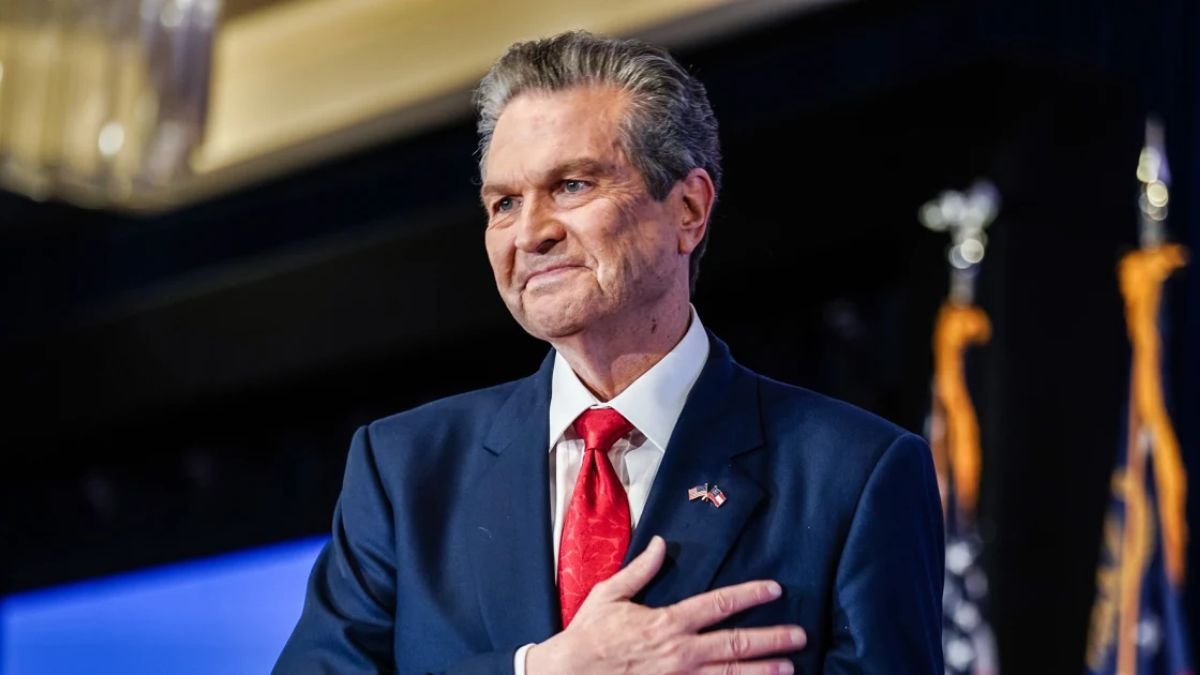
Georgia Republicans delivered a major setback to President Donald Trump on Tuesday by rejecting his preferred candidate in the state’s Republican governor runoff.
Voters chose businessman Rick Jackson over Lieutenant Governor Burt Jones, who had received endorsements from both Trump and Georgia Governor Brian Kemp. Jackson was ahead by five percentage points when major U.S. media outlets called the race.
The result is being viewed as one of Trump’s most notable primary losses of the current election cycle.
Trump Faces Another Primary Defeat
Jackson’s victory comes shortly after another defeat for a Trump-backed candidate. On June 2, Trump-endorsed U.S. Representative Randy Feenstra narrowly lost the Iowa gubernatorial primary to businessman and farmer Zach Lahn.
Together, the losses show that Trump’s endorsement remains powerful in many Republican contests, but it is not always enough to secure victory.
Mike Collins Wins Georgia Senate Runoff
While Trump’s governor pick lost in Georgia, his preferred candidate in the state’s U.S. Senate race won comfortably.
U.S. Representative Mike Collins, who was endorsed by Trump last week and described by him as “MAGA Mike” on Truth Social, defeated former football coach Derek Dooley by double digits.
Collins will now face Democratic Senator Jon Ossoff in November’s general election. Ossoff is considered a rising Democratic figure and has been mentioned as a possible 2028 presidential contender.
Georgia Senate Race Could Shape Control of the Chamber
The Georgia Senate contest is expected to be one of the most important races of the midterm elections. Along with Michigan, Georgia is one of only two states that Trump won where Senate Democrats are defending seats in November.
Democrats need to gain a net total of four seats to take control of the Senate.
Collins will face a major fundraising disadvantage against Ossoff. The Democratic incumbent has raised $60 million for his campaign and entered May with $33 million available. Collins, by comparison, ended May with $1.2 million in his campaign account.
However, Republicans are preparing to spend heavily. The Senate Leadership Fund has promised to invest $44 million in an effort to flip the seat.
Rick Jackson Builds Campaign Around Outsider Image
Jackson, a healthcare executive, entered the governor’s race in February but spent more than $100 million on his campaign.
He presented himself as a conservative outsider and highlighted his personal story, including his rise from poverty and foster care to becoming a billionaire after leaving college.
Ahead of the runoff, Jackson also received endorsements from U.S. Senators Ted Cruz of Texas and Rick Scott of Florida.
Jackson to Face Keisha Lance Bottoms
In November, Jackson will run against Democrat Keisha Lance Bottoms, the former mayor of Atlanta and a former adviser to President Joe Biden.
Although Jackson has the ability to self-fund his campaign, some political experts believe the general election may still be difficult for Republicans in Georgia.
Charles Bullock, a political science professor at the University of Georgia, said the political environment may not be especially favorable for Republicans in the state and suggested Democrats could have a real chance to win the governorship.
Barry Moore Wins Alabama Senate Runoff
In Alabama, Trump-backed U.S. Representative Barry Moore defeated former Navy SEAL Jared Hudson in Tuesday’s Republican Senate runoff.
With 82% of the vote counted, Moore was leading by 16 percentage points. He is considered the strong favorite to win the Senate seat in November, especially because Trump carried Alabama by more than 30 percentage points in 2024.
Oklahoma Minimum Wage Measure Heads Toward Defeat
In Oklahoma, voters appeared likely to reject a ballot measure that would have gradually raised the state’s minimum wage from $7.25 to $15 by 2029.
Republican Governor Kevin Stitt and more than 100 Republican state lawmakers opposed the proposal. They warned that increasing the minimum wage could create serious economic consequences, including job losses and higher prices.
With 78% of the vote counted, the “no” side was leading by 15 percentage points.
Some Republicans Supported Wage Increase
Not every Oklahoma Republican opposed the minimum wage measure. State Labor Commissioner Leslie Osborn supported the proposal, arguing that everyday expenses have increased while Oklahoma’s minimum wage has remained unchanged since 2009.
Osborn said workers earning the current minimum wage cannot realistically afford transportation, housing, and basic living costs without relying on government assistance. She argued that Republicans should want people to earn enough to support themselves independently.
Tuesday’s primaries and runoffs brought mixed results for Donald Trump’s political influence. In Georgia, his Senate pick Mike Collins won the Republican nomination, but his preferred governor candidate Burt Jones lost to Rick Jackson. Alabama delivered a win for Trump-backed Barry Moore, while Oklahoma voters moved toward rejecting a minimum wage increase. The results highlight both the continued strength and limits of Trump’s endorsement power heading into a critical election season.