Army Sergeant Sentenced to Life for Georgia Base Shootings That Wounded Five
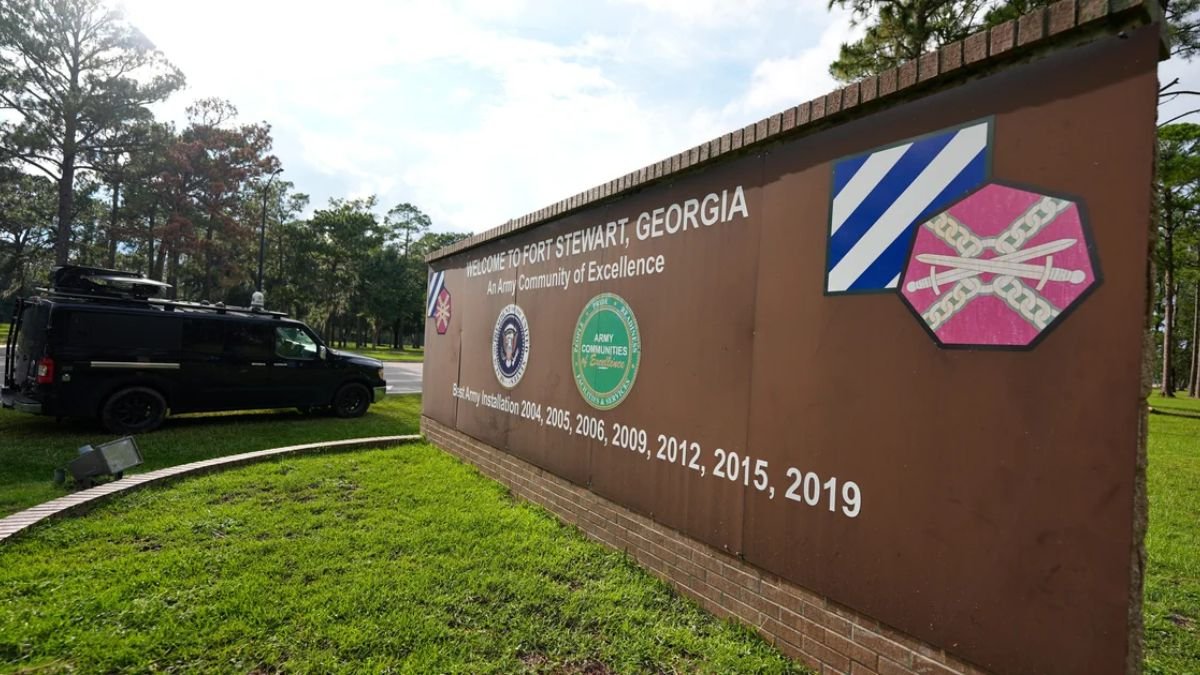
An Army sergeant has been sentenced to life in military prison after a shooting at Fort Stewart, Georgia, last summer left five people wounded.
A military judge sentenced Sgt. Quornelius Radford on Tuesday to life with the possibility of parole. The sentence followed a court-martial in which Radford was convicted of attempted murder.
Prosecutors Said Radford Targeted Unit Leaders
Army prosecutors said Radford, 29, used a personal handgun to target leaders in his supply unit during the August shooting.
Authorities said he wounded four fellow soldiers and his then-fiancé, Raekwon Smith. Smith testified that he followed Radford onto Fort Stewart because he feared Radford might be suicidal and was later shot.
Radford Previously Pleaded Guilty to Other Charges
In March, Radford admitted to carrying out the shootings when he pleaded guilty to aggravated assault and domestic violence charges.
However, he maintained that he did not intend to kill anyone. Army prosecutors still moved forward with attempted murder charges.
Witnesses Describe Fort Stewart Shooting
During the trial, witnesses said Radford, a supply sergeant in the 3rd Infantry Division’s 2nd Armored Brigade, moved through two offices and a conference room while firing at four soldiers.
He was later restrained and disarmed by fellow soldiers before military police took him into custody.
Sentence Includes Dishonorable Discharge
In addition to life with possible parole, Radford’s sentence includes a dishonorable discharge and a reduction in rank to private.
Army prosecutors had asked the judge to impose life without parole. Defense attorneys argued for a lighter sentence, saying Radford was experiencing a mental health crisis at the time of the shootings and had accepted responsibility.
Radford Apologizes to Victims
One of Radford’s defense attorneys read a statement from him in court.
In the statement, Radford apologized to each victim, said he was thankful they survived, and asked for forgiveness.
Victims Still Recovering
A doctor from the Army hospital at Fort Stewart testified that one wounded soldier was shot in the face and another in the chest. Other victims were struck in the back and abdomen.
During the sentencing hearing, victims said they continue to recover physically and emotionally. Two of them have since left the Army.
Radford chose to have his case decided by a military judge rather than a jury of soldiers.
Sgt. Quornelius Radford was sentenced to life with the possibility of parole after being convicted in the Fort Stewart shooting that wounded five people. While prosecutors pushed for life without parole, the judge also ordered a dishonorable discharge and demotion to private. The case highlighted the lasting physical and emotional impact on the victims, several of whom remain in recovery.
National Weather Service Confirms Three Tornadoes Hit East Georgia

The National Weather Service has confirmed that three tornadoes touched down across east Georgia during the severe storms that moved through the region on June 18.
One of those tornadoes may have played a role in the deaths of two people in Putnam County, though officials are classifying the deaths as indirect.
EF0 Tornado Confirmed Near Flat Rock
Survey teams rated the tornado near Flat Rock in Putnam County as an EF0, with estimated peak winds of 80 mph.
The tornado was on the ground from about 9:04 p.m. to 9:07 p.m., traveling roughly 2.6 miles. It reached a maximum width of 100 yards.
Officials said two people were killed and two others were injured the next morning when a tree fell onto a vehicle near the tornado’s path. The weather service said the storm likely weakened the tree, but that connection has not been confirmed with certainty.
Because the deaths and injuries happened after the tornado and were linked to storm damage rather than a direct tornado impact, they are being counted as indirect.
Second EF0 Tornado Crossed Into Greene County
A second tornado, also rated EF0, formed at about 9:19 p.m. near Rockville in Putnam County.
This tornado had estimated peak winds of 85 mph and traveled about 4.4 miles into Greene County near Lake Oconee before lifting around 9:24 p.m.
No injuries or deaths were reported from this tornado.
Strongest Tornado Rated EF1
The strongest tornado confirmed from the June 18 storms was rated EF1, with estimated peak winds of 90 mph.
It touched down at 8:51 p.m. in Jones County near Blountsville and traveled more than 10 miles through Baldwin and Putnam counties before lifting at about 9 p.m.
The tornado reached a maximum width of 175 yards. No injuries or fatalities were reported from this storm.
Additional Storm Survey Details Still Pending
The National Weather Service is still completing storm surveys connected to the June 18 severe weather event.
More details and full survey summaries for all three tornadoes are expected to be released in the coming days.
The June 18 storms produced three confirmed tornadoes across east Georgia, including two EF0 tornadoes and one EF1 tornado. While no direct tornado fatalities were reported, officials say one Putnam County tornado may have weakened a tree that later fell onto a vehicle, killing two people and injuring two others. Additional National Weather Service survey details are still expected.
Georgia Shock New Zealand Before World Rugby U20 Championship

Georgia’s Junior Lelos made history at Kharebi Arena in Rustavi by defeating the New Zealand Junior All Blacks for the first time ever, earning a thrilling 22-19 victory.
The dramatic win came in Georgia’s final warm-up match before the 2026 World Rugby U20 Championship, which begins on June 27.
Four Tries Power Georgia to Historic Result
Led by coach Vito Kolelishvili, Georgia scored four tries against one of the most respected teams in world age-grade rugby.
Before this match, Georgia had faced New Zealand four times at U20 level and lost each meeting. This time, the hosts showed resilience, recovering from an early setback and holding firm during a late New Zealand response.
New Zealand Start Strong
The Junior All Blacks, who played without numbers on their jerseys, controlled much of the early action.
Georgia made several mistakes in the opening minutes and conceded two penalties. New Zealand took advantage from a five-metre lineout, executing a sharp attacking move to score the first converted try of the match.
Mikheil Shioshvili Brings Georgia Level
Georgia answered quickly through Mikheil Shioshvili in the 11th minute.
After winning a penalty near the New Zealand line, Georgia took a quick tap from five metres out. Shioshvili, the powerful Toulon No.8, charged through two defenders and scored under the posts.
Temur Dzodzuashvili converted the try to bring the score level at 7-7.
Both teams created chances before halftime, but handling errors at key moments prevented either side from taking the lead before the break.
New Zealand Retake the Lead After Halftime
Early in the second half, New Zealand moved back in front.
A Georgian mistake in midfield allowed the visitors to kick the ball ahead. A New Zealand player then broke away on the counterattack, beating two defenders and scoring another converted try to make it 14-7.
Luka Tabatadze Finishes Brilliant Georgia Move
Georgia responded with creativity and determination.
In the 62nd minute, Shioshvili attacked from close range and drew in a defender before passing to Dachi Tsiklauri. Tsiklauri then produced a brilliant between-the-legs pass to release winger Luka Tabatadze, who crossed in the corner.
The conversion was missed, leaving Georgia behind 14-12.
Junior All Blacks Extend Lead Before Late Fightback
New Zealand struck again in the 67th minute after sustained pressure, scoring their third try and restoring a seven-point advantage.
Georgia refused to back down. In the 71st minute, captain Luka Narcia picked from a ruck near the line and powered over for a try, cutting the deficit to two points after another missed conversion.
Irakli Kolbaia Scores Match-Winning Try
With Georgia heavily penalised during the match and time running out, the hosts won a crucial penalty in the 77th minute.
In the final minute, Georgia built pressure through a strong rolling maul. From the base of the ruck, Irakli Kolbaia spotted space in a disorganized New Zealand defence and darted through to score the decisive try.
That late score sealed a memorable 22-19 win and gave Georgia one of the greatest victories in its U20 rugby history.
Georgia’s Junior Lelos delivered a landmark performance by beating the New Zealand Junior All Blacks for the first time at U20 level. With four tries, late-match courage and a dramatic final-minute finish from Irakli Kolbaia, the 22-19 win gives Georgia major momentum heading into the 2026 World Rugby U20 Championship.
Court Blocks South Atlantic Red Snapper Permits as Georgia Pilot Season Faces Delay
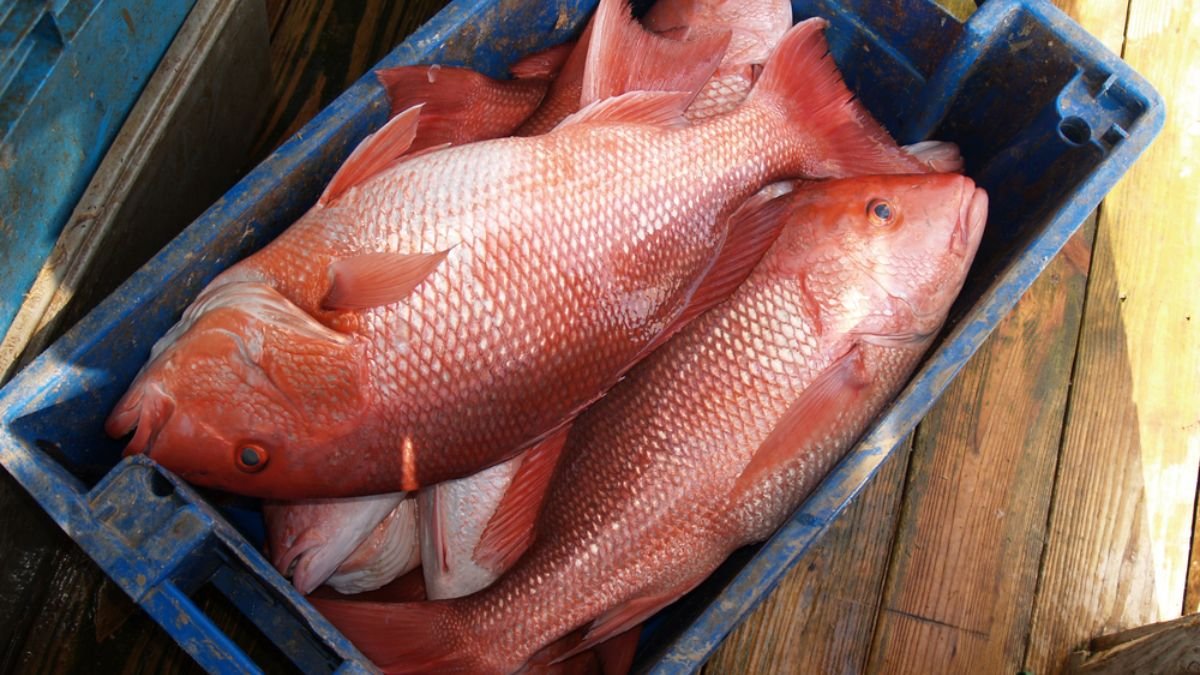
A planned 62-day recreational red snapper season in federal waters off Georgia has been delayed after a federal judge blocked a group of Exempted Fishing Permits for South Atlantic states.
The Georgia Department of Natural Resources said the season had been scheduled to begin on July 1, but it will not move forward as planned because of the court ruling.
Federal Judge Blocks South Atlantic Fishing Permits
The injunction was issued by a judge in the U.S. District Court for the District of Columbia. The ruling prevents the permits from being implemented while a legal challenge continues.
The blocked permits affected applications from Georgia, Florida, North Carolina and South Carolina.
Georgia’s permit would have allowed the state to launch its pilot recreational red snapper season, but the request was challenged in federal court by the Southeastern Fisheries Association. Environmental groups, including the Environmental Defense Fund and Ocean Conservancy, supported the lawsuit.
Georgia DNR Withdraws Original Request
Following the court decision, Georgia DNR withdrew its original permit request and said it plans to submit a revised EFP application.
DNR Commissioner Walter Rabon said the outcome was disappointing, but the agency remains focused on expanding red snapper fishing access for Georgia anglers.
Rabon said state-led management and stronger data collection could offer a better path forward, and the agency will continue working with partners to pursue that goal.
Summer Season Will Not Start July 1
Because there is not enough time for the legal process to finish before the planned July 1 opening date, the expected summer pilot season will not happen on schedule.
Georgia DNR is now working with partner states and federal officials to create a revised application that addresses the concerns raised by the court.
The U.S. Department of Commerce has said it will review any new application as quickly as possible.
Fall Red Snapper Season Still Possible
Officials hope to submit revised permits in the coming weeks. The goal is to establish some form of recreational red snapper season later this fall.
The pilot program was intended to improve recreational harvest data through mandatory angler reporting. State officials said better reporting would help track red snapper catches more accurately and support future requests for expanded fishing opportunities.
Georgia’s proposed 62-day recreational red snapper season has been delayed after a federal court blocked Exempted Fishing Permits for several South Atlantic states. While the July 1 start date is no longer possible, Georgia DNR plans to submit a revised application and hopes to create a fall season that improves access while addressing legal and management concerns.
Cherokee County Sheriff’s Sergeant and Lieutenant Arrested Over Alleged Personal Use of License Plate Reader
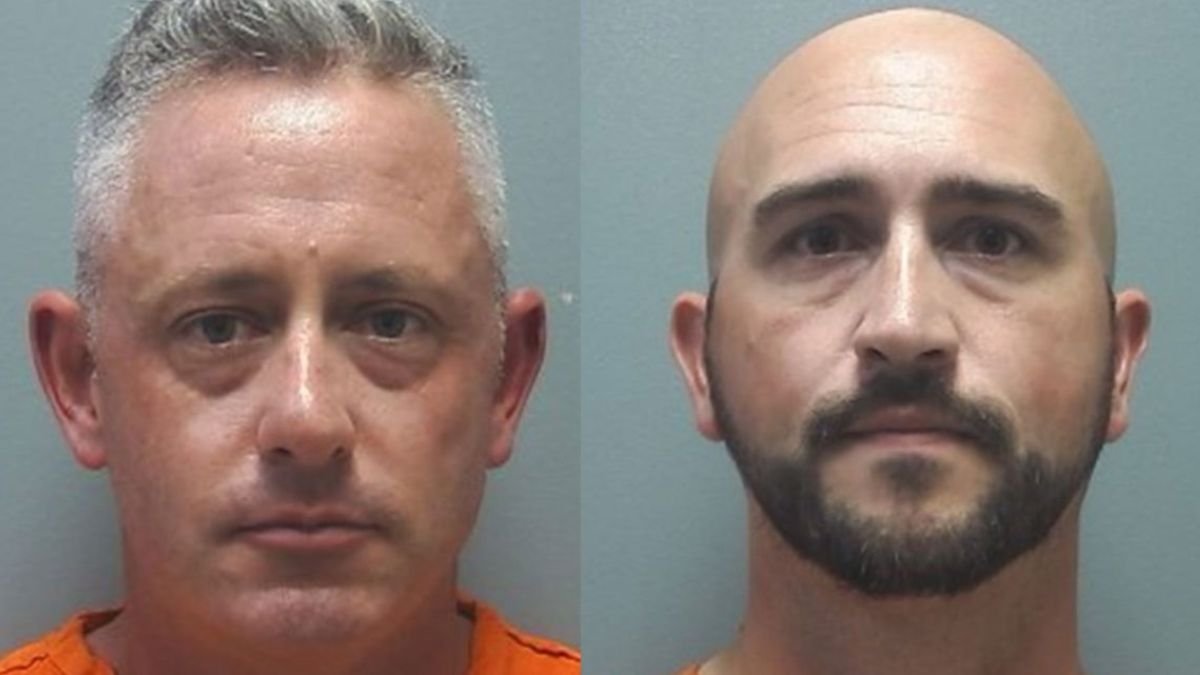
Two supervisors with the Cherokee County Sheriff’s Office have been arrested and terminated after an internal investigation found they improperly used the agency’s Automated License Plate Reader system for reasons not connected to law enforcement.
Officials said the investigation determined the employees violated both agency policy and Georgia law by accessing or using the ALPR system for unauthorized purposes.
Two Deputies Arrested After Internal Audit
The sheriff’s office announced that Lt. Chris Bryant, 45, of Acworth, and Sgt. Mike Creeden, 35, of Cartersville, were arrested Friday following an investigation by the agency’s Real-Time Intelligence Division.
The inquiry began after the agency conducted self-initiated audits of its ALPR system. Those audits were meant to confirm that the technology was being used properly and in accordance with department policy and state law.
Audits Found Irregularities
Investigators said the audits revealed unusual activity involving three authorized users of the license plate reader system.
A follow-up investigation determined that the employees had used the system for purposes unrelated to official law enforcement duties.
Charges Filed Against Bryant and Creeden
Bryant and Creeden were each charged with one felony count of violation of oath of office and one misdemeanor count related to the prohibition on law enforcement retaining license plate data obtained from automated license plate readers.
Both men were booked into the Cherokee County Adult Detention Center and are being held on a $3,812 bond.
The sheriff’s office confirmed that both deputies have been fired.
Earlier Arrest Connected to Same Investigation
The arrests come after the June 12 arrest of Deputy Cynthia Jodesty, who faces the same charges as part of the same investigation.
Officials said the matter remains tied to the agency’s review of ALPR system use.
Sheriff Emphasizes Accountability and Public Trust
Cherokee County Sheriff Frank Reynolds said the community expects professionalism, accountability and ethical conduct from law enforcement employees.
Reynolds said maintaining public trust requires employees to follow the law, protect sensitive information and use department tools only for legitimate law enforcement purposes.
He added that he remains committed to ensuring the sheriff’s office operates with transparency, professionalism and high ethical standards.
Conclusion
The arrests of Lt. Chris Bryant and Sgt. Mike Creeden followed internal audits that uncovered alleged misuse of the Cherokee County Sheriff’s Office ALPR system. Both supervisors were charged, booked into jail and fired. Their arrests follow the earlier arrest of Deputy Cynthia Jodesty, who faces similar charges in the same investigation.
Illinois Police Chief Warns Parents After Georgia Man Allegedly Travels to Meet Local Girl
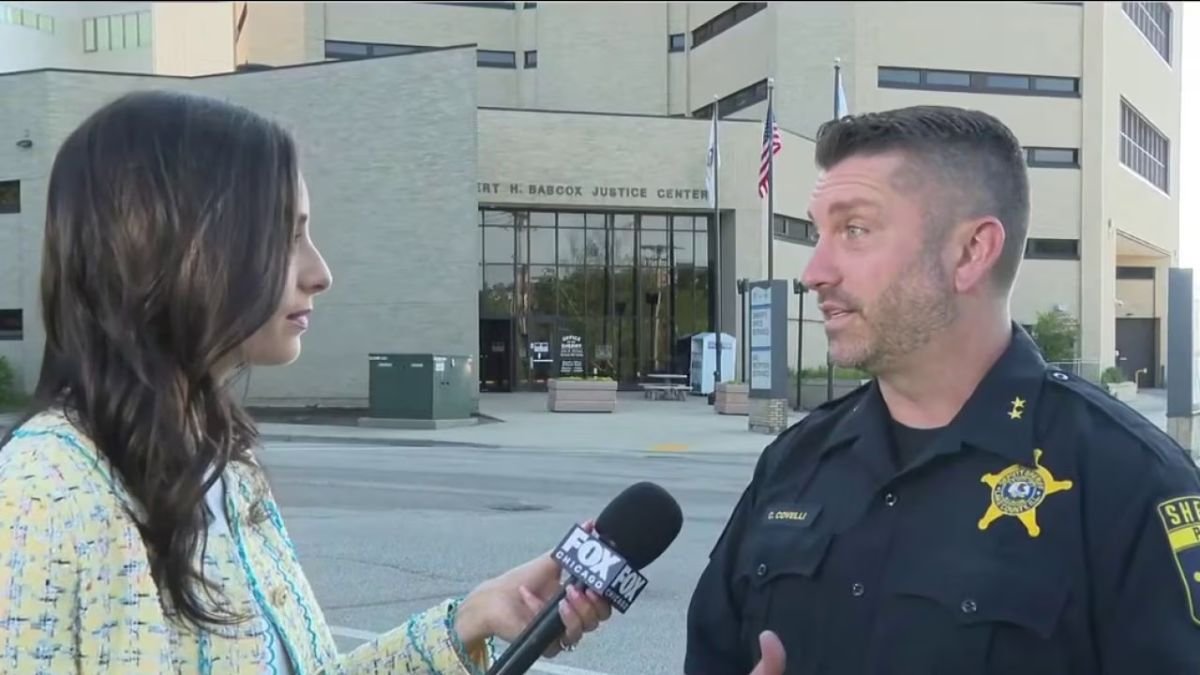
A Georgia man is facing criminal charges after authorities said he drove to Illinois to meet a young girl he had allegedly been communicating with online.
The suspect, Jordy Alexis Fuerte Perez, 24, of Norcross, Georgia, was taken into custody after deputies found him with the missing girl at a forest preserve in Lake County, Illinois.
Missing Girl Reported Early in the Morning
Deputies with the Lake County Sheriff’s Office were called to a home around 4:40 a.m. after a girl younger than 14 was reported missing.
Authorities said the girl’s cellphone was not working, which left detectives with limited information at the start of the investigation.
Detectives Traced Online Communications
Lake County Chief of Law Enforcement Chris Covelli said investigators were able to trace communications from a phone the girl had previously used.
Detectives discovered that she had been communicating with a phone number connected to Georgia. Covelli said investigators had very few leads at first but quickly worked backward through the phone records and identified a possible person linked to the number.
That possible suspect was later identified as Fuerte Perez.
Suspect Allegedly Planned to Pick Up the Girl
According to investigators, detectives learned that Fuerte Perez had allegedly planned to drive from Georgia to Lake County to pick up the girl.
Police said it appeared he had told the child he wanted a romantic relationship with her.
Investigators then identified the vehicle Fuerte Perez may have been driving and used public safety camera technology to locate it at Independence Grove Forest Preserve near Libertyville.
Girl Found Safe at Forest Preserve
Around 6 p.m., deputies found both the girl and Fuerte Perez inside the vehicle at the forest preserve.
Authorities said the girl did not appear physically injured. She was taken to the Lake County Children’s Advocacy Center for an evaluation and specialized care.
Charges Filed Against Fuerte Perez
Fuerte Perez was charged with solicitation of child pornography, two counts of possession of child pornography, and unlawful possession of a controlled substance.
Police said additional charges may still be filed as detectives continue investigating the case.
Covelli said possible grooming-related charges could depend on what investigators determine happened while Fuerte Perez and the girl were together.
Officials Warn About Online Predators
Covelli said cases involving adults contacting children online have increased sharply because of technology and the widespread use of phones and electronic devices by children.
He said predators often go where children spend time online, including apps and digital platforms, and use the internet to hide their identities or intentions.
Covelli urged parents to regularly check their children’s phones, apps, messages and online activity.
Parents Encouraged to Set Clear Rules
Covelli said parents must balance privacy with safety, but children should understand from the beginning that having a phone comes with parental oversight.
He said open communication is important and that checking a child’s device should be viewed as a safety measure, not simply an invasion of privacy.
According to Covelli, online predators know how to use devices and apps to reach children, making parental awareness critical.
Detectives Praised for Quick Response
Covelli said the case could have had a much worse outcome if detectives had not found the girl quickly.
He credited investigators for working with very little information and locating the girl within about 12 hours.
He said if more time had passed, Fuerte Perez and the child could have traveled to Georgia, somewhere else in the country, or even across a border.
Next Court Appearance
Fuerte Perez remains in custody and is scheduled to appear in court Tuesday for a detention hearing.
The arrest of Jordy Alexis Fuerte Perez followed a fast-moving missing-child investigation in Lake County. Authorities said detectives traced online communications, identified a Georgia phone number, located the suspect’s vehicle through public safety cameras, and found the girl physically safe at Independence Grove Forest Preserve. Officials say the investigation is ongoing and more charges could follow.
Georgia Department of Natural Resources Pushes Back Start of Recreational Red Snapper Season
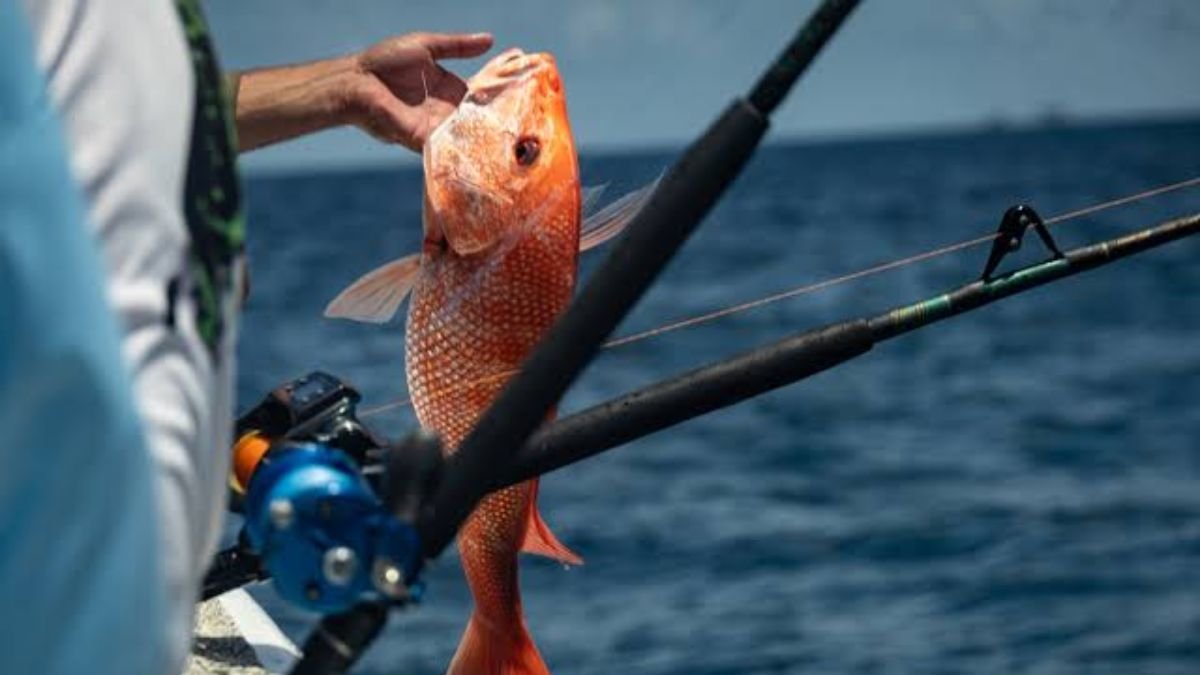
Recreational anglers in Georgia will have to continue releasing one of the state’s most frequently caught offshore fish after officials delayed the planned red snapper season.
The Georgia Department of Natural Resources announced that the recreational red snapper season, originally scheduled to begin on July 1, will not open as planned.
Last year, Georgia’s recreational red snapper season lasted only two days. This year, state officials had planned to expand that short window into a two-month season covering July and August. However, a federal judge’s decision halted the plan before it could begin, leaving the future of the season uncertain.
Local Bait Shops Expected a Busy Season
In St. Marys, Knucklehead’s Bait and Tackle owner Jerre Brumbelow said many people in the fishing community believe the current rules need to change because red snapper are plentiful offshore.
Brumbelow said he does not always get out on the water during red snapper season himself, but his shop typically sees strong traffic from charter captains and recreational anglers preparing for trips.
He said local businesses were expecting extra sales after learning Georgia might have a two-month recreational red snapper season. One nearby bait shop owner had even planned a grand opening around the season, but now faces uncertainty about when to open and how to generate business.
Georgia DNR Withdraws Permit Request
The Georgia Department of Natural Resources said the planned season extension has been delayed and that the state has withdrawn its permit request.
The delay follows legal action tied to concerns over how expanded recreational fishing days could affect the red snapper population and access to the fish.
Commercial Fishing Group Raises Concerns
The Southeastern Fisheries Association, which represents the commercial fishing industry, filed a lawsuit over the expanded recreational season.
Captain Bob Zales of the association said a restricted resource cannot be managed with unrestricted access. He argued that expanding recreational fishing days without proper limits could create problems for sustainability.
Zales said one of the group’s main concerns is making sure consumers can still buy fresh red snapper at stores and restaurants.
Both Sides Want a Sustainable Plan
Zales said the association is willing to work with the State of Georgia to create a recreational season that balances the needs of anglers, charter operators, commercial fishermen and consumers.
He said the goal should be a sustainable fishery that remains healthy and available to everyone who depends on it.
Charter Captains Left in Limbo
Brumbelow said his biggest concern is not only for his own tackle shop, but also for charter captains along the coast.
He said many captains from Georgia down toward Key West were preparing to book red snapper trips, and the delay has created major frustration for those who planned around the expected season.
DNR Hopes for Fall Season
Georgia DNR said it plans to file another permit request in hopes of creating some type of recreational red snapper season this fall.
For now, anglers must continue releasing red snapper while state officials, commercial fishing interests and federal regulators work through the next steps.
Georgia’s planned two-month recreational red snapper season has been delayed after a federal court decision and the withdrawal of the state’s permit request. The move has disappointed recreational anglers, bait shops and charter captains who expected a busy summer season. State officials now hope to pursue another permit that could allow some form of red snapper fishing later this fall.
Search Continues for Possible Drowning Victim at Lake Hartwell
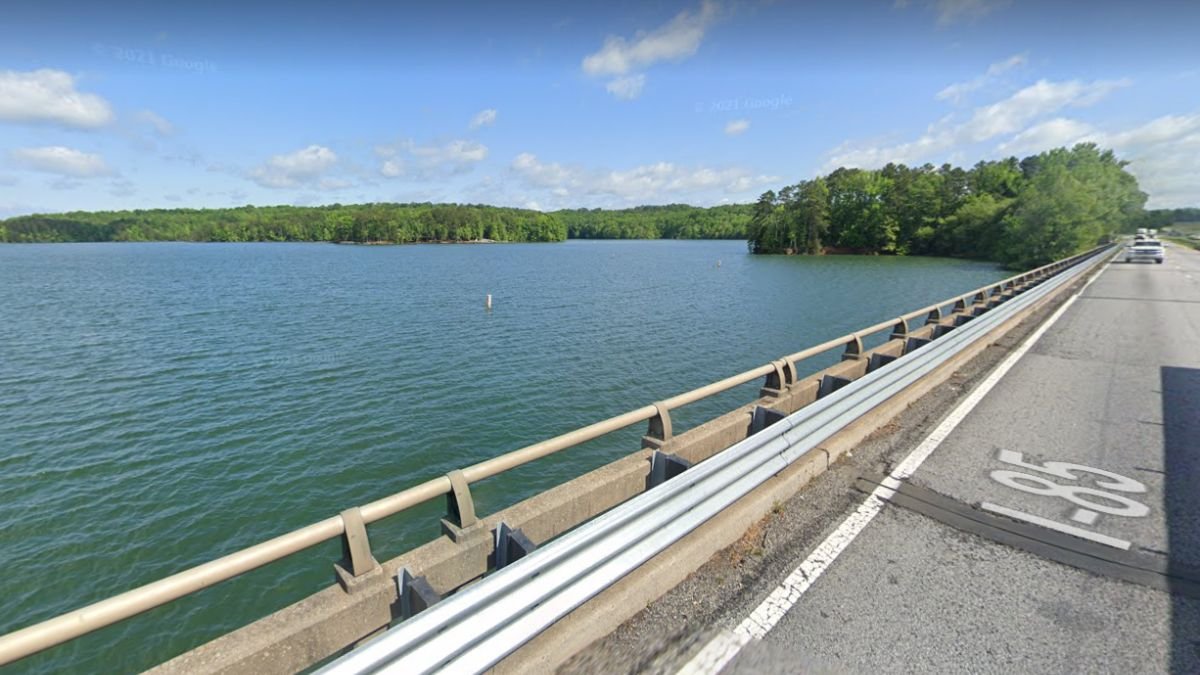
Authorities in Hart County, Georgia, continued searching Sunday for a male believed to have drowned in Lake Hartwell after an incident reported Saturday evening near the end of Ridge Road.
The search has focused on the area near the Mega Ramp, where emergency crews were first called.
911 Call Reported Possible Drowning
The Hart County Sheriff’s Office said Hart County 911 received a call shortly before 6 p.m. Saturday about a possible drowning on Lake Hartwell.
Deputies responded to the scene along with Hart County EMS, the Hart County Emergency Management Agency, and the Georgia Department of Natural Resources. The Elbert County Emergency Management Agency also joined the search effort.
Crews Use Sonar Technology
Officials said search teams spent Saturday evening checking the area with boats equipped with sonar technology.
Vessels from the Hart County Sheriff’s Office, Hart County EMA, Elbert County EMA, and Georgia DNR were involved in the operation as crews worked to locate the missing person.
Search efforts resumed Sunday morning, with authorities continuing to use boat-mounted sonar and other available resources.
Boaters Asked to Avoid Search Area
The sheriff’s office is asking anyone on the water near the Mega Ramp to use caution and stay away from emergency boats and flashing lights.
Officials said keeping a safe distance will help search crews operate safely and effectively while the recovery effort continues.
Victim’s Identity Not Released
Authorities have not released the identity or age of the possible drowning victim.
Officials have also not confirmed what circumstances led to the reported drowning.
Sheriff Chris Carroll said authorities are keeping the victim’s family in their thoughts as the search continues.
Emergency crews remain active on Lake Hartwell as they search for a possible drowning victim near the Mega Ramp in Hart County. Multiple agencies are assisting with sonar-equipped boats and other resources, while officials continue urging boaters to avoid the search area. Details about the victim and the circumstances of the incident have not yet been released.
Georgia Officials Warn Invasive 4-Foot Lizards Pose Threat to Native Wildlife
Wildlife officials in Georgia are warning residents about a large invasive lizard that could pose a serious threat to native animals.
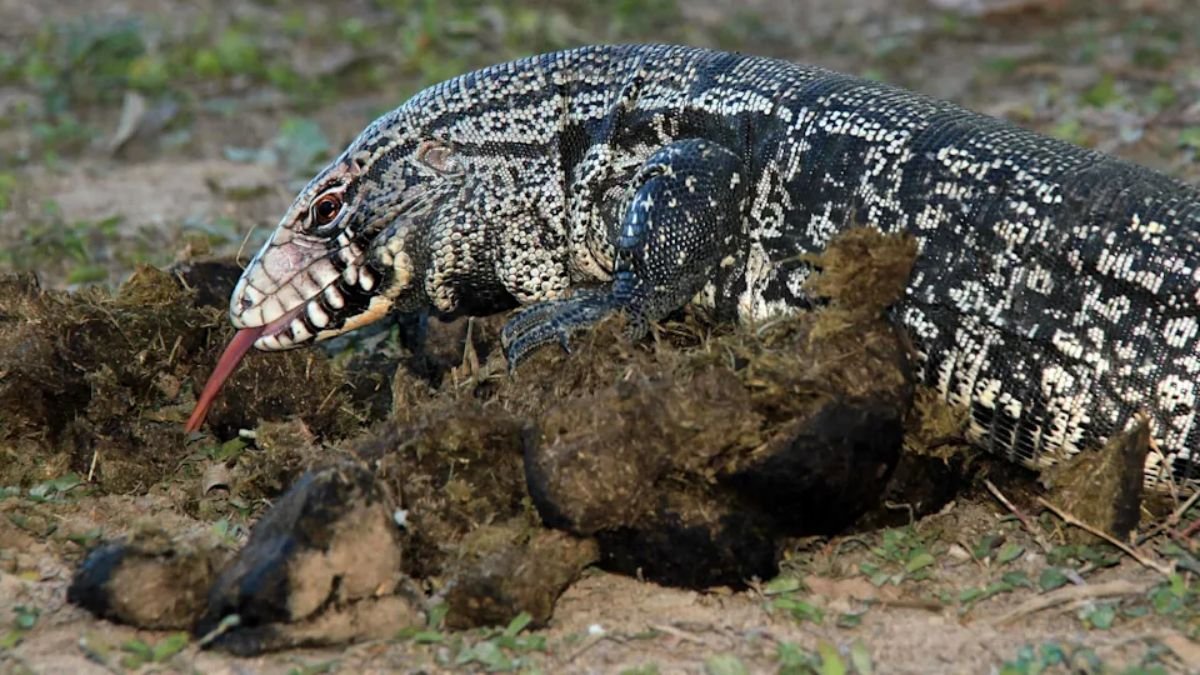
The Argentine black and white tegu, a South American reptile, has been identified by the Georgia Department of Natural Resources Wildlife Resources Division as an invasive species. Officials say the lizard is especially concerning because of its appetite, adaptability and potential impact on Georgia’s wildlife.
What Is the Argentine Black and White Tegu?
The Argentine black and white tegu is the largest species of tegu. Adults can grow to about 4 feet long and weigh more than 10 pounds, though many of the tegus spotted in Georgia have been closer to 2 feet in length.
These reptiles are known for their dark gray or black skin, with white speckled bands running across the back and tail. Because of their appearance, some people have mistaken them for juvenile alligators, broadhead skinks or eastern fence lizards.
The species is native to Brazil, Paraguay, Uruguay and Argentina.
Where Tegus Live and How They Move
Argentine black and white tegus are active during the day and are often found in mixed grasslands, woodlands and disturbed areas such as forest openings, fence lines and roadsides.
Although they spend most of their time on land and can move quickly, they are also strong swimmers. They can remain underwater for long periods, which helps them survive in different types of environments.
Why Wildlife Officials Are Worried
One major reason Georgia officials are concerned is the tegu’s diet. These lizards eat the eggs of ground-nesting birds, including quail and turkeys. They also prey on other reptiles and can eat alligator eggs and hatchling gopher tortoises.
Their diet is not limited to wildlife. Tegus also eat fruits, vegetables, grasshoppers, carrion, chicken eggs and even pet food near homes and farms.
Because they eat such a wide variety of foods, they can adapt quickly and find plenty of meals in new habitats.
How Tegus May Have Reached Georgia
Officials do not know exactly how the lizards first arrived in Georgia. However, Argentine black and white tegus are popular in the pet trade, so authorities believe some may have escaped captivity or been intentionally released.
The main established wild population in Georgia is currently found in Toombs and Tattnall counties. Additional sightings have also been reported in other parts of the state.
The Georgia DNR began investigating reports of tegus in 2018, focusing first on eastern Toombs County and western Tattnall County.
Breeding Populations Also Exist in Florida
Georgia is not the only state dealing with this invasive reptile. Breeding populations of Argentine black and white tegus have already been established in several Florida counties, including Hillsborough, St. Lucie, Charlotte and Miami-Dade.
Research suggests that much of the southern United States may have temperatures suitable for the species, increasing concerns that the lizard could spread farther.
Tegus Can Multiply Quickly
Argentine black and white tegus have few natural predators in Georgia, which makes population growth harder to control.
Females can begin reproducing when they reach about 12 inches long or after their second season of brumation. A single female can lay about 35 eggs per year, allowing populations to expand rapidly if left unmanaged.
Possible Disease and Crop Concerns
In addition to threatening native wildlife, tegus may also carry exotic parasites that could affect local species.
Some research on black and white tegu populations has found strains of Salmonella bacteria. Salmonella can cause gastrointestinal illness in people, especially children, older adults and those with weakened immune systems.
Reptiles often carry Salmonella without showing symptoms, which makes safe handling and public awareness important. Officials have also raised concerns that tegus could contribute to bacterial contamination of crops.
Are Tegus Dangerous to People or Pets?
Despite their size, Argentine black and white tegus are not generally considered aggressive toward humans.
However, they should still be treated with caution. They can move quickly, have sharp claws and teeth, and may lash out with their tails if they feel threatened.
Officials do not consider them a major danger to pet cats or dogs, but residents are still encouraged to avoid handling them.
Georgia’s Efforts to Control Tegus
Argentine black and white tegus cannot be imported or bred in Georgia.
The Georgia DNR is working with partners to trap the lizards in areas where they are known to be established. Captured tegus are humanely euthanized, and officials document their diet and reproductive status to better understand the population.
In other parts of the state, officials ask the public to report sightings. When possible, DNR may provide a live trap and instructions with permission from the landowner.
Because tegus are non-native, residents may also humanely remove them on private property with the landowner’s permission, as long as they follow legal methods, local ordinances and safety precautions.
The spread of the Argentine black and white tegu in Georgia has become a serious concern for wildlife officials. With its large size, flexible diet, fast reproduction and potential to harm native species, the invasive lizard poses a growing challenge. Officials are urging residents to report sightings and help prevent the reptile from spreading further across the state.
Missing Girl Rescued After Man Travels From Georgia to Meet Her, Lake County Detectives Say
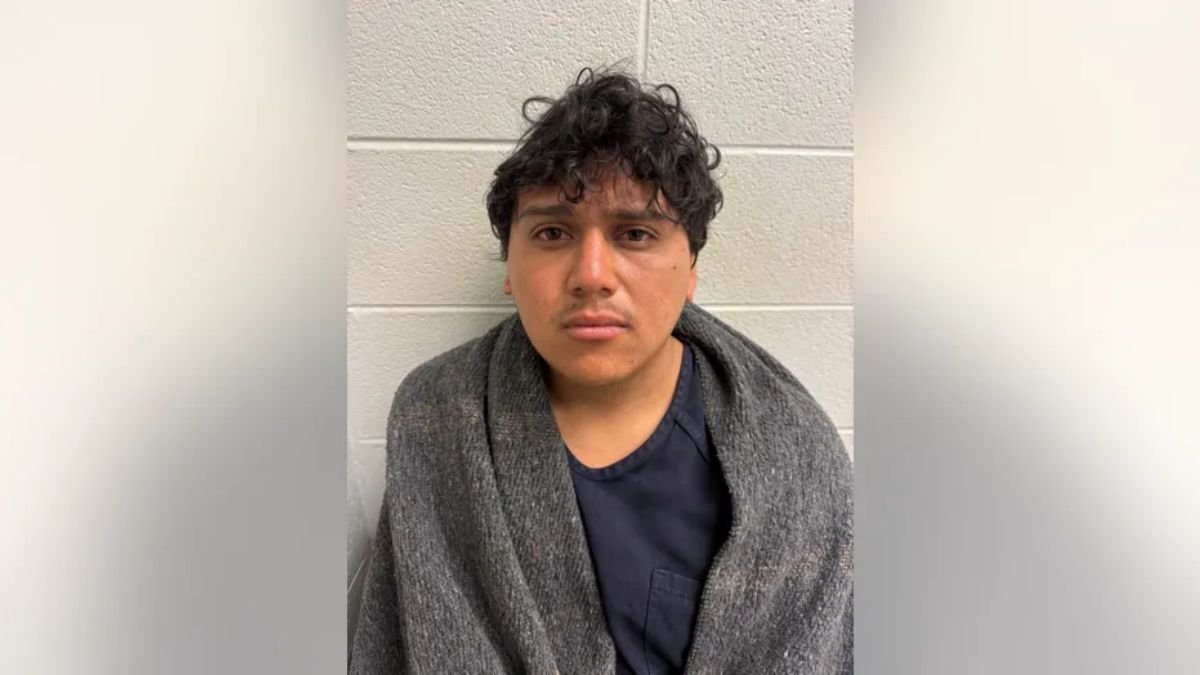
A Georgia man was arrested Saturday night after authorities said he traveled to Illinois to meet with a child reported missing from the Gurnee area.
Jordy Alexis Fuerte Perez, 24, of Norcross, Georgia, has been charged with two counts of solicitation of child pornography and one count of unlawful possession of a controlled substance. The Lake County Sheriff’s Office said more charges may be filed as the investigation continues.
Missing Girl Reported in Unincorporated Gurnee
Deputies were called around 4:40 a.m. on June 20 after receiving a report that a girl under the age of 14 was missing from unincorporated Gurnee.
Authorities said deputies were told the child had never run away before. Detectives responded to the scene and began investigating, but the girl could not be found immediately because her phone was not working.
Investigators Say Suspect Had Been Communicating With Child
During the investigation, detectives said they discovered that Fuerte Perez had previously been communicating with the girl.
Authorities alleged that he had planned to drive from Georgia to pick her up. Investigators also said Fuerte Perez had told the child he wanted a romantic relationship with her.
Public Safety Cameras Help Locate Vehicle
Investigators used public safety cameras to help track the vehicle. Authorities later located it at a forest preserve near Libertyville.
Detectives said the child and Fuerte Perez were found around 6 p.m. inside the vehicle in a parking lot.
Child Found Physically Safe
Authorities said the child appeared to be physically unharmed. She was taken to the Lake County Children’s Advocacy Center for specialized care and support.
Fuerte Perez was taken into custody at the Lake County Sheriff’s Office Criminal Investigations Division.
Sheriff Calls Case a Parent’s Worst Nightmare
Lake County Sheriff John D. Idleburg described the case as the kind of situation every parent fears most.
He said that although the child may face a long process of recovery and healing, he was thankful she was found safe and appeared physically okay.
Court Appearance and Detention Request
Fuerte Perez was scheduled to appear in court on June 21.
The Lake County State’s Attorney’s Office said it plans to file a petition seeking to keep him detained while he awaits trial.
The arrest of Jordy Alexis Fuerte Perez followed an urgent missing-child investigation in unincorporated Gurnee. Authorities said detectives tracked the case from early morning reports to a forest preserve near Libertyville, where the child was found physically safe. Investigators say additional charges may still be possible as the case moves forward.