These GA Cities Report the Most Unsafe Drinking Water Conditions, According to Data
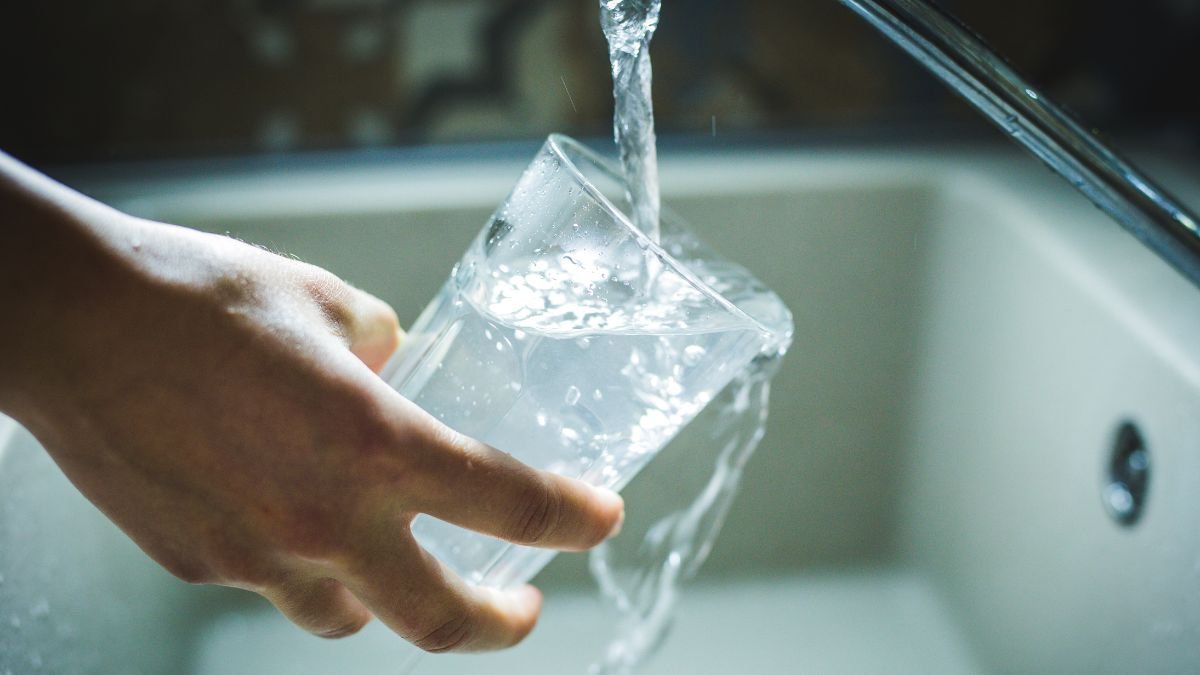
Georgia’s tap water is generally considered safe to drink, though water quality can vary depending on where residents live in the state.
A 2026 report from PurityMap, an independent data-focused advocacy platform, rated Georgia’s drinking water slightly above the national average. However, the report also found that contaminants in several major cities may still be a concern for some residents.
The national average water quality score is 77.9, which is eight points lower than Georgia’s rating. Among the cities reviewed, Savannah had the cleanest testing results, while Atlanta ranked the lowest.
What Makes Drinking Water “Unclean”?
One of the biggest concerns in Georgia’s water data involves PFAS, also known as per- and polyfluoroalkyl substances.
PFAS are often called “forever chemicals” because they do not easily break down in the environment and are difficult to destroy. These synthetic chemicals are used in products designed to resist water, heat and stains.
According to the American Association for the Advancement of Science, PFAS can persist in the environment for long periods, making contamination difficult to manage.
Why PFAS Matter
PFAS exposure has raised health concerns because certain compounds have been linked to serious conditions.
Exposure to PFOA has been associated with kidney cancer, testicular cancer, liver damage, high cholesterol, thyroid disease, reduced fertility and pregnancy complications.
Most people in the United States have at least one type of PFAS in their blood. There is no treatment for PFAS exposure, and blood testing cannot clearly predict whether a person’s health has already been affected or may be affected in the future.
Common contamination sources include industrial sites, landfills where PFAS have entered groundwater, and areas where PFAS-based firefighting foam has been used, including airports and military facilities.
What Georgia Water Data Shows
PurityMap reviewed nine Georgia water systems serving about 1.6 million people.
The state received a B grade, placing Georgia in the middle range for drinking water quality and cleanliness.
The cities analyzed were Athens, Atlanta, Augusta, Columbus, Macon, Roswell, Sandy Springs, Savannah and Warner Robins.
As of 2026, all nine cities meet basic EPA federal drinking water standards. However, legal compliance does not always mean the water is free from health-related concerns.
EPA Standards vs. Health Guidelines
A study by Echowater, a health, wellness and water purification brand, found that some Georgia cities have notable differences between what is legally allowed in drinking water and what newer health-based standards may consider safer.
The Environmental Working Group sets its own recommended limits for drinking water contaminants, and those limits are often much stricter than the EPA’s Maximum Contaminant Levels.
EPA standards are legal limits, while EWG guidelines are health-focused benchmarks. EPA limits are enforceable, but some have not been updated for many contaminants in decades. EWG guidelines often reflect newer cancer risk research and epidemiological data.
Neither framework is the only definitive standard. They measure water safety and health risk from different perspectives.
Georgia City Water Rankings
All nine Georgia cities studied rely on surface water sources, including the Chattahoochee, Savannah and Ocmulgee rivers.
Lead levels across the cities averaged below the EPA action level of 15 parts per billion, though older homes with aging plumbing may still test higher.
The cities ranked from worst to best were Atlanta and Sandy Springs tied for the lowest score, followed by Augusta, Savannah, Columbus, Macon, Athens, Roswell and Warner Robins.
Columbus Water Data
Columbus meets all EPA drinking water standards.
The city received a Purity score of 82 out of 100. Its water hardness was measured at 1.8 grains per gallon, and no PFAS were detected.
The data also found a moderate chlorine level, which remains within EPA limits but may affect taste. Arsenic was approaching the limit at 0.2 mg/L.
Macon Water Data
Macon also meets all EPA standards.
The city received a Purity score of 82 out of 100, with water hardness measured at 3.2 grains per gallon. No PFAS were detected.
Like Columbus, Macon showed moderate chlorine levels within EPA limits, which may influence taste.
How Residents Can Improve Tap Water Quality
While some of the findings may sound alarming, Georgia’s water is still considered safe and moderately clean overall.
Residents who remain concerned can take practical steps to improve drinking water quality at home.
A common recommendation is an under-sink reverse osmosis filtration system, though these systems can cost anywhere from $150 to $1,000, plus maintenance.
Lower-cost options are also available. According to guidance from the CDC and EPA, residents can request their utility’s annual water quality report, contact their local water provider to ask which contaminants have been detected, use a granular activated carbon filter and choose filters certified to reduce the specific contaminants found in their water.
Residents can also run cold water for a couple of minutes before drinking if water has been sitting unused in pipes.
Georgia’s tap water generally meets federal safety standards and ranks slightly above the national average, but some cities still show contamination concerns. PFAS, chlorine, arsenic, aging pipes and differences between legal limits and health-based guidelines all play a role in how clean water may feel to residents. Reviewing local water reports and using certified filters can help households make informed decisions.