Georgia Officials Warn Invasive 4-Foot Lizards Pose Threat to Native Wildlife
Wildlife officials in Georgia are warning residents about a large invasive lizard that could pose a serious threat to native animals.
The Argentine black and white tegu, a South American reptile, has been identified by the Georgia Department of Natural Resources Wildlife Resources Division as an invasive species. Officials say the lizard is especially concerning because of its appetite, adaptability and potential impact on Georgia’s wildlife.
What Is the Argentine Black and White Tegu?
The Argentine black and white tegu is the largest species of tegu. Adults can grow to about 4 feet long and weigh more than 10 pounds, though many of the tegus spotted in Georgia have been closer to 2 feet in length.
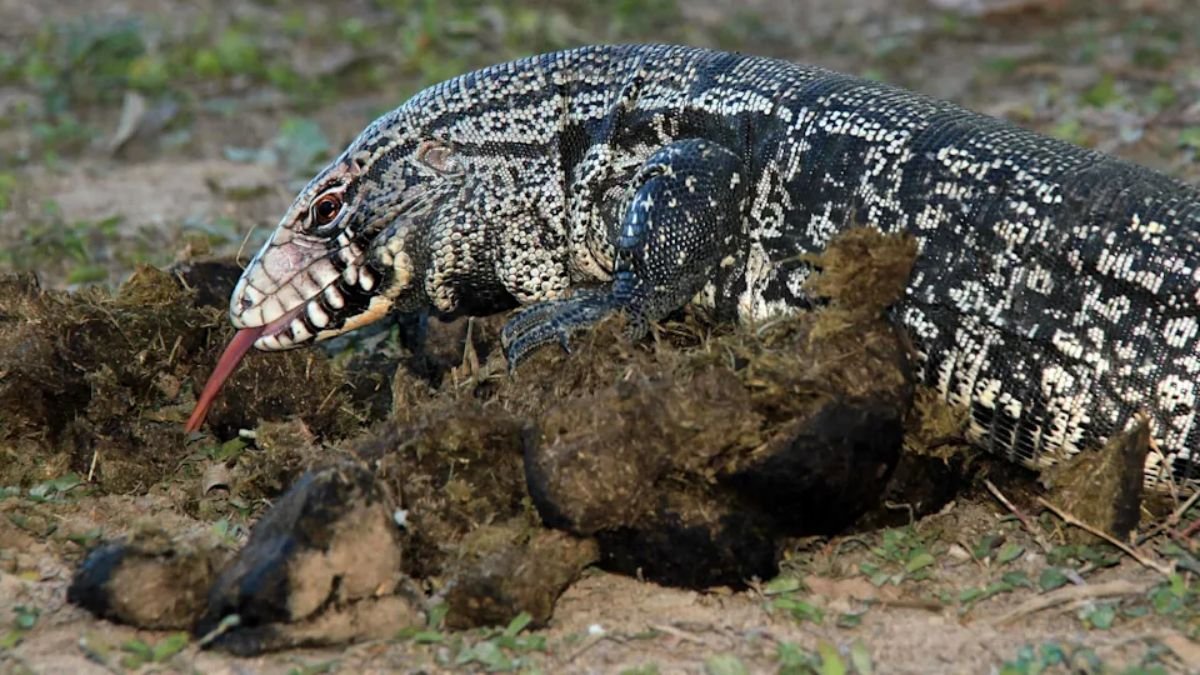
These reptiles are known for their dark gray or black skin, with white speckled bands running across the back and tail. Because of their appearance, some people have mistaken them for juvenile alligators, broadhead skinks or eastern fence lizards.
The species is native to Brazil, Paraguay, Uruguay and Argentina.
Where Tegus Live and How They Move
Argentine black and white tegus are active during the day and are often found in mixed grasslands, woodlands and disturbed areas such as forest openings, fence lines and roadsides.
Although they spend most of their time on land and can move quickly, they are also strong swimmers. They can remain underwater for long periods, which helps them survive in different types of environments.
Why Wildlife Officials Are Worried
One major reason Georgia officials are concerned is the tegu’s diet. These lizards eat the eggs of ground-nesting birds, including quail and turkeys. They also prey on other reptiles and can eat alligator eggs and hatchling gopher tortoises.
Their diet is not limited to wildlife. Tegus also eat fruits, vegetables, grasshoppers, carrion, chicken eggs and even pet food near homes and farms.
Because they eat such a wide variety of foods, they can adapt quickly and find plenty of meals in new habitats.
How Tegus May Have Reached Georgia
Officials do not know exactly how the lizards first arrived in Georgia. However, Argentine black and white tegus are popular in the pet trade, so authorities believe some may have escaped captivity or been intentionally released.
The main established wild population in Georgia is currently found in Toombs and Tattnall counties. Additional sightings have also been reported in other parts of the state.
The Georgia DNR began investigating reports of tegus in 2018, focusing first on eastern Toombs County and western Tattnall County.
Breeding Populations Also Exist in Florida
Georgia is not the only state dealing with this invasive reptile. Breeding populations of Argentine black and white tegus have already been established in several Florida counties, including Hillsborough, St. Lucie, Charlotte and Miami-Dade.
Research suggests that much of the southern United States may have temperatures suitable for the species, increasing concerns that the lizard could spread farther.
Tegus Can Multiply Quickly
Argentine black and white tegus have few natural predators in Georgia, which makes population growth harder to control.
Females can begin reproducing when they reach about 12 inches long or after their second season of brumation. A single female can lay about 35 eggs per year, allowing populations to expand rapidly if left unmanaged.
Possible Disease and Crop Concerns
In addition to threatening native wildlife, tegus may also carry exotic parasites that could affect local species.
Some research on black and white tegu populations has found strains of Salmonella bacteria. Salmonella can cause gastrointestinal illness in people, especially children, older adults and those with weakened immune systems.
Reptiles often carry Salmonella without showing symptoms, which makes safe handling and public awareness important. Officials have also raised concerns that tegus could contribute to bacterial contamination of crops.
Are Tegus Dangerous to People or Pets?
Despite their size, Argentine black and white tegus are not generally considered aggressive toward humans.
However, they should still be treated with caution. They can move quickly, have sharp claws and teeth, and may lash out with their tails if they feel threatened.
Officials do not consider them a major danger to pet cats or dogs, but residents are still encouraged to avoid handling them.
Georgia’s Efforts to Control Tegus
Argentine black and white tegus cannot be imported or bred in Georgia.
The Georgia DNR is working with partners to trap the lizards in areas where they are known to be established. Captured tegus are humanely euthanized, and officials document their diet and reproductive status to better understand the population.
In other parts of the state, officials ask the public to report sightings. When possible, DNR may provide a live trap and instructions with permission from the landowner.
Because tegus are non-native, residents may also humanely remove them on private property with the landowner’s permission, as long as they follow legal methods, local ordinances and safety precautions.
The spread of the Argentine black and white tegu in Georgia has become a serious concern for wildlife officials. With its large size, flexible diet, fast reproduction and potential to harm native species, the invasive lizard poses a growing challenge. Officials are urging residents to report sightings and help prevent the reptile from spreading further across the state.