Georgia Residents Urged to Report Invasive Yellow-Legged Hornets
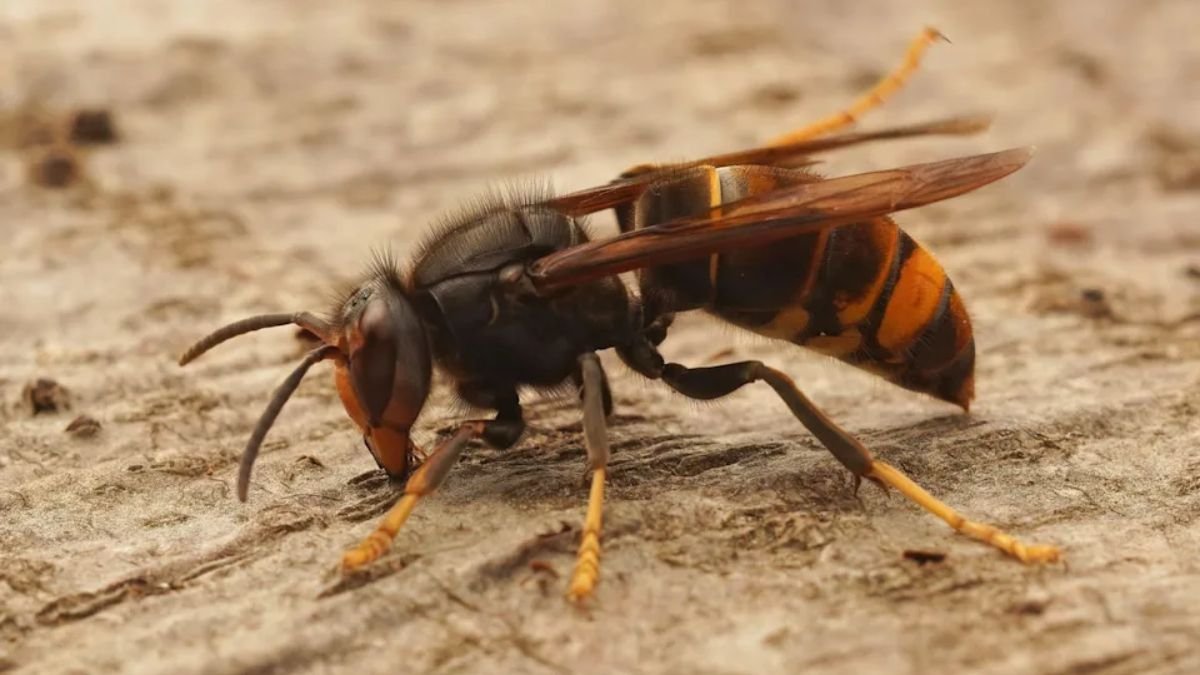
The Georgia Department of Agriculture is asking residents to remain alert for invasive yellow-legged hornets and to report any suspected nests.
Officials are warning the public not to remove nests on their own. Instead, residents should contact the state agency or a licensed pest management professional.
Counties Asked to Stay Especially Alert
Georgia Agriculture Commissioner Tyler J. Harper said residents should be especially watchful for secondary nests in several counties.
The counties include Bryan, Bulloch, Chatham, Effingham and Liberty.
State officials are continuing efforts to control and prevent the spread of the invasive species across Georgia.
Increased Activity Around Beehives
The department’s Plant Protection Division has reported increased hawking activity near beehives.
Officials said this behavior suggests that yellow-legged hornet colonies are entering their secondary nesting phase.
Hawking occurs when hornets hover near honeybee hives and attack foraging bees. This activity can pose a threat to honeybee populations and local beekeeping operations.
What Yellow-Legged Hornet Nests Look Like
According to the department, yellow-legged hornet secondary nests can grow larger than a beach ball.
Residents should look for large round or oval nests located high in trees or other elevated places. These nests are usually gray or brown and made of layered, paper-like material.
Depending on weather conditions, secondary nests may be visible from late summer through winter.
When to Watch for Hornet Activity
Georgia residents are encouraged to watch for hawking activity around beehives, especially during the morning before noon and again after 5 p.m.
Officials said these times can be important for spotting hornet activity near honeybee colonies.
What to Do if You Find a Nest
Anyone who believes they have found a yellow-legged hornet nest should not try to remove it.
Instead, residents should contact the Georgia Department of Agriculture’s Plant Protection Division at yellow.legged.hornet@agr.georgia.gov or reach out to a licensed pest management professional.
Proper removal is important to make sure the queen is eradicated and the colony does not continue spreading.
Commissioner Harper Calls for Public Help
Commissioner Harper said Georgia has made strong progress in tracking and eliminating yellow-legged hornets, but continued public support is essential.
He said the sooner a nest is found and reported, the faster state teams can respond. Harper urged Georgians to stay vigilant and help prevent the invasive species from gaining a foothold in the state.
Georgia agriculture officials are asking residents, especially in Bryan, Bulloch, Chatham, Effingham and Liberty counties, to watch for yellow-legged hornet nests and activity around beehives. Because these invasive hornets can threaten honeybees and spread quickly, residents should report suspected nests instead of attempting removal themselves.